Best National Parks for Hiking in Austria
Explore Austria’s six national parks protecting over 2,300 square kilometers of Alpine wilderness and river gorges, with outstanding hiking experiences

Anja
Published February 4, 2026
Edited March 16, 2026
7 min read
Quick links
Don't want to read all this?
We've planned 2,000+ hiking trips. Send your dates, fitness and group size — we'll map the route and book every night.



Austria protects its most exceptional landscapes through six national parks spanning Alpine peaks to lowland wetlands. These aren't merely protected areas—they're accessible hiking destinations with marked trails, mountain huts, and extraordinary wildlife viewing opportunities where conservation meets adventure.
Many of Austria's best trails pass through these parks — the Adlerweg, for example, crosses some of Tyrol's most spectacular protected terrain.
Combined, Austria's national parks preserve over 2,300 square kilometers of ecosystems ranging from glaciated 3,798-meter summits to river floodplains near Vienna. While each park maintains strict environmental protections, all welcome hikers on designated trails that showcase their unique character.
This guide presents all six Austrian national parks, from the massive Alpine wilderness of Hohe Tauern to intimate river valleys and unique steppe landscapes, helping you understand which parks match your hiking goals and how to experience them:
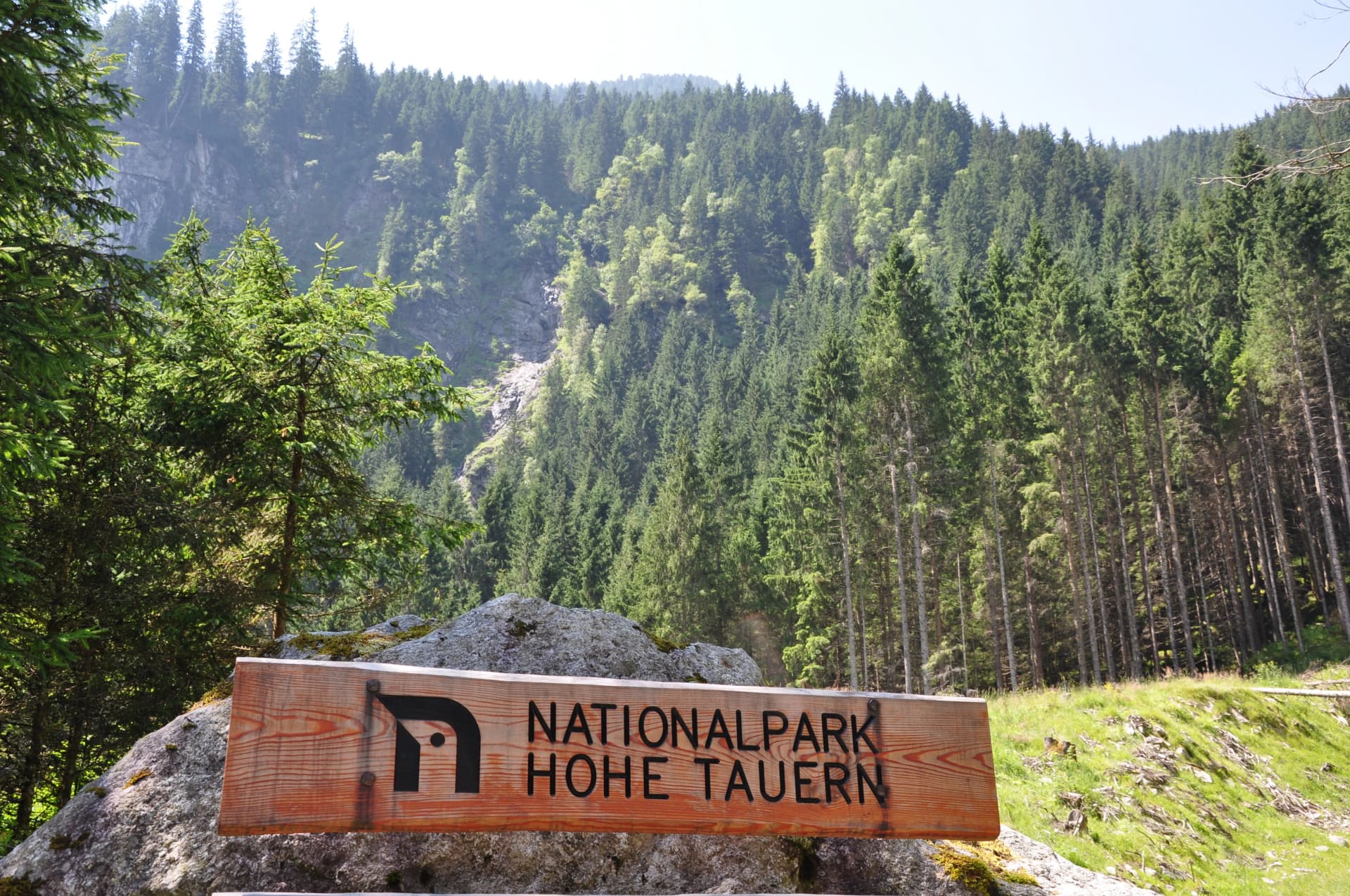
1. Hohe Tauern National Park
Key Facts:
Size: 1,856 km² (Austria's largest national park)
Established: 1981-1991
Location: Spans Carinthia, Salzburg, and Tyrol
Elevation range: 1,000m to 3,798m (Grossglockner summit)
Key features: 300+ peaks over 3,000m, extensive glaciers, Austria's highest peak
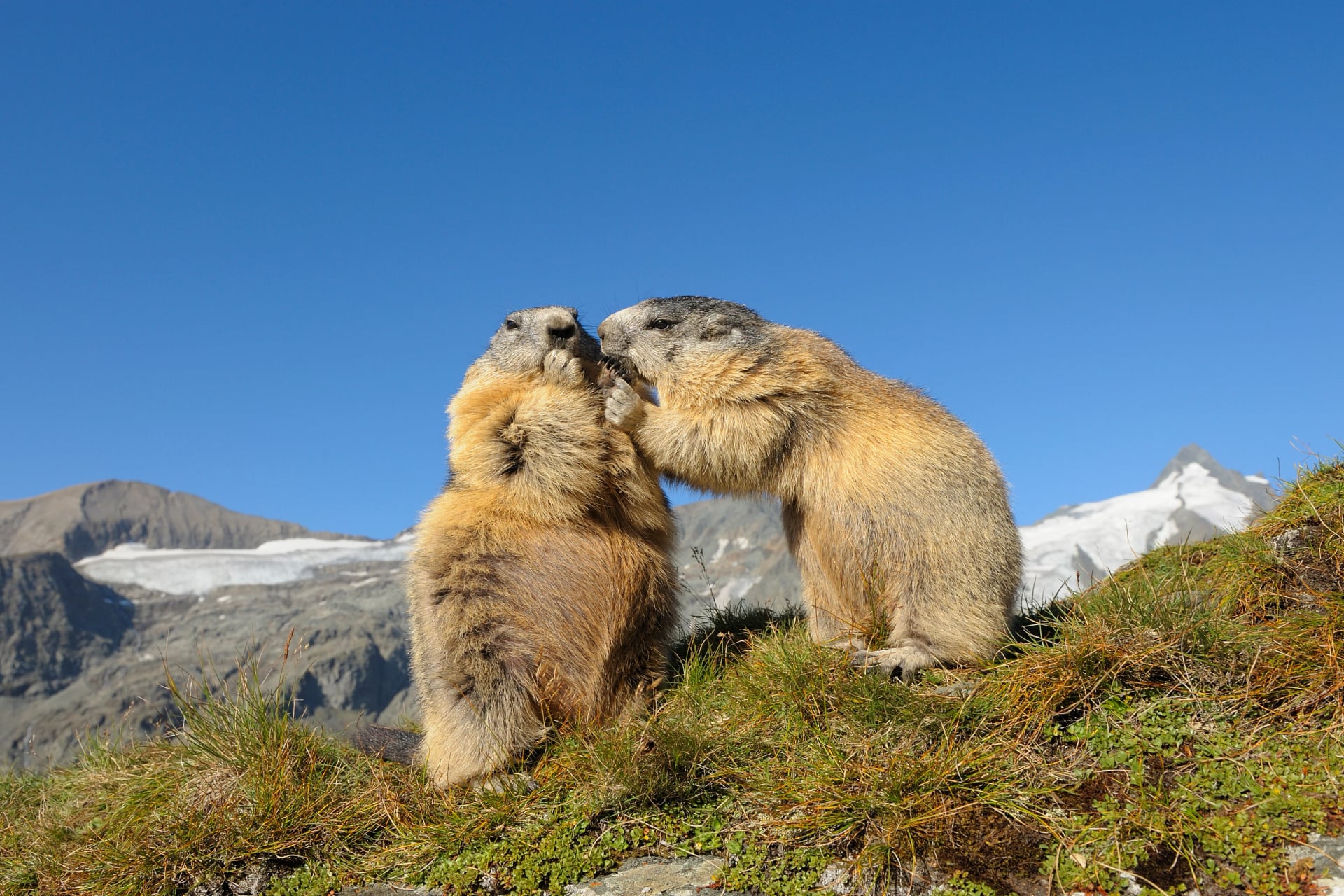
Wildlife: Chamois, ibex, golden eagles, marmots, alpine salamanders
Why Hikers Love It
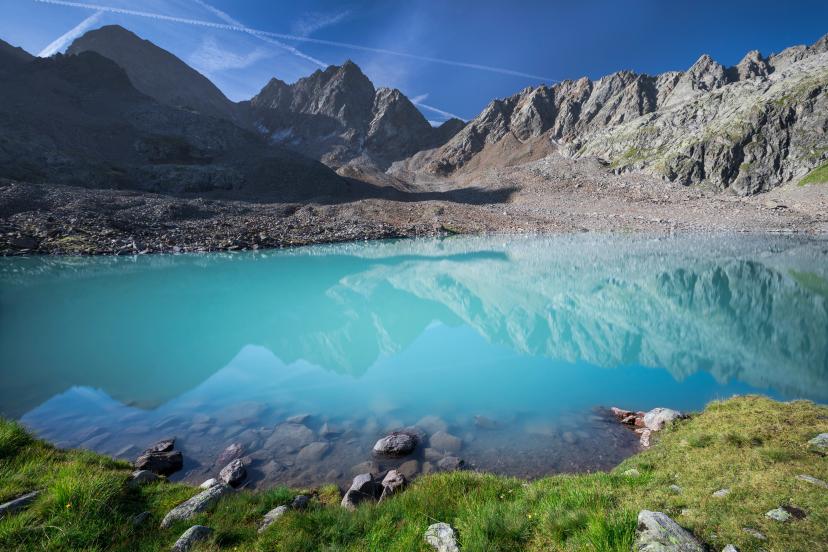
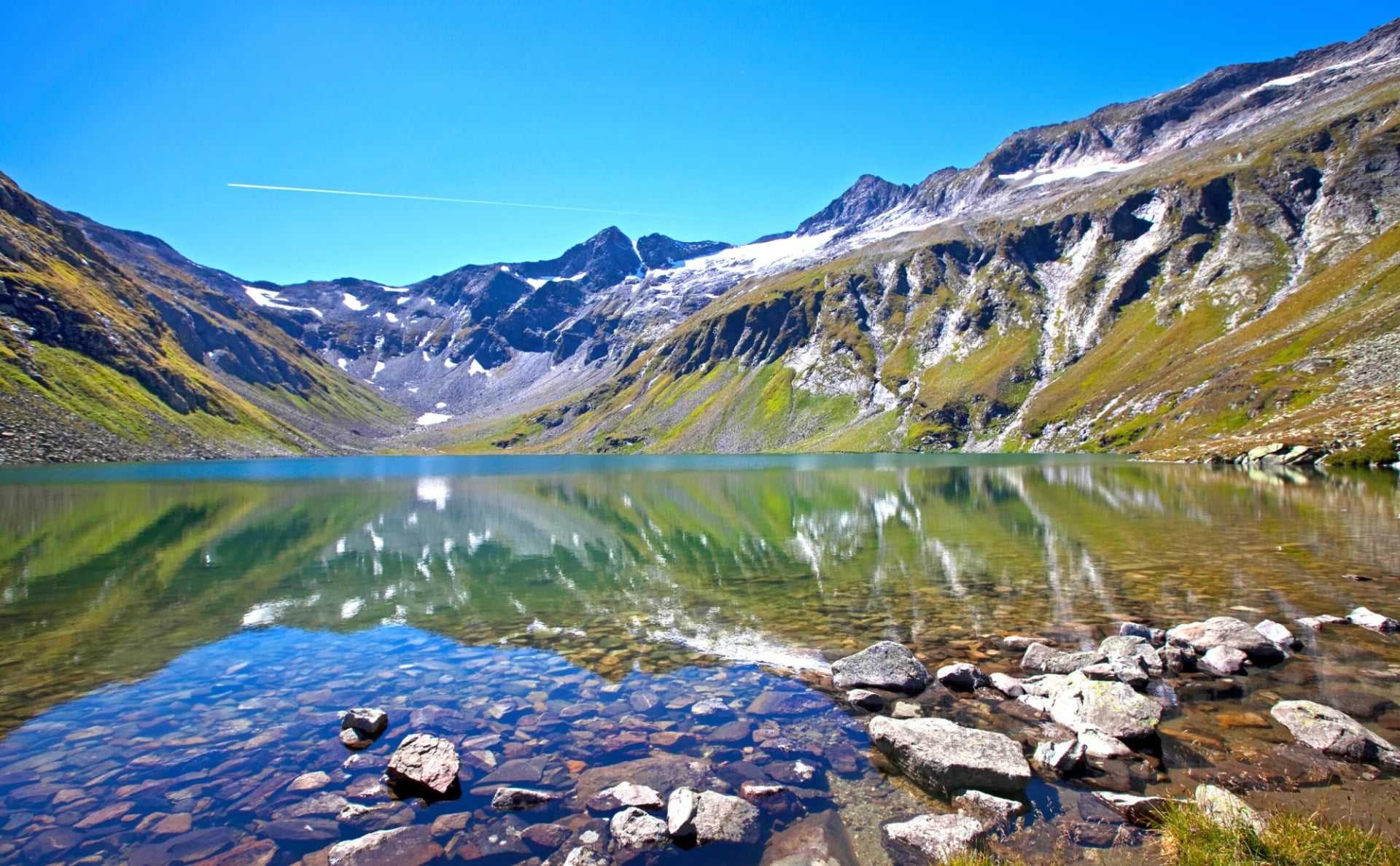
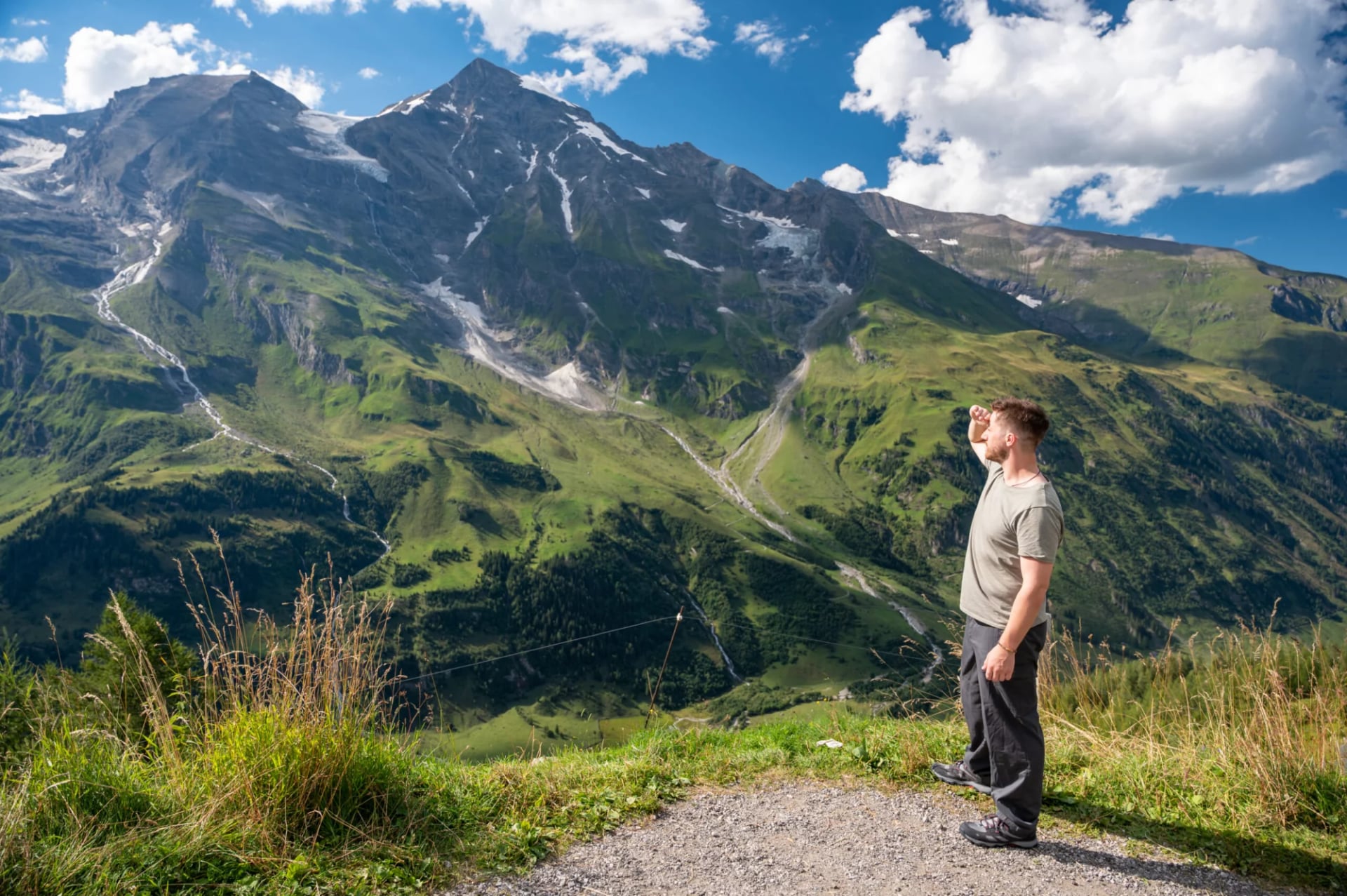
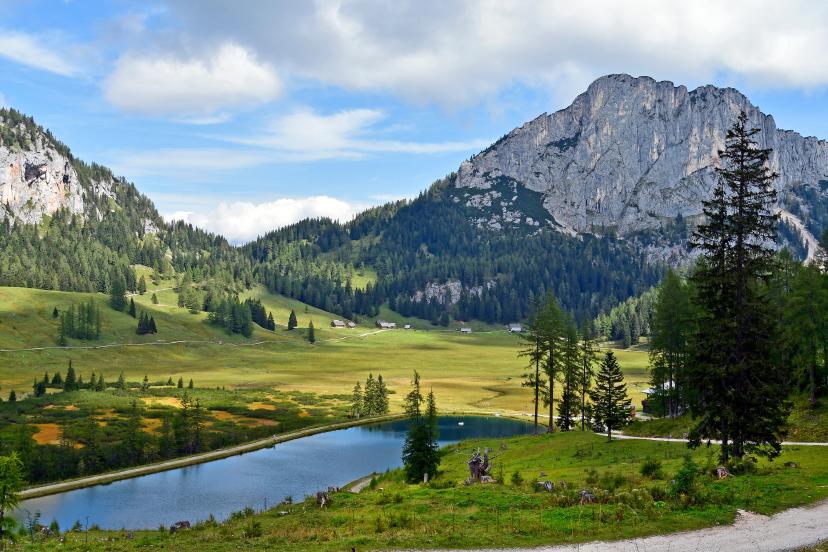
Hohe Tauern delivers Austria's most dramatic mountain scenery with glacier-covered peaks, high Alpine passes, and wilderness atmosphere unmatched elsewhere in the country. The park's extensive trail network connects mountain huts positioned in spectacular locations, making multi-day treks accessible while maintaining authentic Alpine character. Wildlife sightings are frequent—chamois and ibex on rocky slopes, marmots whistling from boulder fields, and golden eagles soaring on thermals above valleys.
Several of the park's most iconic sights also feature in our guide to the top 15 landmarks in the Austrian Alps.
Combine the following tours with a visit to this national park!
2. Gesäuse National Park
Key Facts:
Size: 125 km²
Established: 2002 (Austria's youngest national park)
Location: Styria
Elevation range: 490m to 2,369m (Hochtor)
Key features: Dramatic limestone gorges, Enns River, vertical rock walls up to 1,800m
Wildlife: Peregrine falcons, chamois, alpine salamanders, rare butterflies
Why Hikers Love It
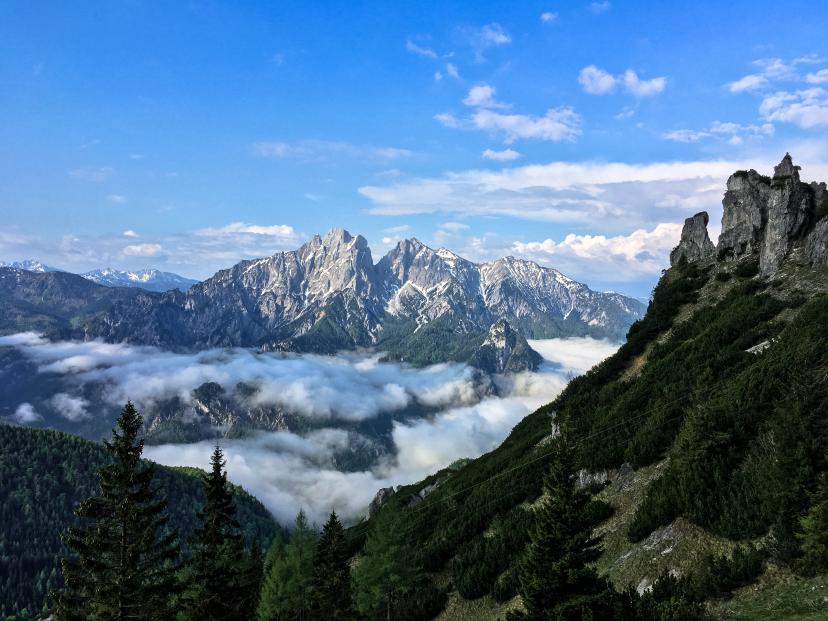
Gesäuse combines dramatic vertical scenery with accessibility from Graz and Vienna, making serious Alpine landscapes achievable for weekend trips. The limestone gorges create distinctive scenery different from the glaciated Central Alps, with pale rock walls, caves, and karst formations adding geological interest.
Via ferrata routes provide optional technical challenges for equipped hikers, while standard trails remain non-technical. The Enns River adds aquatic beauty rare in high-mountain parks, and the park's smaller size creates an intimate feeling despite impressive vertical relief.
Access: Day trips and overnight stays from Admont and surrounding Styrian towns. No specific multi-day tours currently featured.
3. Kalkalpen National Park
Key Facts:
Size: 209 km²
Established: 1997
Location: Upper Austria (Sengsengebirge and Reichraminger Hintergebirge)
Elevation range: 385m to 2,515m
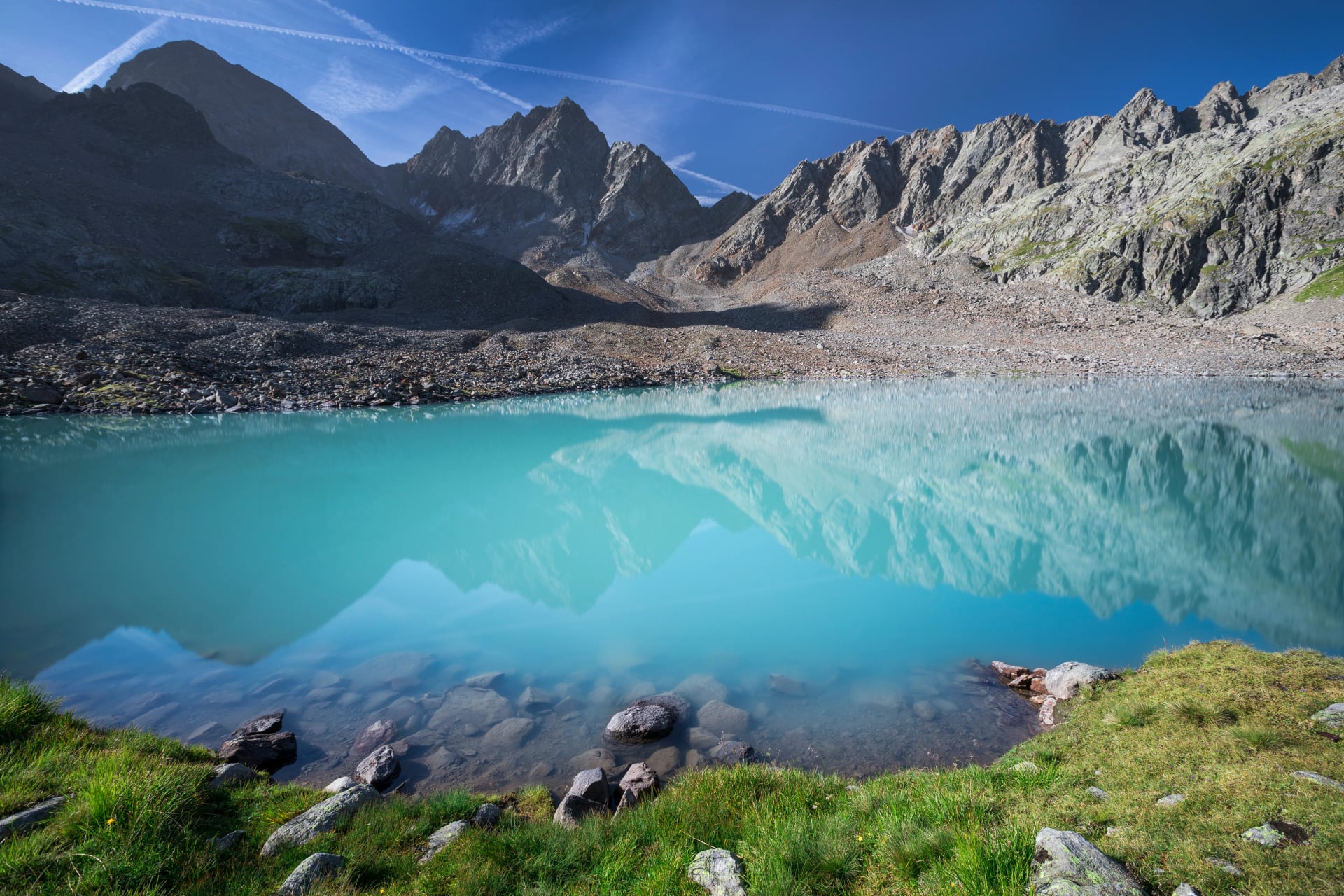
Key features: Largest contiguous forest in Central Alps, extensive cave systems, old-growth beech forests
Wildlife: Lynx (successfully reintroduced), golden eagles, capercaillie, diverse forest species
Why Hikers Love It
Kalkalpen offers genuine wilderness character increasingly rare in Central Europe, with forest hiking through old-growth stands providing different experiences from treeline-dominated Alpine parks. Wildlife spotting opportunities include lynx, golden eagles, and diverse forest species thriving in minimal human interference zones.
The cave systems add geological interest, and the park's relative obscurity compared to Hohe Tauern means quieter trails even during peak season. Trails range from easy valley walks to challenging mountain routes, accommodating varied fitness levels.
Access: Day hikes and short overnight trips from Windischgarsten, Reichraming, and surrounding Upper Austrian valleys. No specific multi-day tours currently featured.
4. Donau-Auen National Park
Key Facts:
Size: 93 km²
Established: 1996
Location: East of Vienna along the Danube River
Elevation range: 140m to 180m
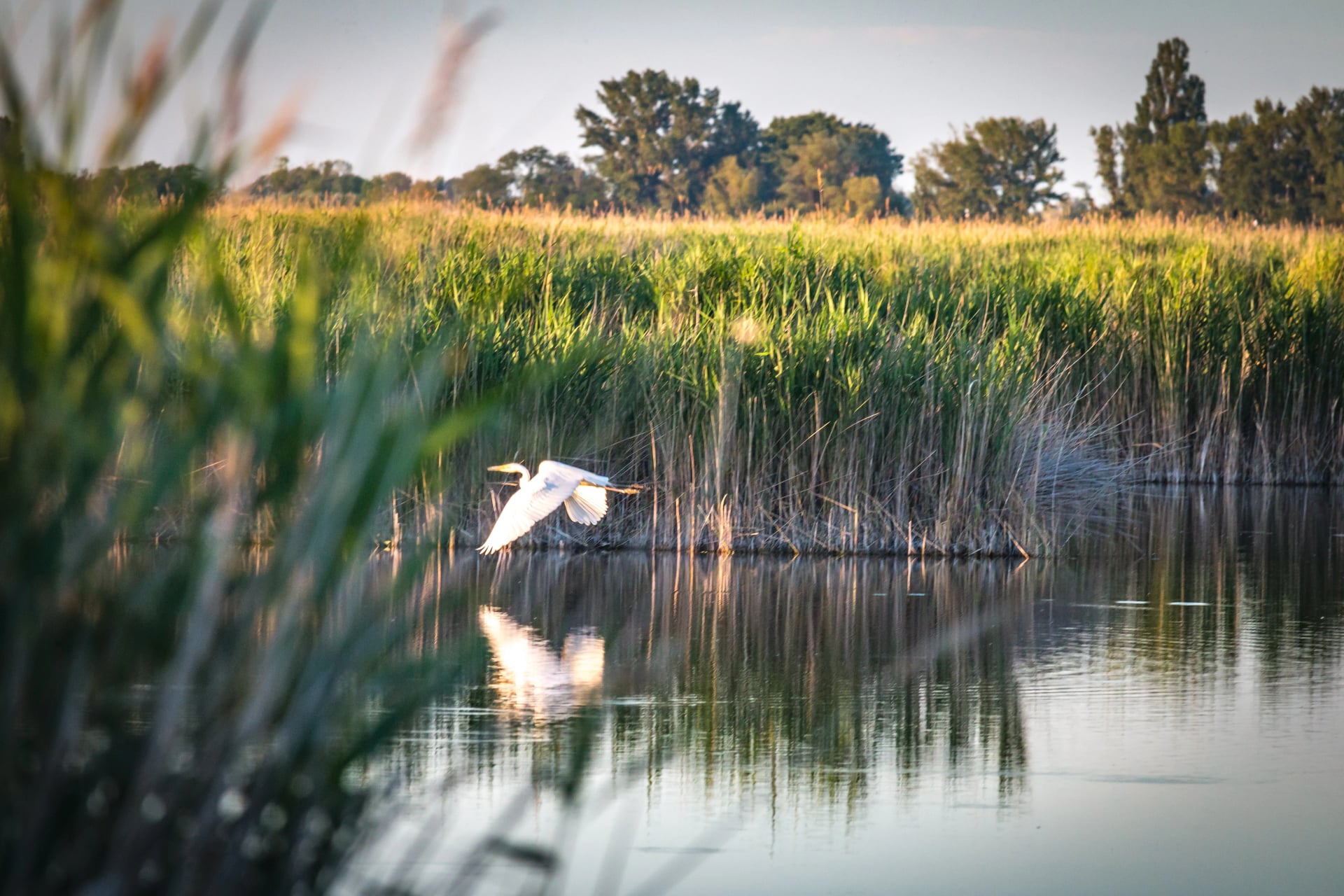
Key features: One of Central Europe's last major river floodplains, dynamic wetland ecosystems
Wildlife: 700+ plant species, 30 mammal species, 100+ breeding bird species, European pond turtle
Why Hikers Love It
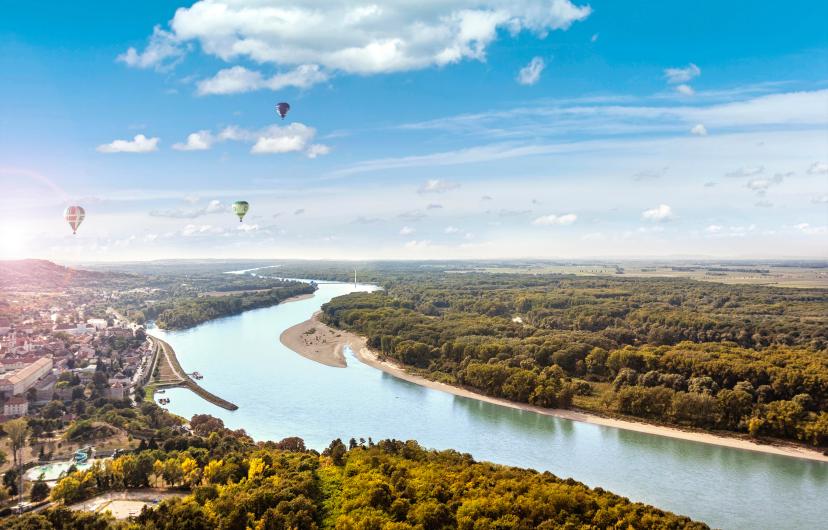
Donau-Auen provides accessible wilderness just outside Vienna's city center, making serious nature experiences achievable without Alpine travel. The flat terrain suits all fitness levels, and the riverine landscape offers unique beauty contrasting with mountain parks.
Birdwatching opportunities are exceptional, particularly during spring and fall migrations when thousands of waterfowl utilize the wetlands. The park's boat tours, boardwalks, and easy trails make it ideal for families, while the complexity of flood dynamics and ecological processes provides depth for nature enthusiasts.
Access: Day trips from Vienna via public transport or bicycle. Numerous marked trails and guided boat tours available. No multi-day trekking routes.
5. Thayatal National Park
Key Facts:
Size: 13.3 km² (Austria's smallest national park)
Established: 2000
Location: Lower Austria, Austrian-Czech border
Elevation range: 220m to 500m
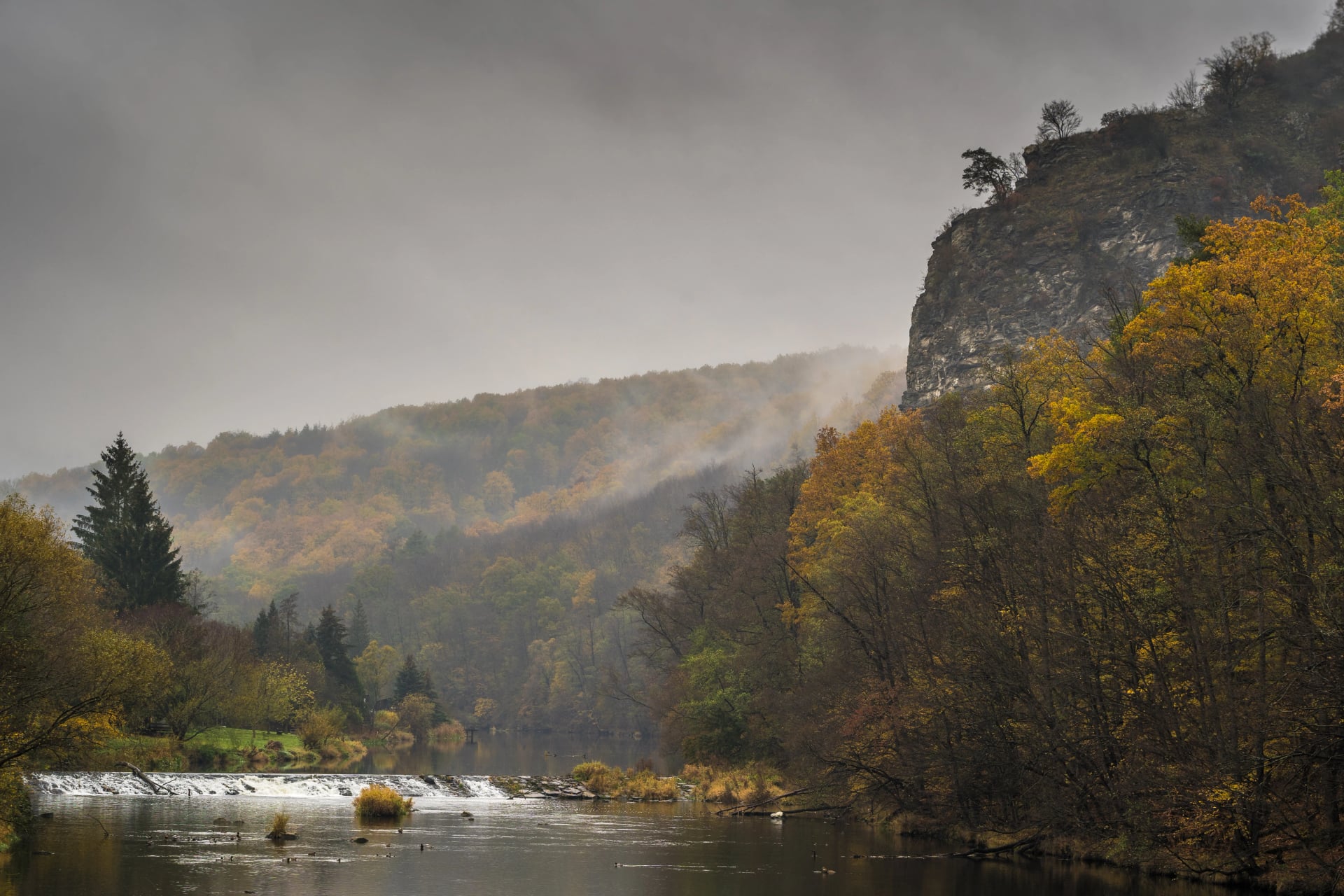
Key features: Thaya River gorge, cross-border protection with Czech Podyjí National Park
Wildlife: European wildcats, black storks, 1,300+ plant species, rare orchids
Why Hikers Love It
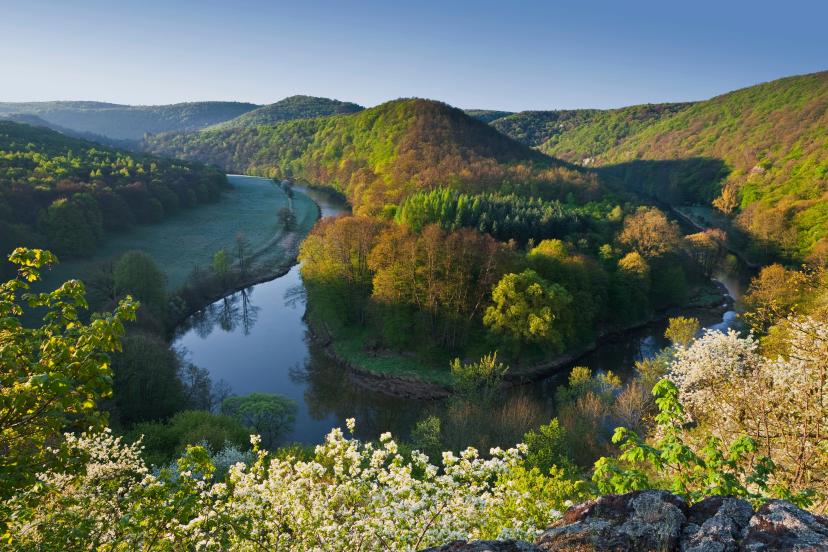
Thayatal's intimate scale makes it possible to explore thoroughly in a single day while still experiencing genuine wilderness. The river gorge scenery creates dramatic landscapes despite relatively low absolute elevations, and the cross-border trails with Czech Republic add international interest.
Wildcat spotting—while never guaranteed with these elusive animals—adds excitement to forest hiking. The park's position in Lower Austria makes it accessible from Vienna while feeling genuinely remote once you descend into the valley.
Access: Day hikes from Hardegg and surrounding Lower Austrian villages. Well-marked trail network connects with Czech trails. No multi-day routes due to park's small size.
6. Neusiedler See-Seewinkel National Park
Key Facts:
Size: 97 km²
Established: 1993 (UNESCO Biosphere Reserve 2001)
Location: Burgenland, Austrian-Hungarian border
Elevation range: 115m to 125m
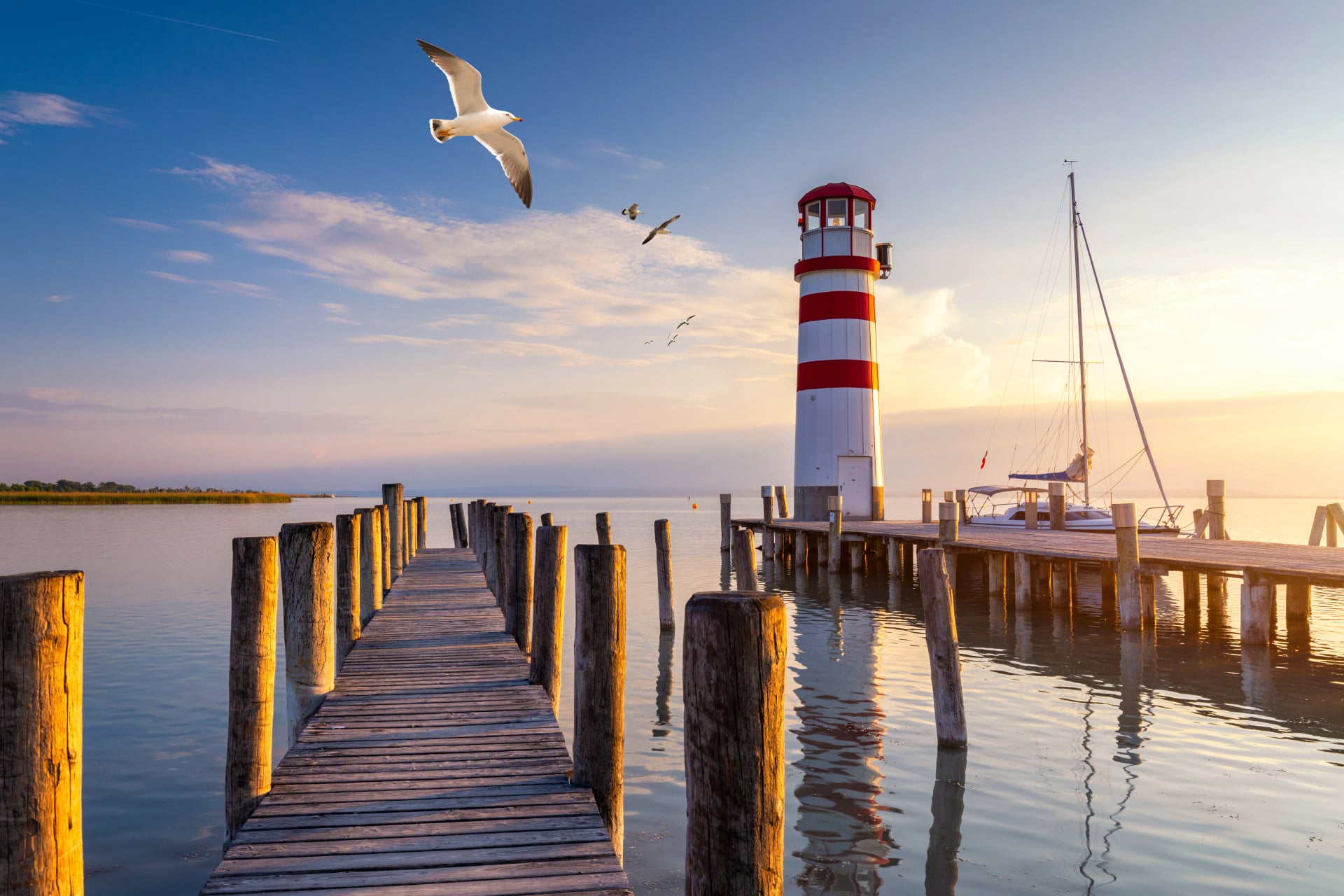
Key features: Central Europe's largest endorheic lake, steppe and salt marsh ecosystems
Wildlife: 340+ bird species, rare pannonian flora, great bustards, white storks
Why Hikers Love It
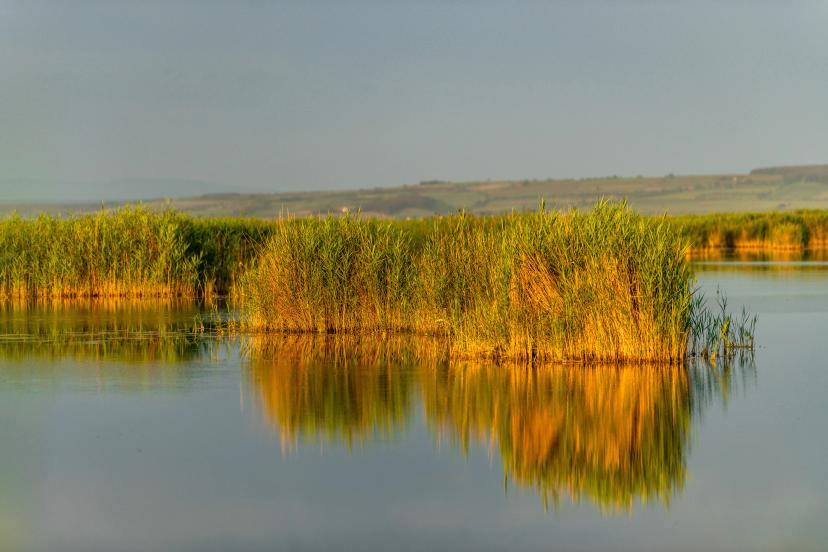
Neusiedler See offers experiences unavailable anywhere else in Austria—vast open steppe landscapes, extensive wetlands, and bird diversity rivaling anywhere in Europe. The flat terrain makes hiking accessible to literally everyone, and the combination of hiking, cycling, and wine tourism in surrounding villages creates unique cultural-natural experiences.
Spring and fall migrations bring massive bird concentrations, with species from Arctic breeders to African migrants utilizing the wetlands. The completely non-Alpine character provides perfect contrast for hikers seeking variety beyond mountain landscapes.
Access: Day trips and cycling tours from Vienna, Neusiedl am See, and Burgenland wine villages. Flat trails and cycling paths throughout. No mountain hut trekking infrastructure.
Which Park Should You Choose?
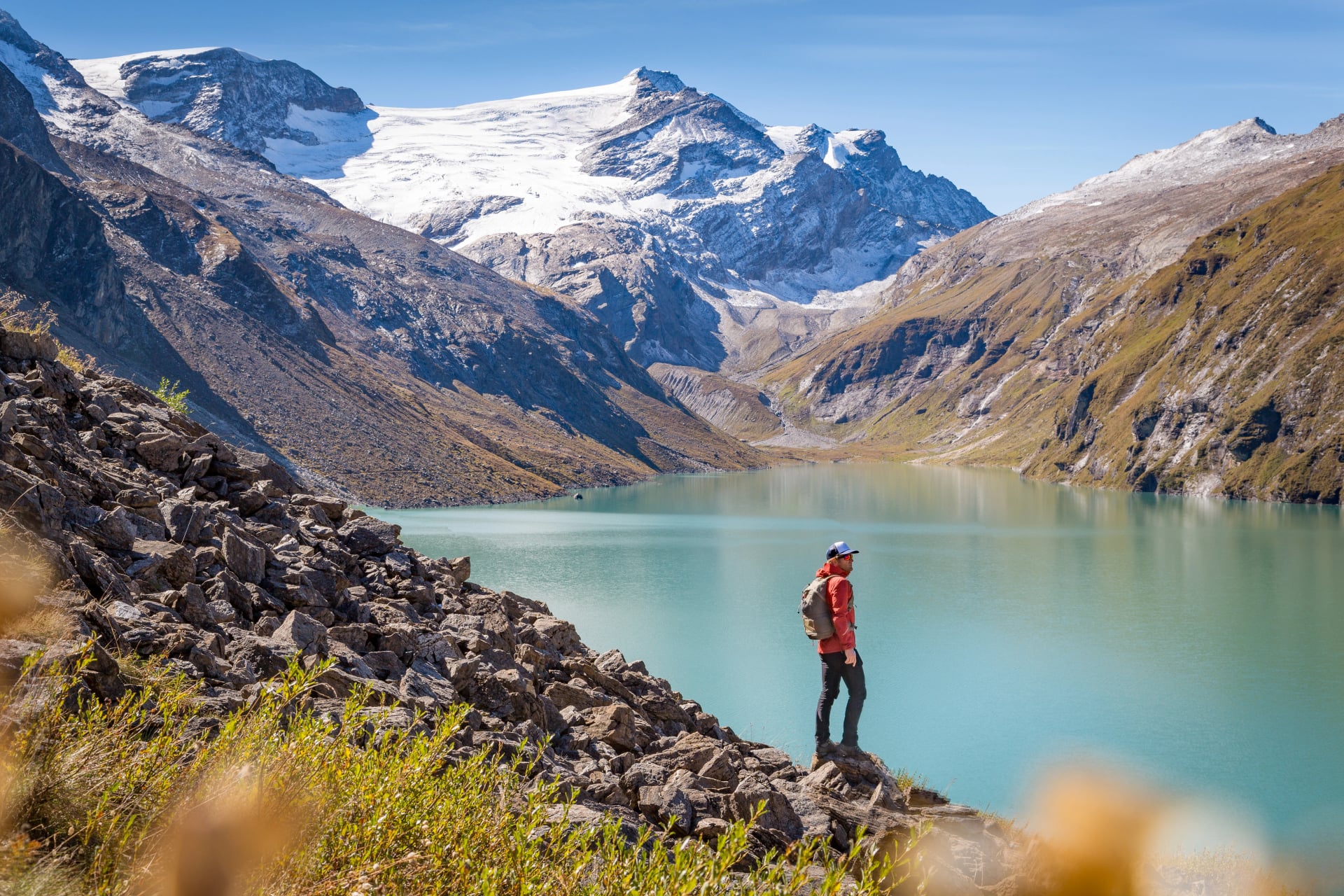
For multi-day trekkers: Hohe Tauern is the obvious choice, offering week-long routes through Austria's highest peaks with mountain hut accommodation throughout. Our Glockner Trail and Hohe Tauern tours explore the park's finest landscapes while providing the infrastructure and support that make Alpine trekking accessible and enjoyable.
For day hikers based in cities: Donau-Auen (from Vienna), Gesäuse (from Graz), and Thayatal (from Vienna or Brno) provide excellent full-day or half-day trips without requiring mountain travel. All three offer well-marked trails, visitor centers, and public transport access.
For non-mountain wilderness: Donau-Auen and Neusiedler See demonstrate that exceptional nature experiences don't require Alpine elevation. Both parks protect globally significant ecosystems while offering completely flat, accessible hiking for all fitness levels.
For weekend trips: Gesäuse, Kalkalpen, and Thayatal work well for 2-3 day explorations with overnight stays in nearby towns, combining park hiking with regional cultural experiences.
Your Next National Park Adventure
Austria's six national parks showcase remarkable ecosystem diversity—from the high Alpine wilderness of Hohe Tauern reaching nearly 4,000 meters to the steppe wetlands of Neusiedler See barely above sea level. Each park protects unique landscapes and offers distinct hiking experiences suited to different interests and fitness levels.
While most of our tours do not include routes through these protected landscapes, we can easily make a custom itinerary with an opportunity to hike any of these parks. Get in touch to discuss which national parks match your hiking style and interests and our team will make your dream Austrian park exploration come true!

About this author
Anja is our lead travel advisor and a lifelong hiker who has planned countless adventures across Europe. She prefers sunsets to sunrises — unless coffee is involved — and, ever since her first rock-climbing course, joins friends on climbing trips whenever she can.