Best Time to Hike in Austria: Your Complete Month-by-Month Guide
Plan the perfect Austrian hiking trip with this month-by-month guide to weather stability, trail access, crowds, wildflowers, autumn colors, and pricing trends.
Quick links
Don't want to read all this?
We've planned 2,000+ hiking trips. Send your dates, fitness and group size — we'll map the route and book every night.



The Austrian Alps deliver world-class hiking across a surprisingly long season, but choosing when to go shapes everything about your experience. Weather stability, trail access, wildflower blooms, autumn colors, crowd levels, and prices all shift dramatically from month to month.
Most first-time visitors gravitate toward July and August because these months feel safest—guaranteed warm weather, full services, and maximum daylight. But experienced Alpine hikers often swear by different windows. June's wildflower explosion, September's golden light and empty trails, or even late May's valley awakening each have passionate advocates.
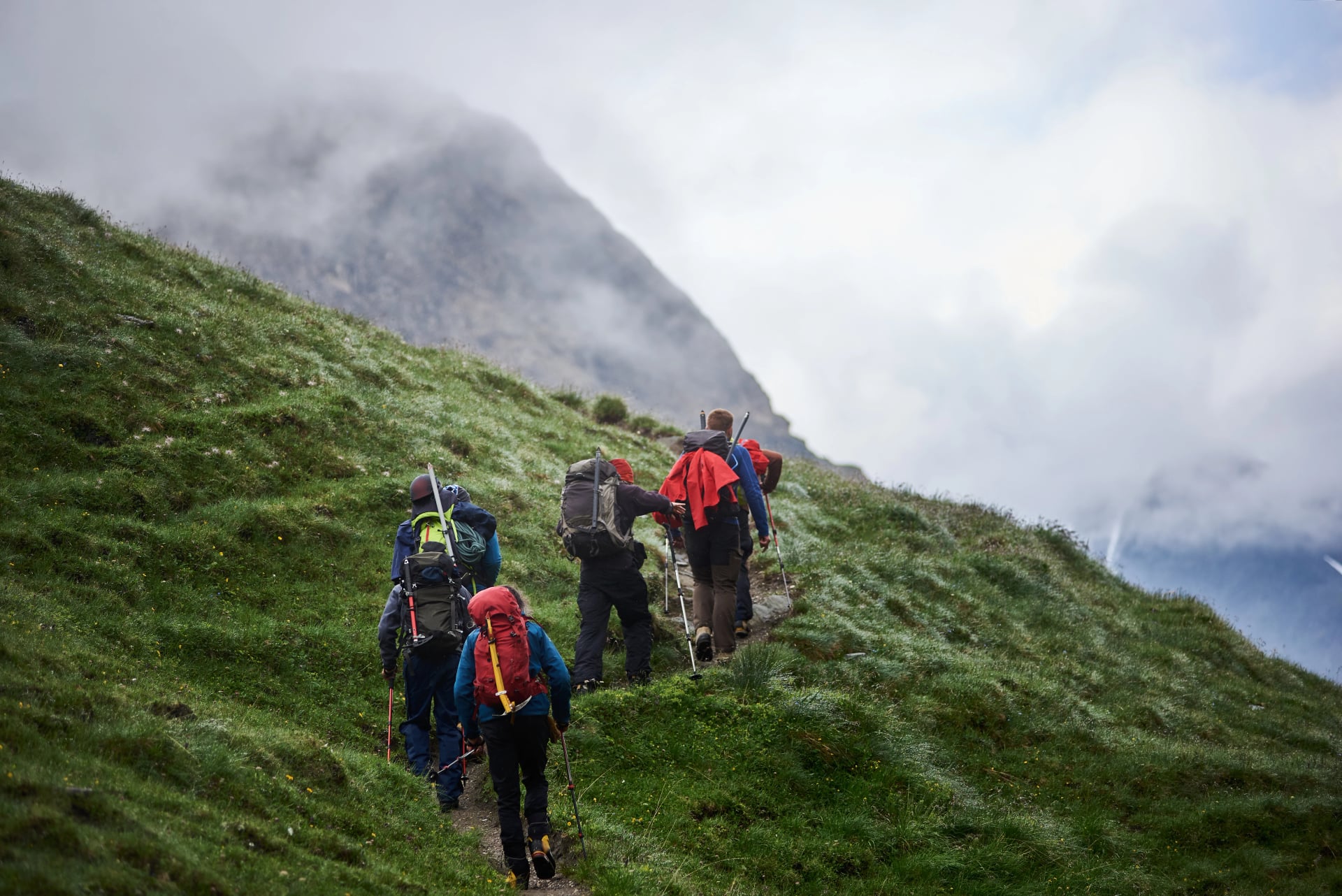
This guide breaks down every month of Austria's hiking season with honest assessments of what to expect, trade-offs to consider, and who each timeframe suits best. By the end, you'll know exactly when to book your Austrian Alpine adventure based on your priorities and experience level.
The Austrian Hiking Season at a Glance
Before diving into month-by-month details, here's the big picture of Austria's Alpine hiking calendar:
Prime Hiking Season
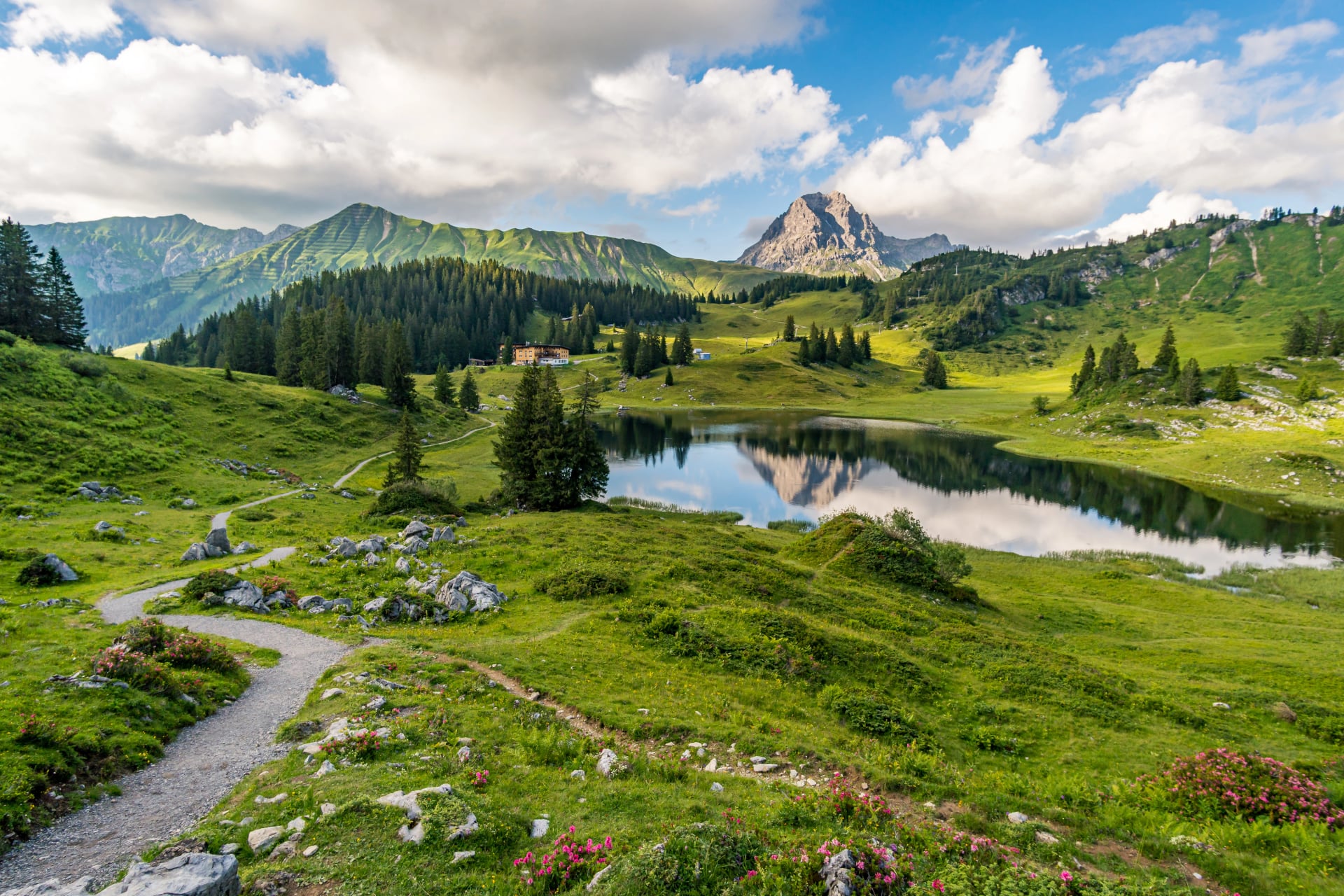
Late June through mid-September is when Austria's Alps fully open for business. Mountain huts (Almhütten and Berghütten) operate at full capacity, trails are snow-free even at high elevations above 2,500m, weather patterns become relatively predictable, and you have complete access to multi-day routes and high Alpine passes. Nearly all infrastructure—cable cars, shuttle buses, mountain railways, and hut services—runs daily during this window. This is the reliable core of Austria's hiking season.
Shoulder Seasons
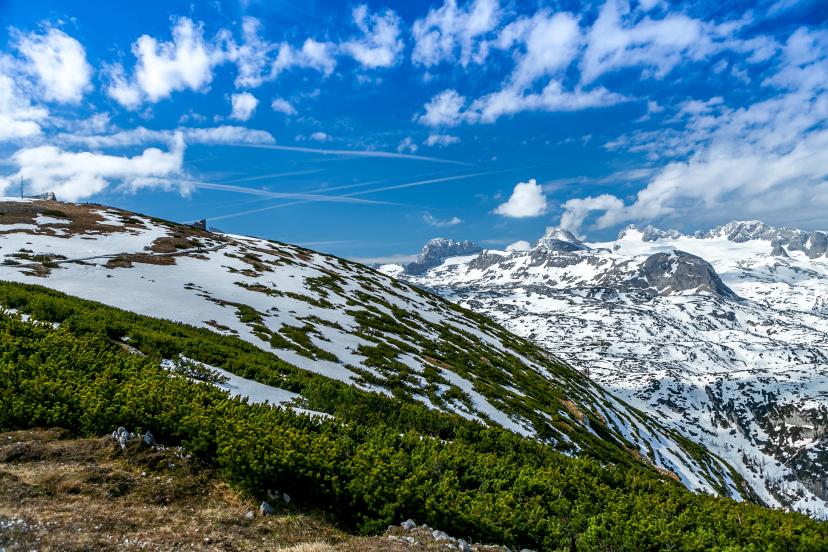
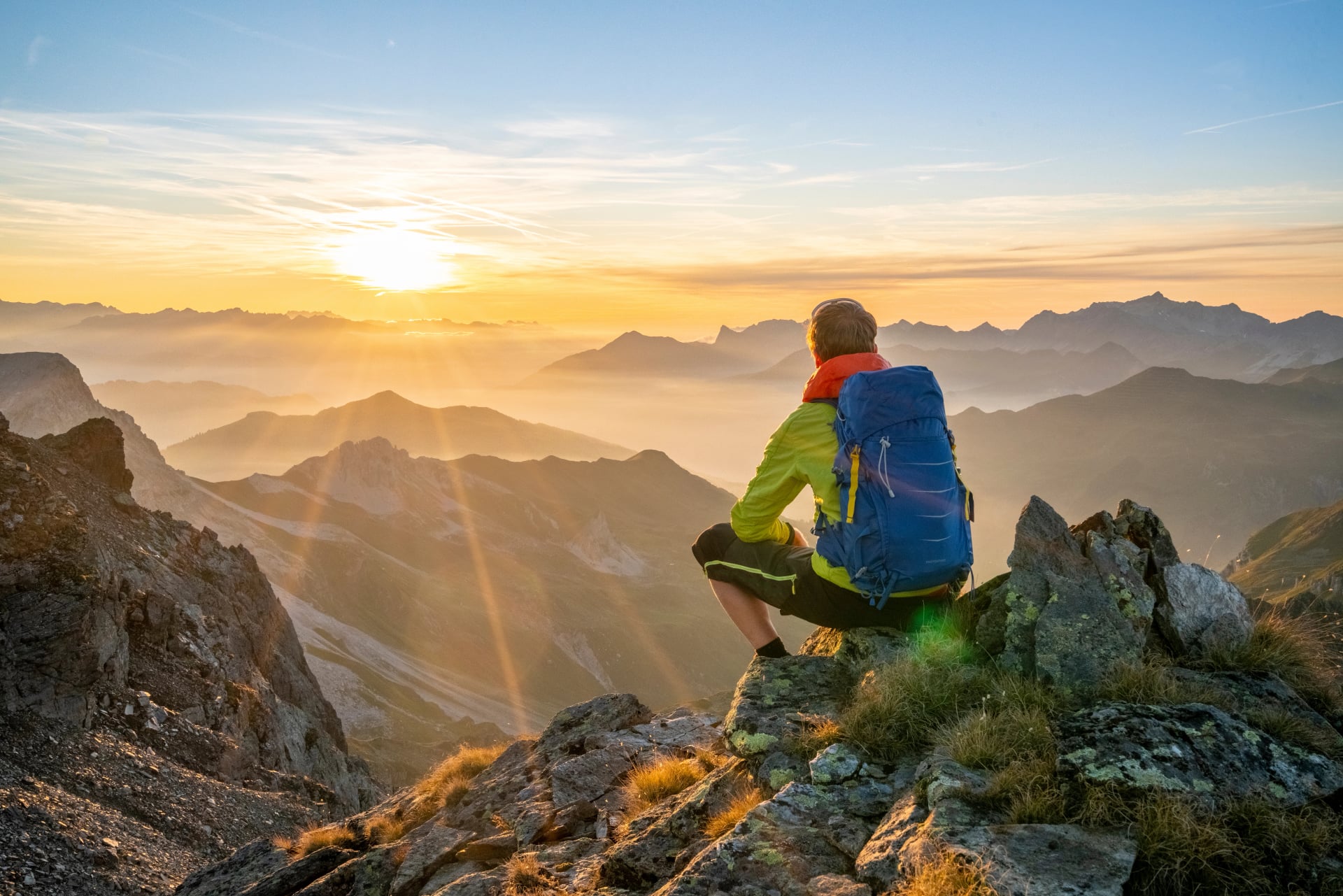
Late May through early June, and late September through early October offer genuine rewards for hikers who can be flexible. Some mountain huts remain closed or operate with limited services, high passes may still hold snow in early June or see first flakes in late September, and weather becomes more variable than midsummer.
But you'll encounter far fewer people on trails, pay significantly lower prices for accommodations and services, and often experience surprisingly stable conditions—sometimes even better than peak summer. These months reward preparation, adaptability, and a willingness to adjust plans if conditions change.
Whatever month you choose, our guide to the top 15 landmarks in the Austrian Alps helps you plan the must-see stops.
Off-season
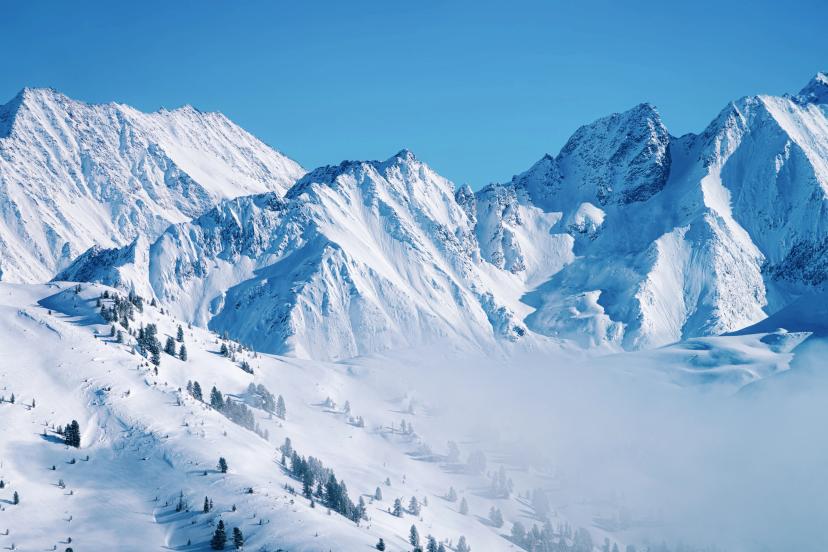
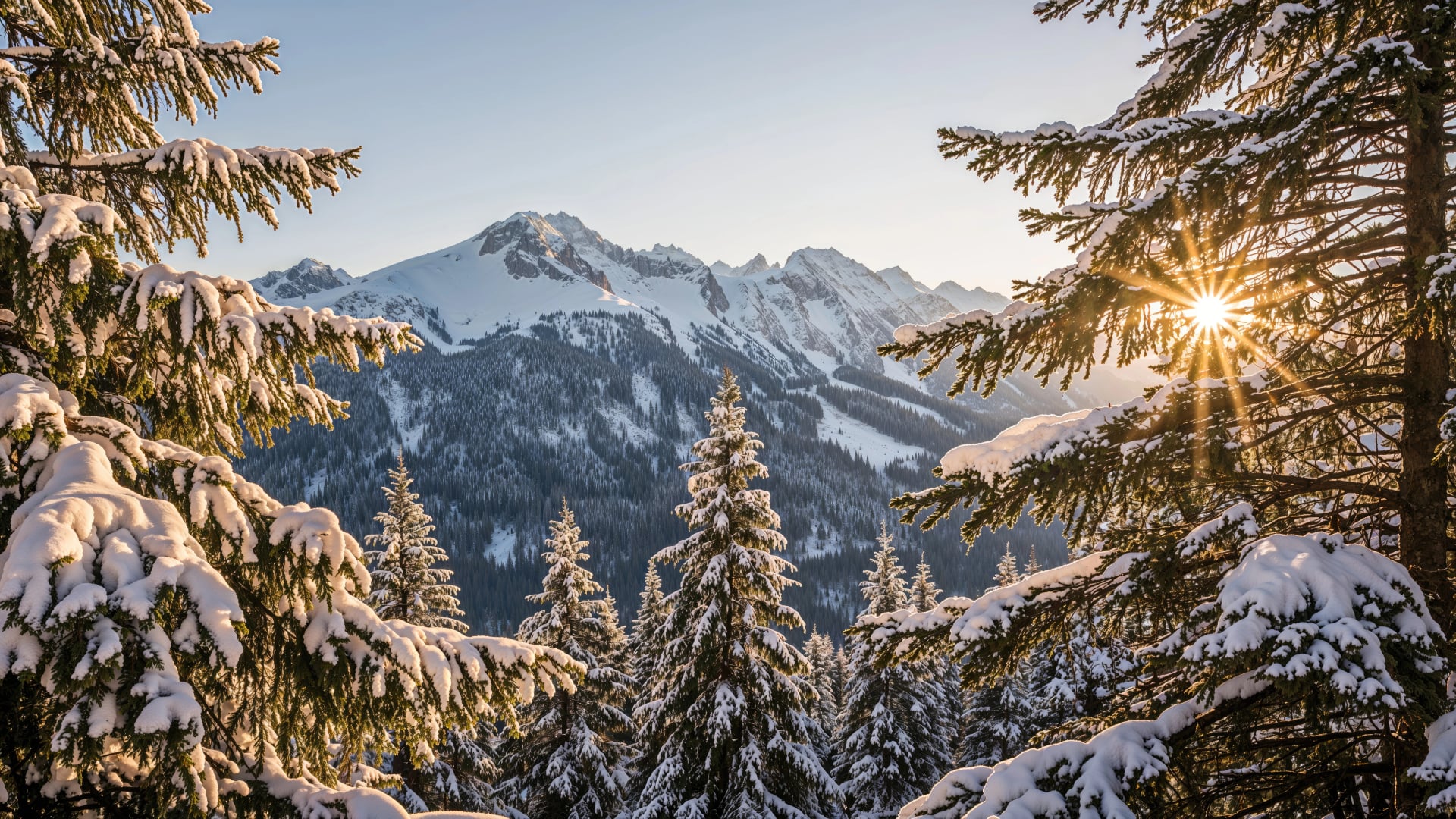
Most mountain huts close by mid-October and remain closed until late May. Heavy snow blankets high elevations from November through April, making traditional summer hiking impossible. But don't dismiss Austria entirely during these months—winter transforms these mountains into some of Europe's premier ski terrain, with world-class resorts across Tyrol, Salzburg, and Vorarlberg.
For a full overview of how the hut system works and how far ahead to book, see our hut-to-hut hiking in Austria guide.
Lower valley walks also remain accessible well into October and from April onwards for those seeking gentle hiking without Alpine challenges.
Our Recommendation
Target early June (the last 10 days) or September (the first three weeks). These windows deliver the best combination of excellent hiking conditions without the intensity, crowds, or prices of peak season.
If you're planning the Adlerweg, our Adlerweg ultimate guide has the specific opening dates and best stage windows for each month.
May - Spring Awakening in the Valleys
Why Choose May?
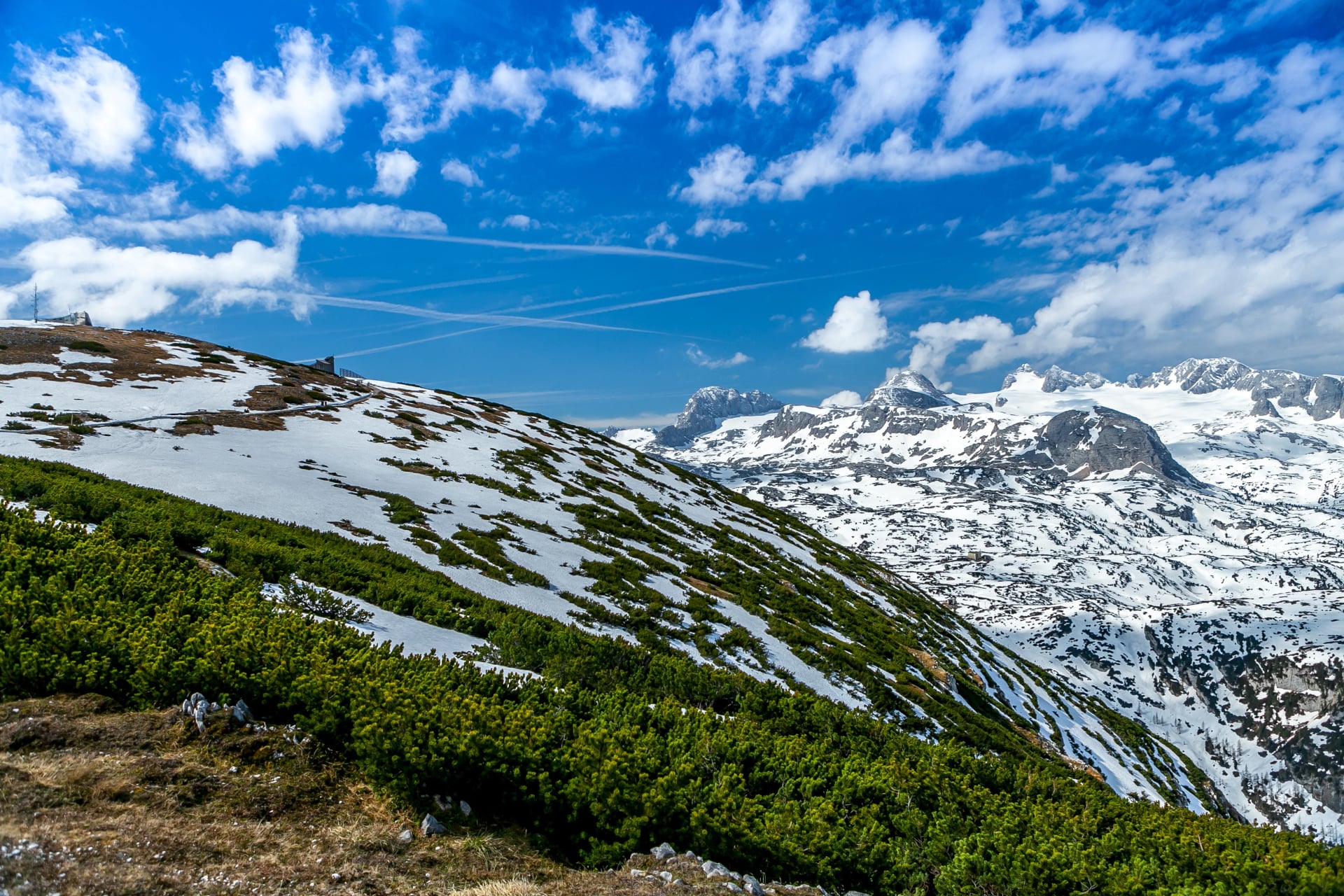
Spring arrives in full force at lower elevations. Valley regions between 1,000-1,800m experience vibrant spring bloom—wildflowers emerging across meadows, waterfalls roaring with fresh snowmelt, and pastures turning intensely green as Alpine flora awakens after winter dormancy. The transformation is dramatic and beautiful.
Trail solitude is virtually guaranteed. Most hikers wait until June's full mountain opening, meaning May trails remain quiet and peaceful. You'll have valleys, forests, and accessible peaks largely to yourself—a rare gift in increasingly popular Austrian Alps.
Extended valley hiking season. Regions like Salzkammergut, lower Zillertal valleys, Kitzbühel Alps, and Tyrolean valley trails offer excellent hiking with comfortable temperatures and accessible terrain. These areas come alive in May while high Alpine routes remain snow-covered.
Shoulder-season pricing across accommodations. Hotels, guesthouses, and pension operators charge May rates—typically 20-30% lower than July-August peaks. For budget-conscious hikers, this makes a significant difference.
Trade-offs:
High-altitude access remains severely limited. Most trails above 2,000m stay snow-covered and potentially dangerous. Classic Alpine routes, summit approaches, and mountain hut-to-hut treks aren't accessible. If you're dreaming of high Alpine traverses, May isn't your month.
The majority of mountain huts remain closed until early-to-mid June, which limits multi-day trekking options and means you'll rely on valley accommodations rather than experiencing authentic mountain hut culture.
Best for:
Valley hikers content with lower-elevation routes and lake circuits
Budget travelers seeking lower prices and shoulder-season deals
Solitude seekers who prioritize empty trails over high Alpine access
Flexible hikers comfortable with limited mountain hut availability
Experienced Alpine travelers who understand May's constraints
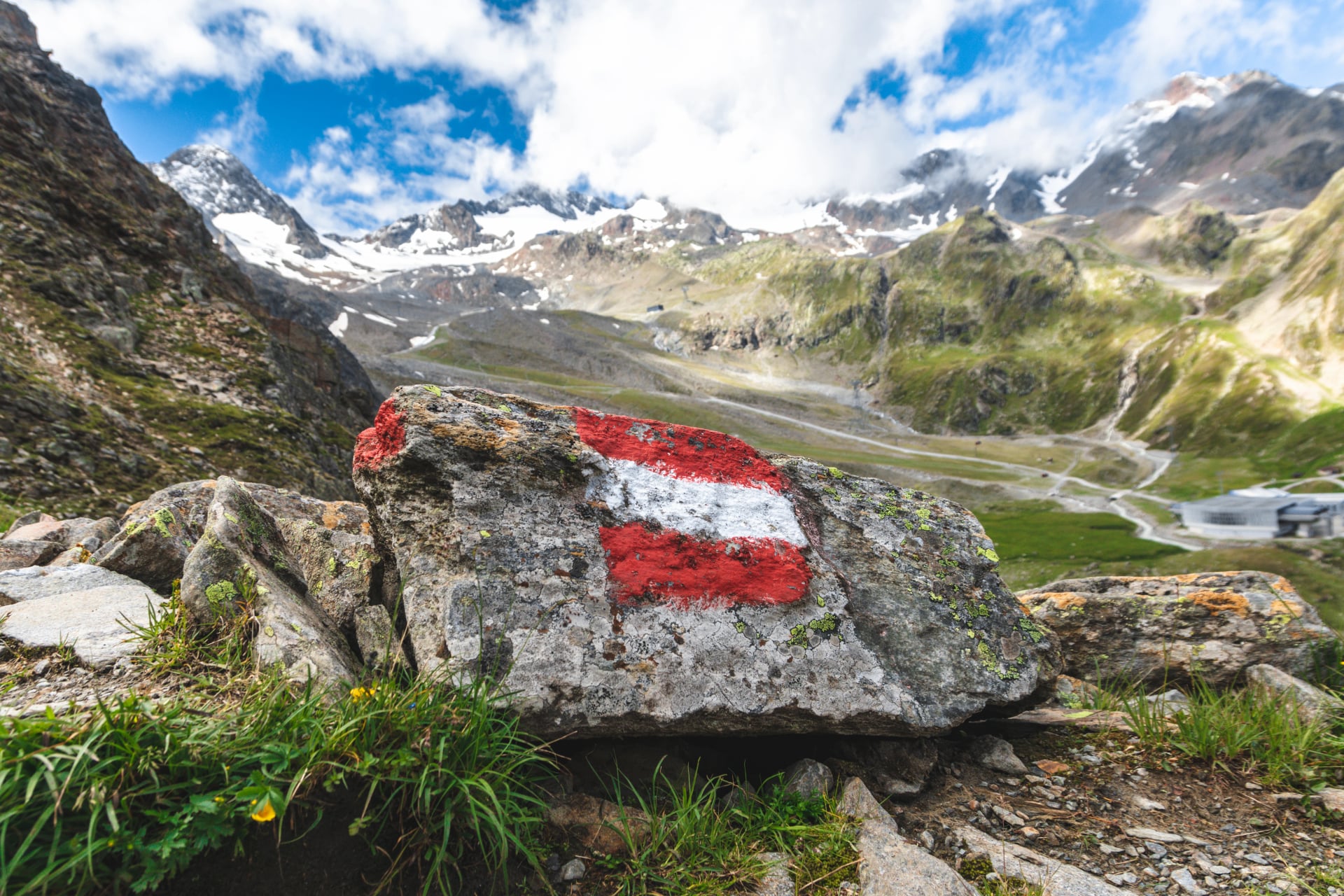
Pro tip: The final 10 days of May represent the sweet spot—valley trails are fully accessible and dry, weather steadily improves, waterfalls reach peak flow from snowmelt, and the very first mountain huts begin opening their doors for early-season arrivals.
June - Wildflowers and Awakening Alps
Why Choose June?
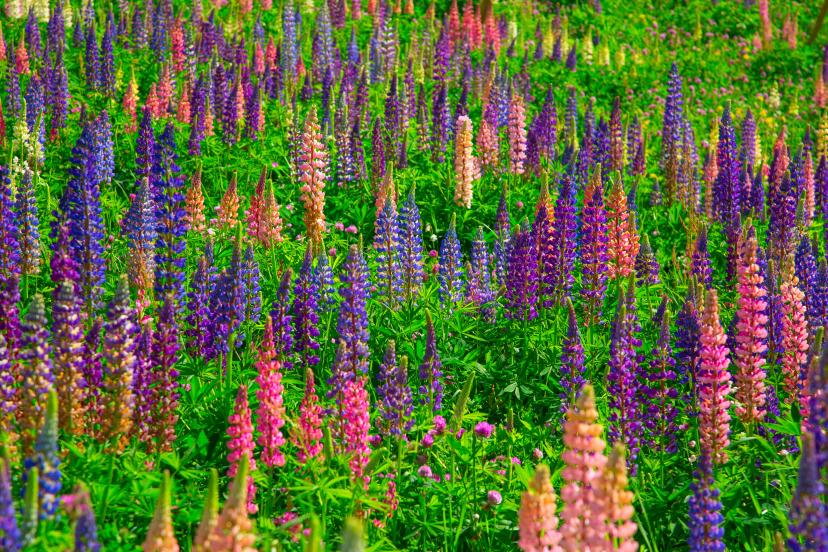
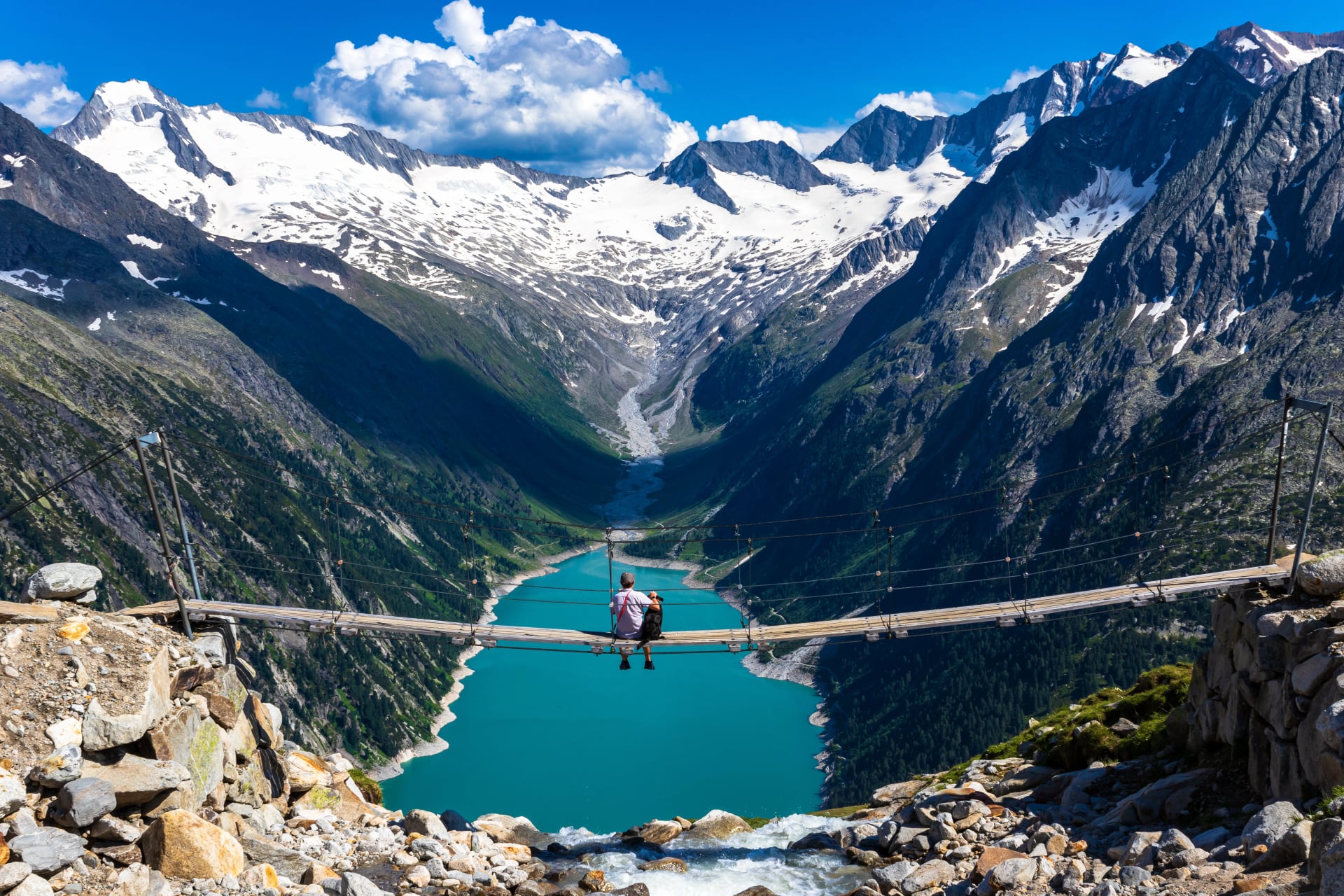
Wildflower explosion transforms Alpine meadows. This is THE month for Austria's legendary Alpine wildflowers. By mid-to-late June, entire hillsides burst with color—gentians, alpine roses, edelweiss, primroses, anemones, saxifrages, and dozens of other species carpet the slopes and valleys. Photographers and botanists consider June the season's true highlight for this reason alone.
Waterfalls reach maximum flow and power. Snowmelt from higher elevations feeds Austria's famous waterfalls—Krimml Falls (Europe's highest at 380m), Stuibenfall in Ötztal, Umbal Falls in East Tyrol—to their fullest, most spectacular volume. The landscape pulses with water energy—rushing creeks, cascading falls, and rivers swollen with cold mountain runoff.
Fresh, vibrant green landscapes dominate. After months of winter dormancy, everything is intensely, almost aggressively green. The contrast between new grass, blooming wildflowers, and stark limestone or granite Alpine peaks creates stunning visual drama that defines Austria's mountain aesthetic.
Trail crowds remain manageable. Compared to July-August's intensity, June trails feel spacious and contemplative. You'll encounter other hikers—Austria's Alps are never truly empty in summer—but the experience maintains a peaceful quality that peak season loses entirely.
Daylight extends to 15+ hours. June offers some of the year's longest days, perfect for ambitious stages, summit detours, extended photography sessions, or simply savoring long mountain evenings at huts before sunset finally arrives around 9 PM.
Trade-offs:
Early June presents genuine challenges. Some mountain huts—especially those at very high elevations or on less-popular routes—remain closed until mid-month. Occasional snow lingers on passes above 2,200m, requiring navigation skills and possibly microspikes.
Best for:
Experienced Alpine hikers comfortable navigating variable conditions
Wildflower enthusiasts and botanical photographers
Landscape photographers seeking peak bloom and vibrant colors
Hikers who prioritize solitude and peaceful trails over guaranteed perfect weather
Those seeking the classic Alpine experience without peak-season intensity
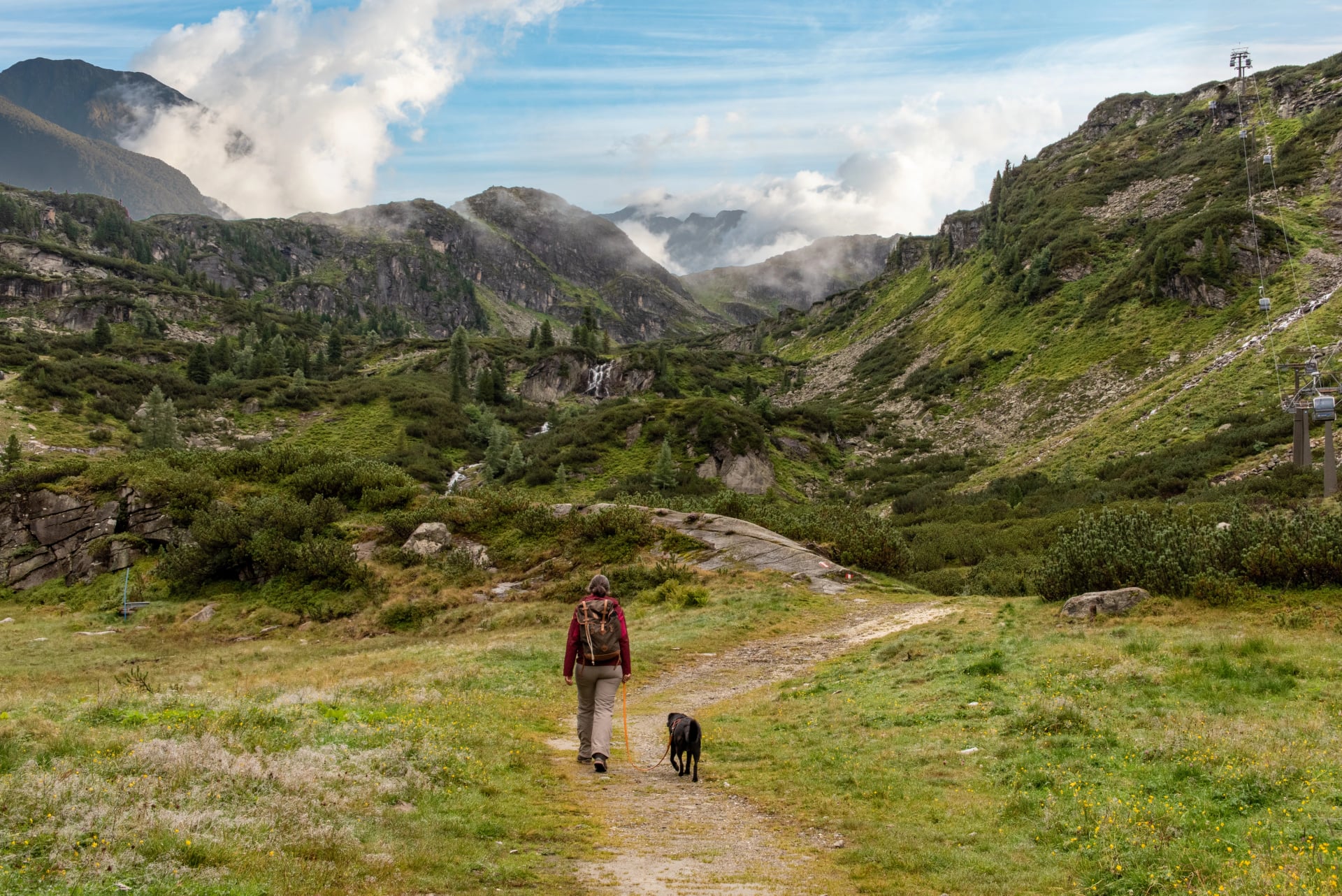
Pro tip: Late June—roughly June 20-30—represents the absolute sweet spot for Austrian Alpine hiking. Nearly all mountain huts have opened, trails are clear and dry, wildflowers still bloom spectacularly, weather patterns stabilize, and the July-August crowds haven't materialized yet. If your schedule offers flexibility, target this narrow window.
July - Peak Season Begins
Why Choose July?
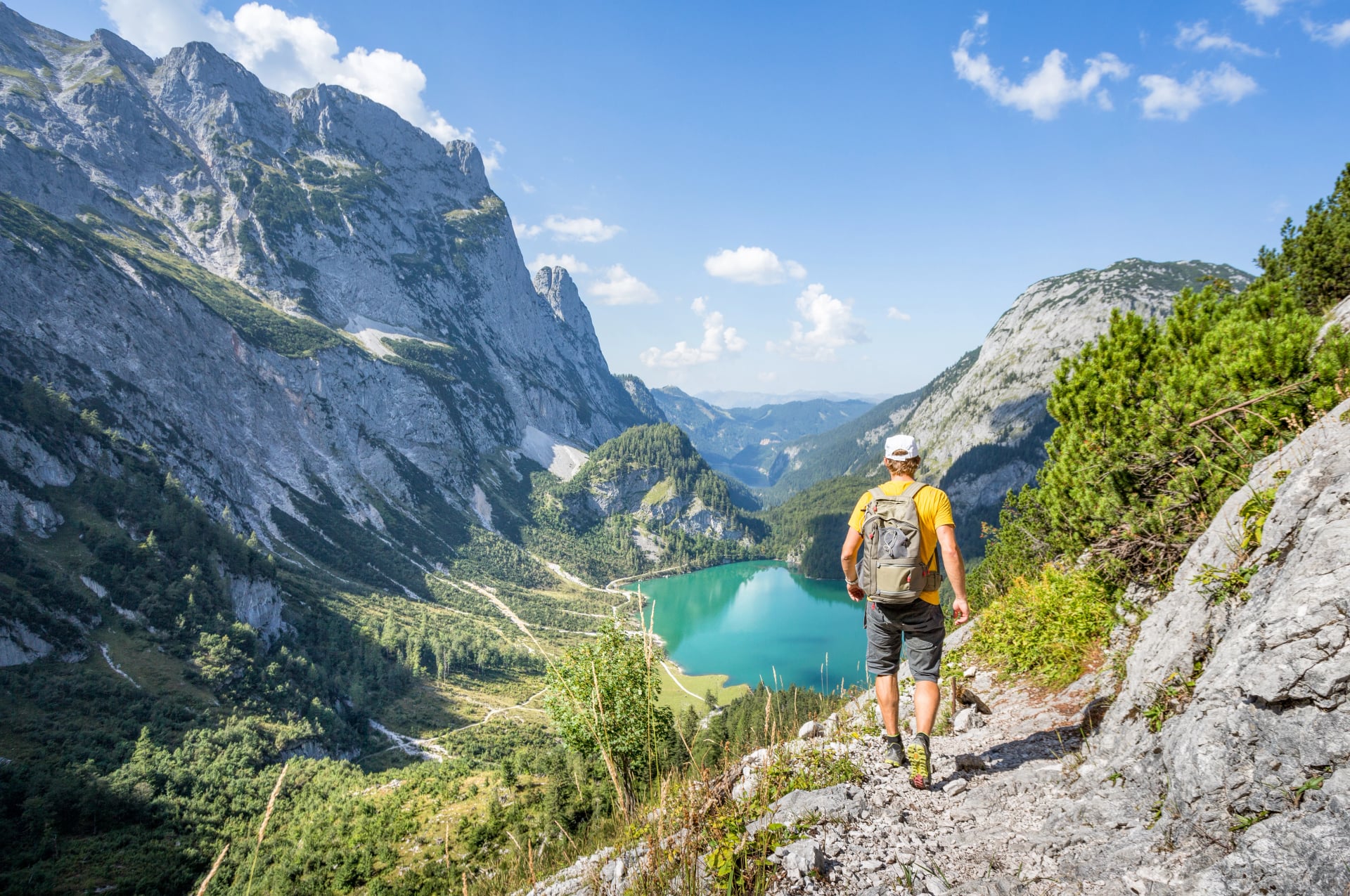
Weather patterns reach maximum stability and predictability. While afternoon thunderstorms still develop regularly (more on this below), overall weather becomes reliable. Mornings are almost always clear, giving you solid 6-8 hour hiking windows before clouds build and storms roll through.
Temperatures at altitude reach their warmest. High passes that felt chilly in June become genuinely comfortable. You'll still need layers—mountain weather changes quickly—but you won't be shivering on ridges at 2,500m or rushing through exposed sections to escape cold winds.
Daylight hours remain exceptionally long. July offers 14-15 hours of usable daylight, perfect for long stages, summit detours, via ferrata routes, or evening photography as golden hour extends late into the evening.
All mountain services operate at full capacity. Every mountain hut, cable car, shuttle bus, mountain railway, and Alpine service runs daily with full staffing. Logistics become straightforward and reliable—no need to verify opening schedules or worry about limited service windows.
Optimal conditions for via ferrata (Klettersteig) routes. Warm temperatures, dry rock, stable weather, and long days make July ideal for tackling Austria's famous via ferrata routes that require sustained climbing, confidence on exposure, and technical skills.
Trade-offs:
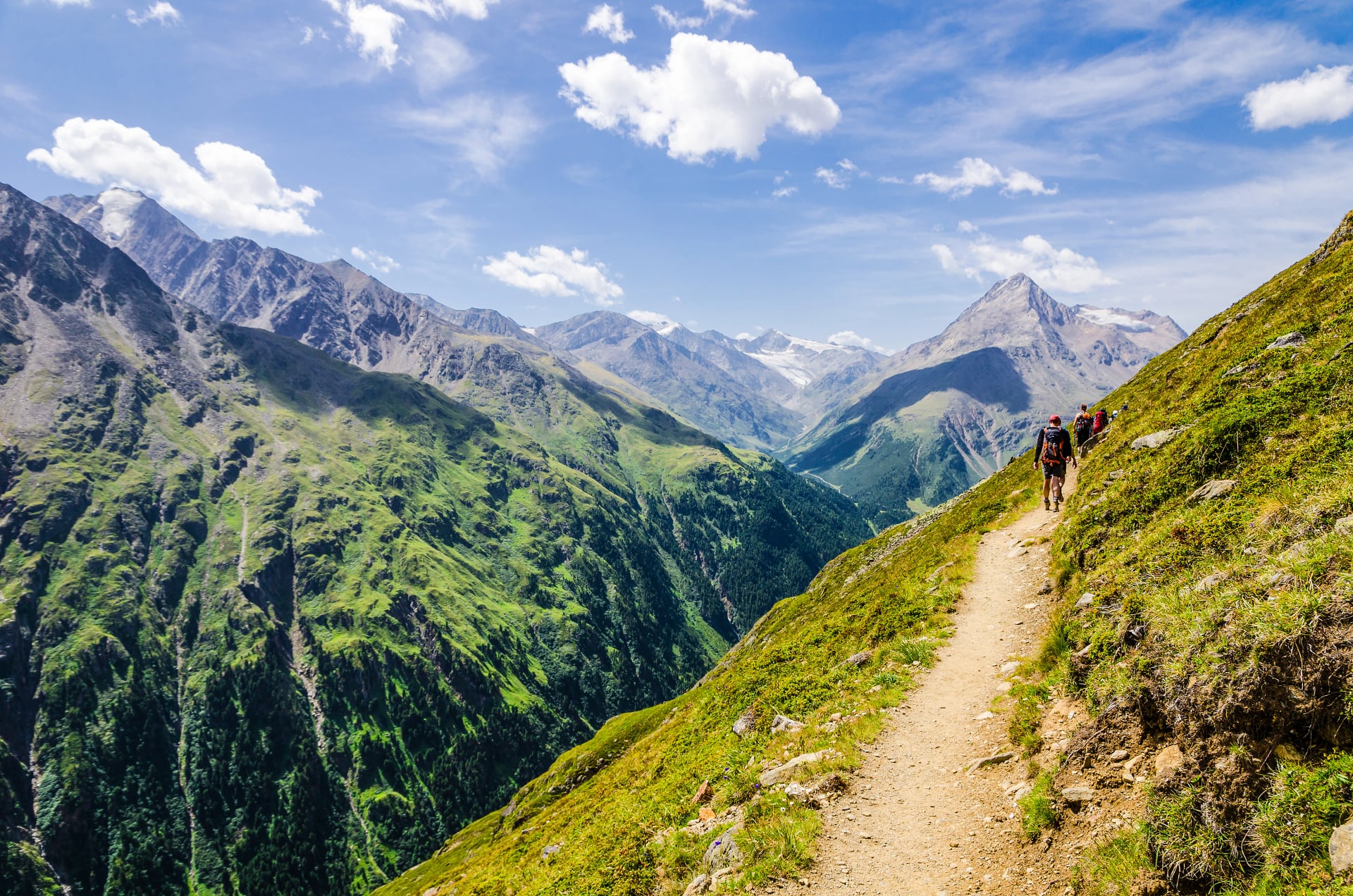
Crowds arrive in force. Trails feel genuinely busy, especially on popular routes. Mountain huts operate at capacity, meaning packed dormitories, limited quiet, and the inevitable symphony of snoring. Prices for accommodations, flights, and mountain services reach their annual peaks.
Afternoon storms require strict discipline as well—you absolutely must start hiking early (ideally 7-8 AM) to reach your destination before the daily weather window closes around 2-3 PM. Sleeping in isn't an option if you're crossing high passes or exposed ridges. The storms are predictable but non-negotiable.
Best for:
First-time Austrian Alps visitors who want maximum weather reliability
Families with school-age children (often the only viable option due to vacation schedules)
Hikers prioritizing weather certainty and guaranteed full services over solitude
Via ferrata enthusiasts tackling challenging Klettersteig routes
Those who enjoy the social atmosphere of busy mountain huts
Booking reality: July mountain hut reservations should be made 3-5 months in advance—ideally by March or April for popular huts on routes like Stubai Höhenweg, Berliner Höhenweg, Venediger Höhenweg, and circuits in Ötztal. Don't wait until spring to book summer treks or you'll find fully booked huts.
August - High Season Continues
Why Choose August?
Reliable weather with slightly cooler temperatures than July. For hikers who find July's peak warmth excessive, August offers a more comfortable middle ground while maintaining general weather stability. High-altitude temperatures moderate slightly, making strenuous climbs less taxing.
Mountain hut operations reach peak efficiency. By August, hut staff, mountain guides, shuttle drivers, and all Alpine services have fully settled into peak-season rhythm. Everything runs smoothly, efficiently, and with well-established routines.
Social atmosphere reaches its peak. If you genuinely enjoy the communal aspect of mountain hut culture—sharing meals with hikers from around Europe, swapping route recommendations, making trail friends—August's lively dormitory atmosphere and dinner conversations deliver maximum social experience.
Austrian National Day celebrations. Mariä Himmelfahrt (Assumption of Mary) on August 15 is a major holiday, and traditional mountain villages host special celebrations, processions, and cultural events worth experiencing.
Trade-offs:
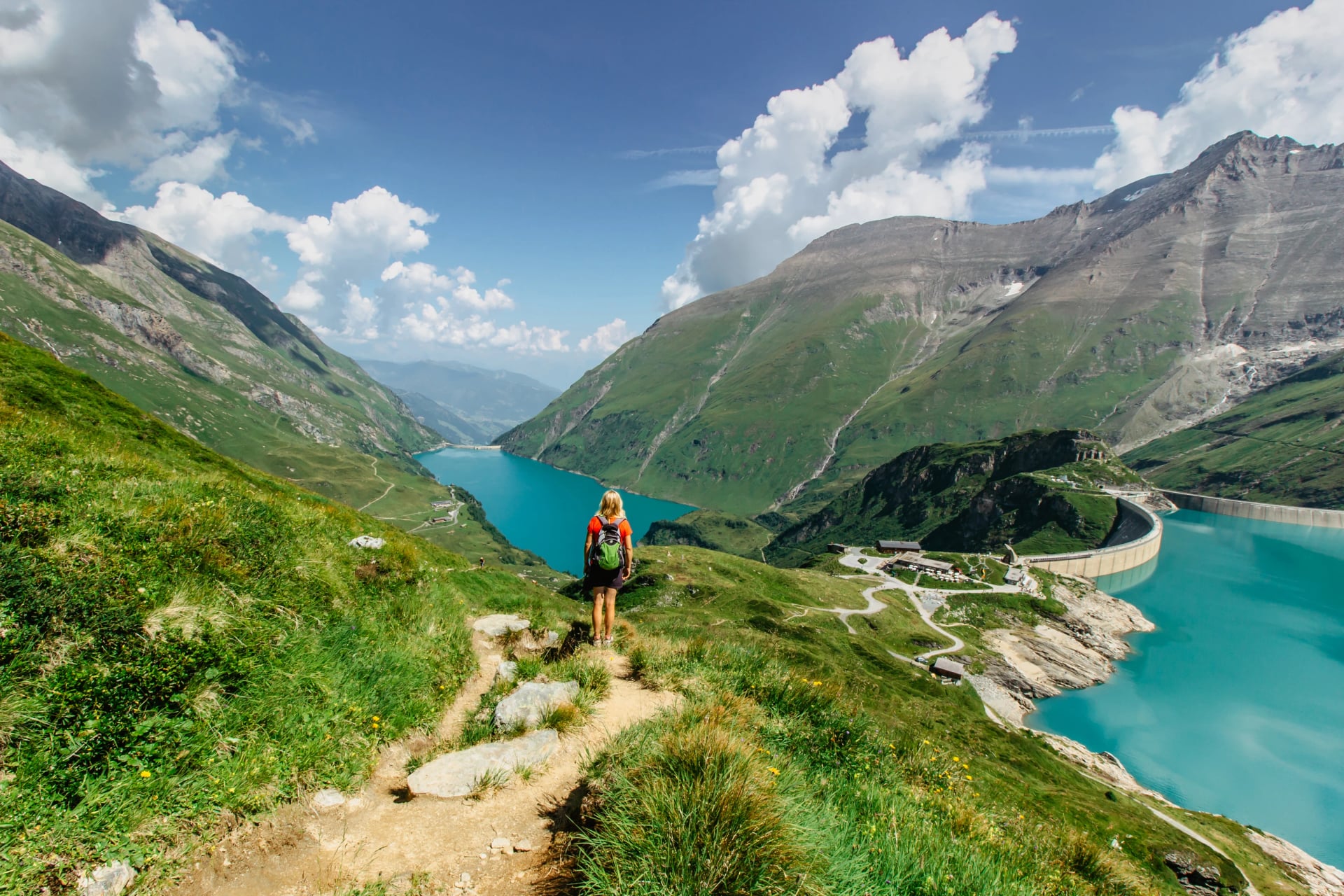
August is unequivocally the busiest month of the year. Trails feel genuinely crowded, especially on signature routes like Stubai Höhenweg, Berliner Höhenweg, Adlerweg sections, and Zillertal circuits. Mountain hut dormitories reach absolute capacity with inevitable noise, snoring, and limited personal space.
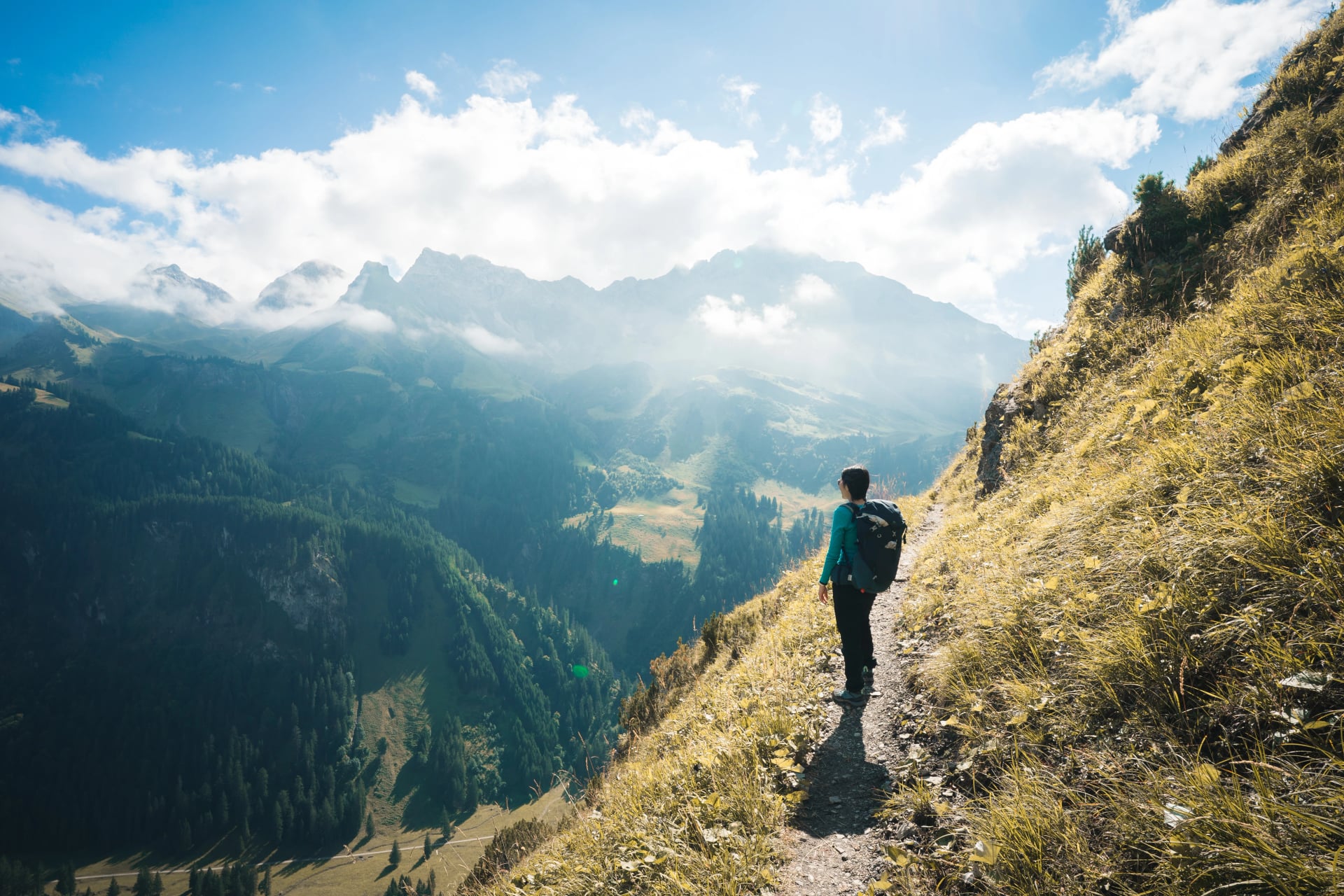
Prices peak across all categories—accommodations, flights, cable cars, mountain railways, and even some hut meals charge maximum rates. If budget matters, August is expensive. Wildlife becomes significantly harder to spot due to constant human presence on trails. Chamois, ibex, marmots, and eagles retreat to more remote areas.
Best for:
Social hikers who actively enjoy busy mountain hut atmospheres and meeting international travelers
Families traveling during school holidays (often no choice)
Those with fixed vacation schedules locked to August by work or family constraints
Hikers who want guaranteed full services and maximum infrastructure support
Groups who appreciate the energy and activity of peak season
Avoid if: You're seeking solitude, wilderness experience, flexible last-minute hut availability, lower prices, or wildlife spotting. August maximizes crowds and costs while minimizing the sense of remoteness.
Booking reality: August mountain huts should be booked 3-5 months ahead—by March or April at the latest. Popular routes may sell out entirely for peak weeks, especially the week surrounding August 15 national holiday.
September - The Golden Month
Why Choose September?
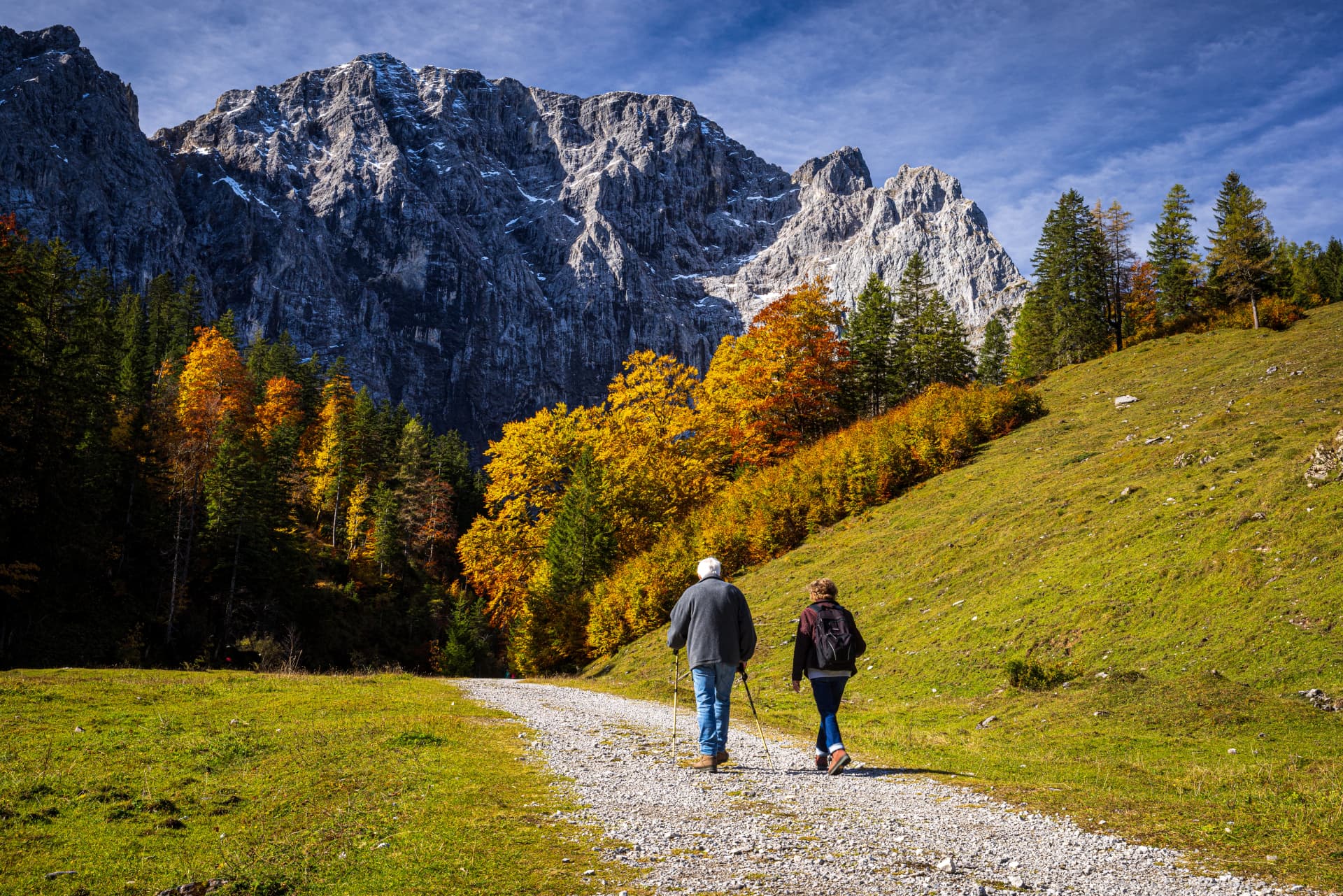
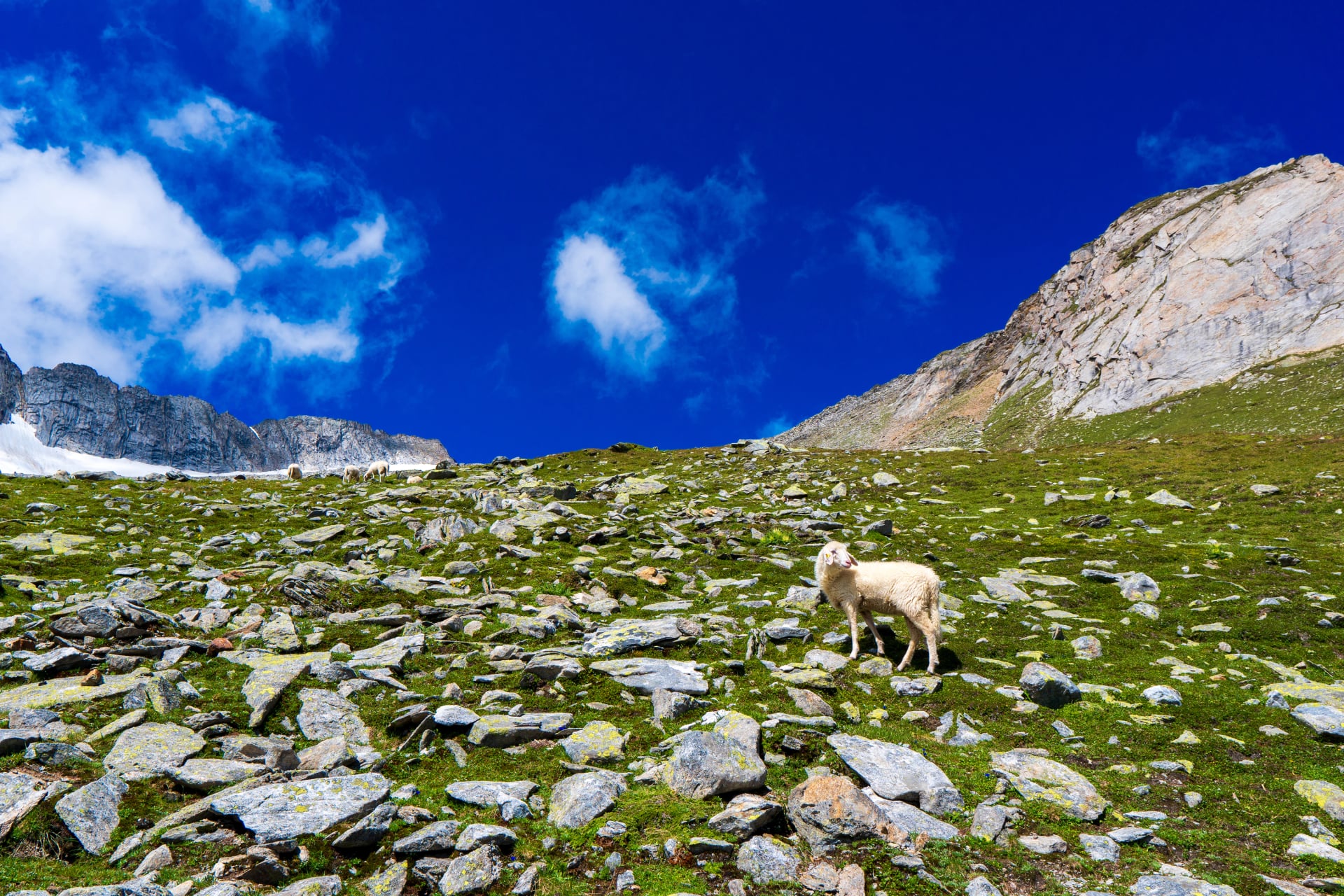
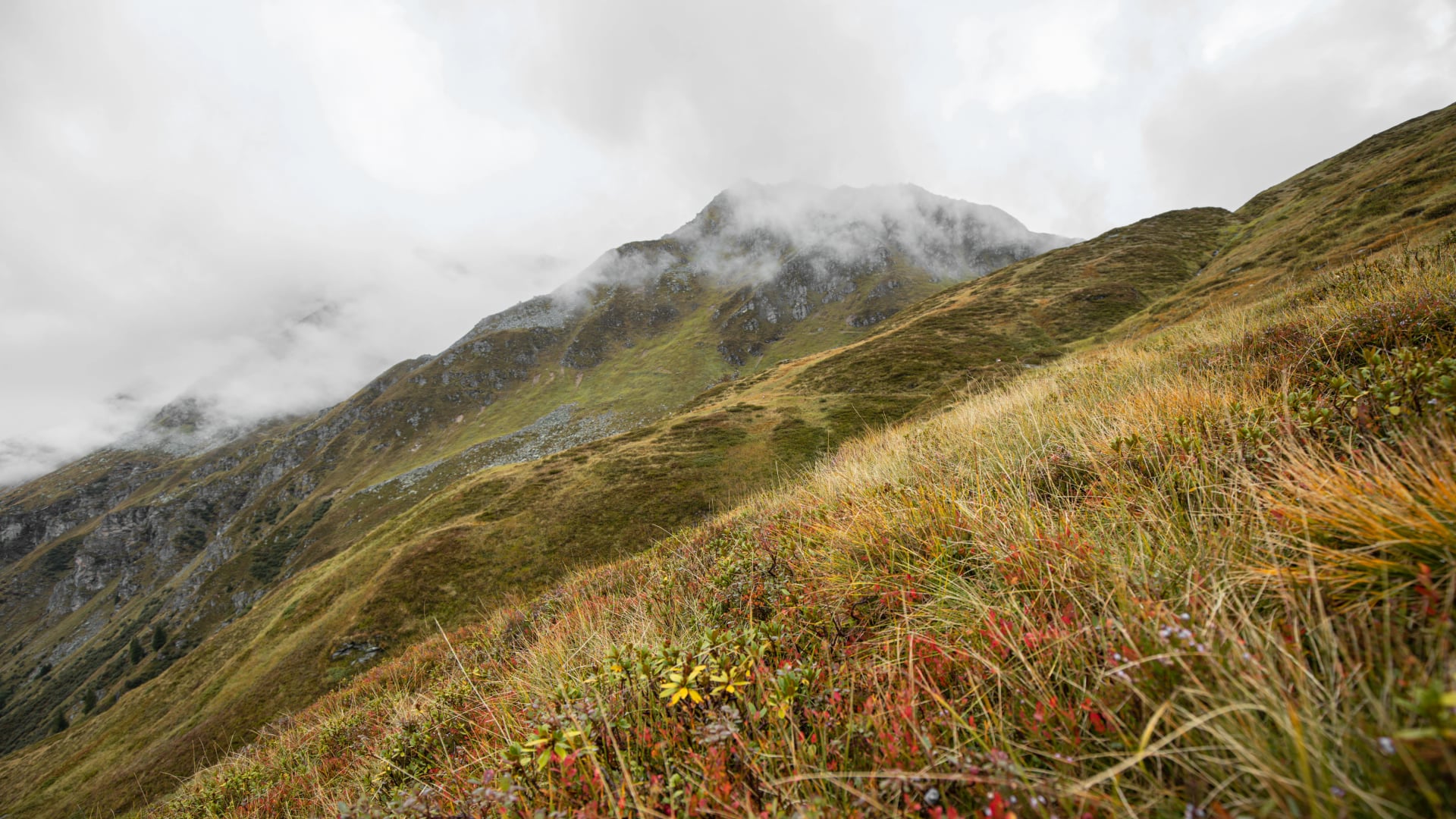
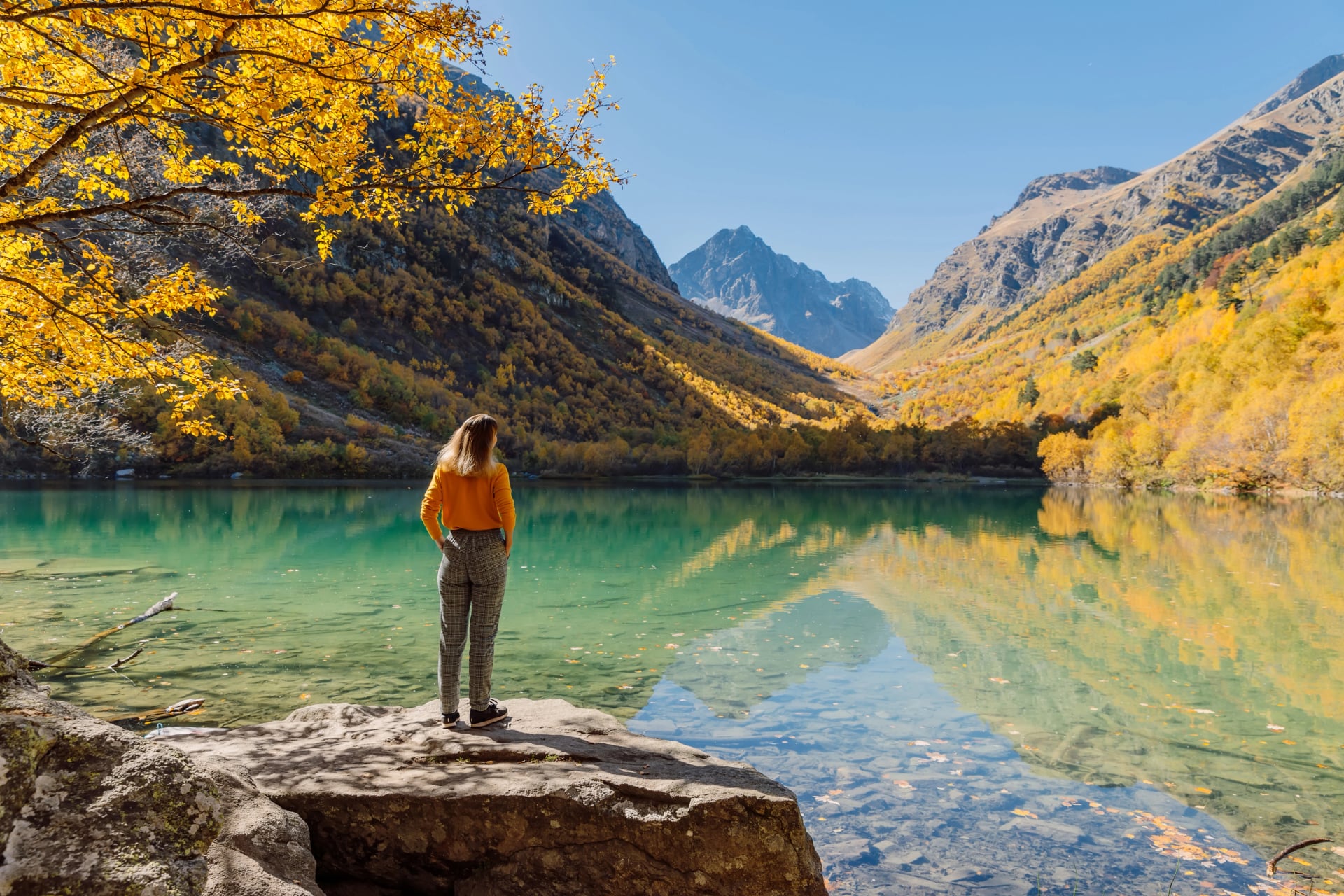
Autumn colors begin their spectacular transformation. Late September brings one of the Alps' most beautiful transitions—larch trees (especially abundant in Tyrol, East Tyrol, and Carinthia) turn brilliant gold, creating stunning contrasts against dark evergreen forests and pale limestone peaks. The color show typically peaks during the final week of September and first week of October.
Crystal-clear air delivers exceptional visibility. September offers the clearest, sharpest air of the entire season. Visibility can extend for 100+ kilometers on perfect days, revealing distant peaks and creating ideal photography conditions. The quality of light—especially during golden hour—becomes simply spectacular.
Weather patterns often stabilize significantly. While June and July bring predictable afternoon storms, September frequently delivers multi-day stretches of stable, clear weather as high-pressure systems settle in and linger. Some years, September offers the season's most reliable conditions.
Cooler temperatures make strenuous climbs more comfortable. If you're tackling routes with significant elevation gain—1,000m+ days—September's moderate temperatures make the physical effort notably more pleasant than July's peak heat.
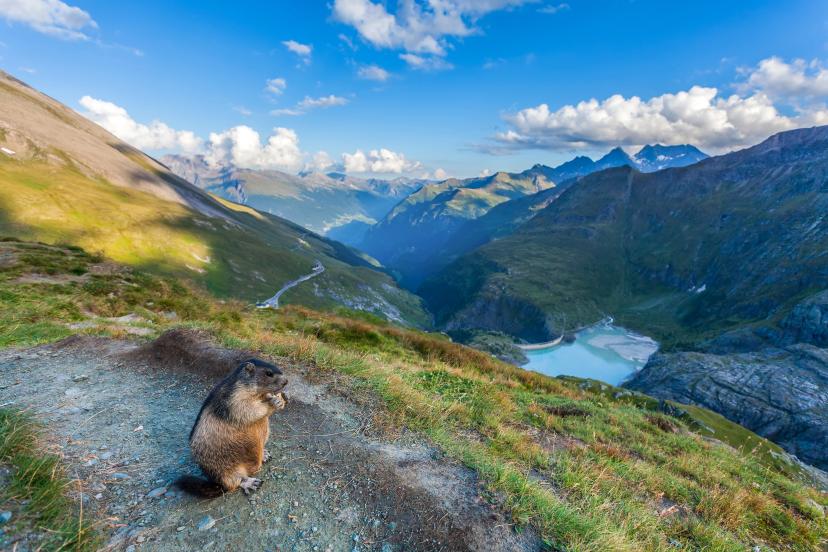
Wildlife visibility increases dramatically. Chamois, ibex, marmots preparing for hibernation, and golden eagles become noticeably more active and visible as tourist traffic decreases. The Alps genuinely feel wilder and more authentic.
Prices drop into shoulder-season range. September is officially shoulder season for airlines, hotels, and many mountain services—expect prices 20-40% lower than July-August peaks. For budget-conscious hikers, this difference is substantial.
Mountain hut staff become more relaxed and conversational. The intense pressure of peak season has passed. Hut keepers and staff have time to chat, share local knowledge, offer insider recommendations about trails and conditions. The atmosphere becomes more personal and genuinely welcoming.
Trade-offs:
Daylight hours shorten noticeably. September offers 12-13 hours of daylight compared to July's 15 hours. A hiking stage that felt comfortable in July with generous daylight margins becomes tighter in September. You need to plan stages more carefully and start earlier.
Nights grow genuinely cold at altitude—expect temperatures dropping to 0-5°C at high elevations by late September. You'll need warmer sleeping bags (comfort rating near freezing), more insulating layers, and proper cold-weather gear.
Best for:
Experienced Alpine hikers who genuinely appreciate solitude and quieter trails
Photographers seeking optimal light conditions, autumn colors, and dramatic landscapes
Anyone prioritizing stable weather combined with minimal crowds
Budget-conscious travelers looking for lower prices across services
Wildlife enthusiasts hoping to spot chamois, ibex, and eagles
Hikers who prefer cooler temperatures for strenuous climbs
Our top pick:
The first three weeks of September deliver the perfect combination—summer-quality weather and trail conditions with June-level crowds and shoulder-season prices. Add crystal-clear air, comfortable temperatures, genuinely peaceful trails, and the first hints of autumn gold in the high country, and you have Austria's most magical hiking window.
October - Autumn's Last Hurrah
Why Choose October?
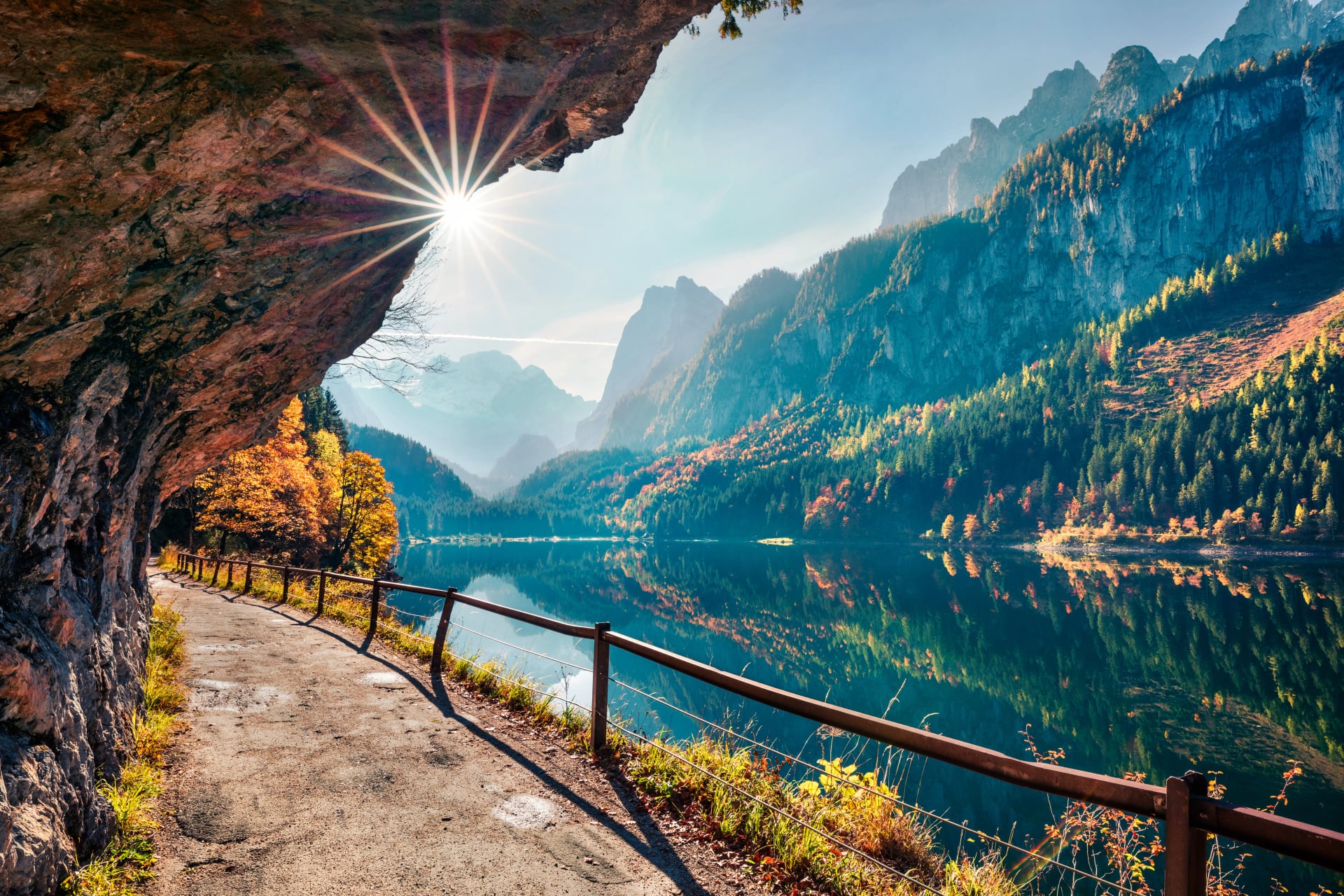
Peak autumn color display transforms entire landscapes. Early October delivers the most intense, saturated autumn colors of the year—entire hillsides glow brilliant gold, especially in larch-dominated regions like Tyrol, East Tyrol, Carinthia, and parts of Salzburgerland. Against evergreen backgrounds and pale limestone or granite rock faces, the effect is breathtaking.
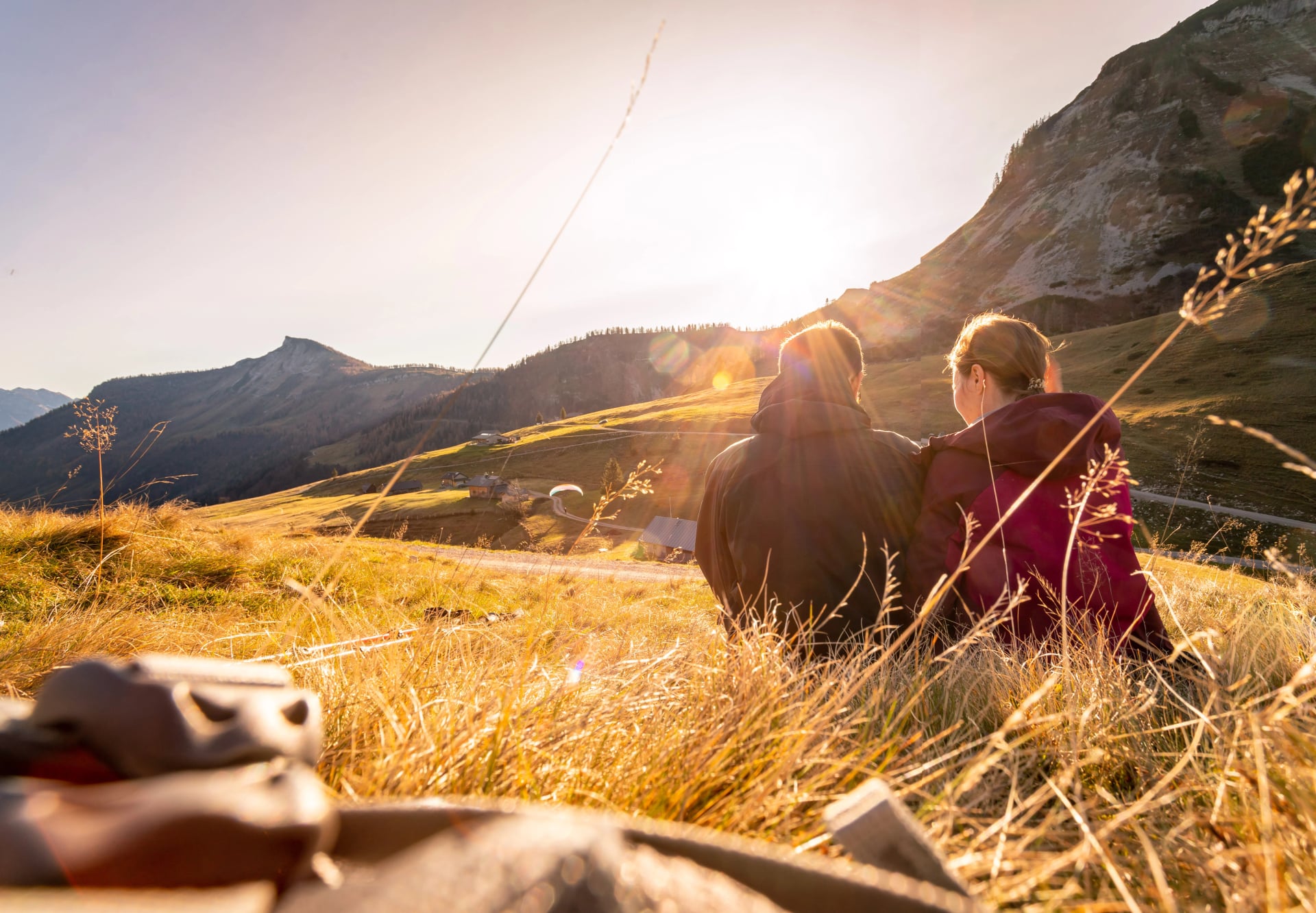
Photographic light reaches annual peak quality. Low-angle autumn sun creates extraordinary lighting conditions—longer shadows, warmer tones, dramatic contrasts. Combined with exceptionally clear air and the dramatic Alpine landscape, October offers some of the year's absolute best photography opportunities.
Total trail solitude becomes the norm. If wilderness solitude ranks as your top priority, October delivers completely. You might hike for hours—sometimes entire days—without encountering another person. The Alps feel genuinely remote and wild.
Lower valley hikes remain pleasant and accessible. While high-altitude trekking above 2,500m becomes impractical without winter skills, trails around 1,500-2,000m elevation remain accessible and offer beautiful hiking through autumn forests and across Alpine pastures.
Trade-offs:
Minimal mountain hut access makes multi-day hut-to-hut treks nearly impossible. Most huts close by mid-October, and those that remain open typically operate with reduced services. Traditional Alpine traverses and circuits aren't feasible.
Weather becomes genuinely unpredictable as well—snowstorms can arrive with minimal warning, and multi-day windows of stable weather become rare. You need maximum flexibility, strong weather-reading skills, and willingness to change or abandon plans.
Best for:
Day hikers content with lower-elevation trails and valley circuits
Photographers specifically targeting peak autumn colors and dramatic light
Experienced Alpine hikers comfortable with minimal services and variable conditions
Anyone whose absolute top priority is trail solitude and wilderness atmosphere
Those who appreciate autumn's unique mountain character
Not suitable for: First-time Austrian Alps visitors, anyone planning traditional multi-day hut-to-hut treks, hikers expecting summer-like conditions or services, or those requiring predictable weather for tight travel schedules.
November through April - Winter Wonderland
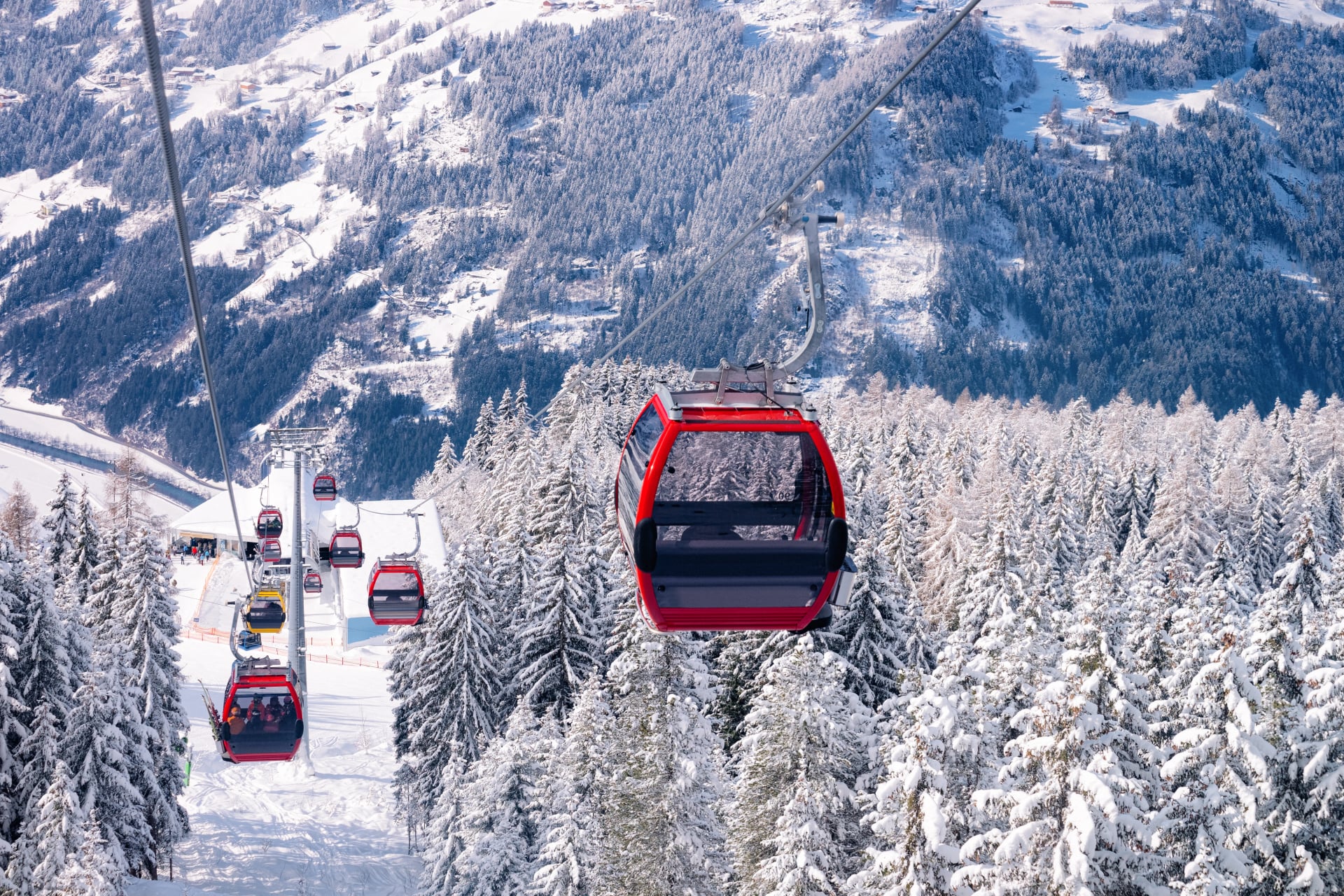
Winter transforms Austria into one of Europe's premier ski destinations. From November through April, heavy snow blankets the Alps, mountain huts close their doors, and summer hiking trails disappear beneath meters of snow. But this doesn't mean the mountains shut down—quite the opposite.
Winter activities include:
Downhill skiing and snowboarding on world-renowned slopes and circuits
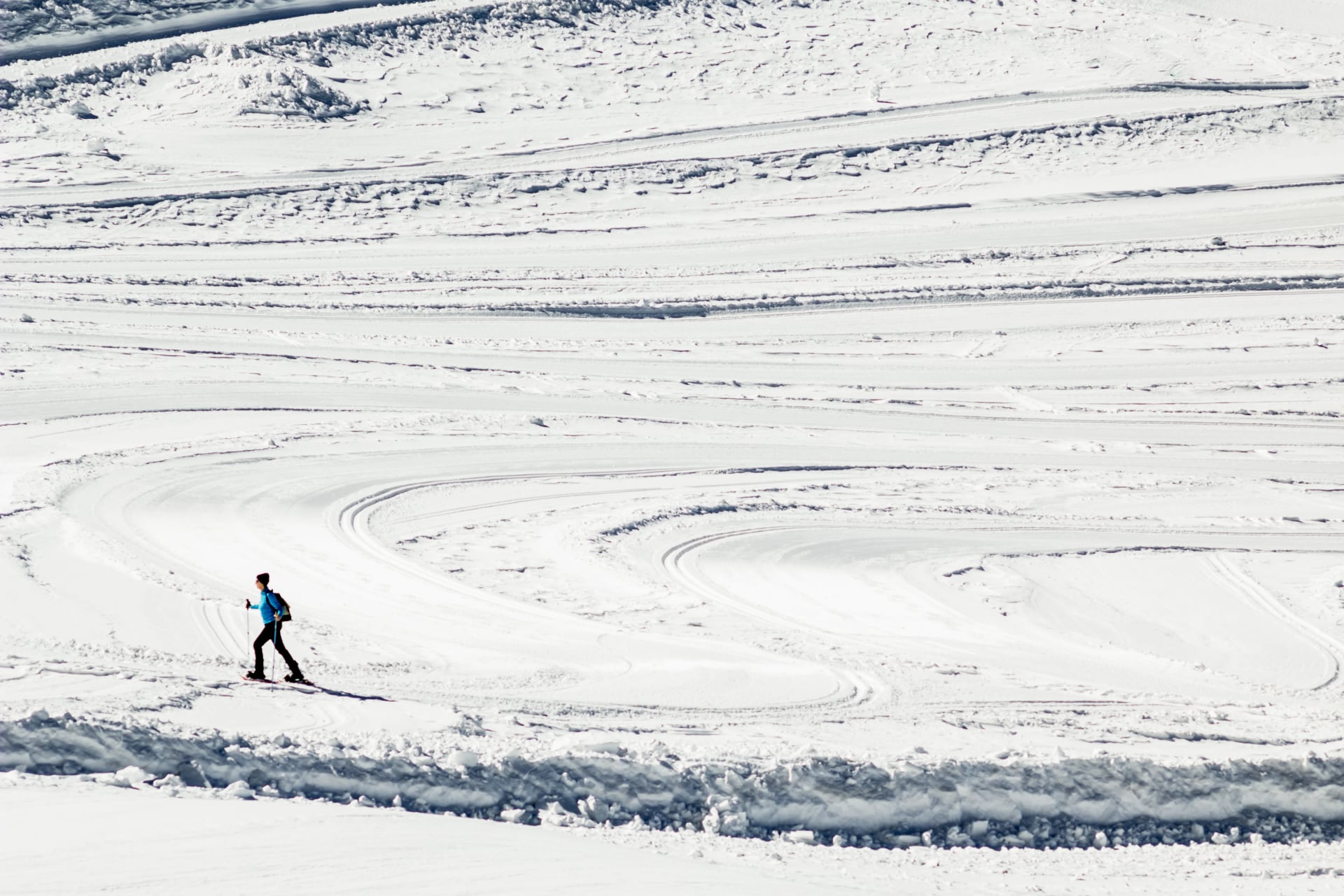
Cross-country skiing through scenic valleys and forest trails
Snowshoeing on marked winter routes at accessible elevations
Ski touring and ski mountaineering for experienced winter alpinists
Ice climbing on frozen waterfalls (for experts)
Cozy Alpine villages with traditional Christmas markets throughout December
Major Austrian Ski Regions
Arlberg (St. Anton, Lech, Zürs, Stuben)—Austria's most prestigious ski area
Kitzbühel and SkiWelt—legendary slopes with traditional charm
Zillertal Arena—massive interconnected ski area
Stubai Glacier—year-round skiing including summer
Sölden and Ötztal—dramatic high-altitude terrain
Salzburg ski regions—including Obertauern and Salzburger Sportwelt
Innsbruck ski areas—including Nordkette and Stubai
If you're visiting Austria during winter months, explore our ski holiday packages in Austria for comprehensive winter itineraries that include accommodations, lift passes, equipment rental, and local mountain expertise.
Best for: Skiers, snowboarders, winter sports enthusiasts, anyone seeking a completely different Alpine experience, families enjoying winter holidays
Not suitable for: Summer hiking (mountain huts are closed, trails are buried under significant snow, avalanche danger is serious and requires expert assessment)
When the season shifts: The transition from winter to summer happens surprisingly quickly in late May. Snow melts rapidly at lower elevations, mountain huts begin preparations to reopen, and by the final days of May, some valley and lower-elevation trails become accessible again. But June remains the reliable start of Austria's true hiking season.
Best Months by Austrian Region
Different regions of Austria's Alps have distinct characteristics that make certain months particularly ideal:
Tyrol & Ötztal Alps
Best months: Late June through mid-September for high Alpine routes like Stubai Höhenweg and Ötztal Trek
Peak wildflowers: Mid-to-late June when Alpine meadows explode with color
Autumn colors: Late September when larch forests turn golden across valley slopes
Hohe Tauern (including Grossglockner region)
Best months: July through early September due to higher elevations and glacier proximity
Optimal weather window: Late July through August for most stable conditions at altitude
Wildlife spotting: Early September when ibex and chamois are most active
Zillertal Alps
Best months: Mid-June through September for circuits like Berliner Höhenweg
Shoulder season advantage: Early June and late September offer excellent conditions with minimal crowds
Photography: September delivers exceptional light and autumn larch colors
Salzkammergut & Lower Alps
Extended season: Late May through October due to lower elevations
Best months: May-June for spring bloom and September-October for autumn colors
Summer alternative: Ideal July-August escape when high Alps are crowded
Carinthia & Nockberge
Best months: June through September with gentler terrain accessible earlier
Peak season: July-August for warmest swimming in Alpine lakes
Autumn showcase: Late September through early October for spectacular larch colors
Vorarlberg & Lechtal Alps
Best months: Late June through September for high routes
Wildflower peak: Mid-June when Alpine pastures reach maximum bloom
Fewer crowds: Early June and September due to more remote location
Weather Patterns & What to Pack
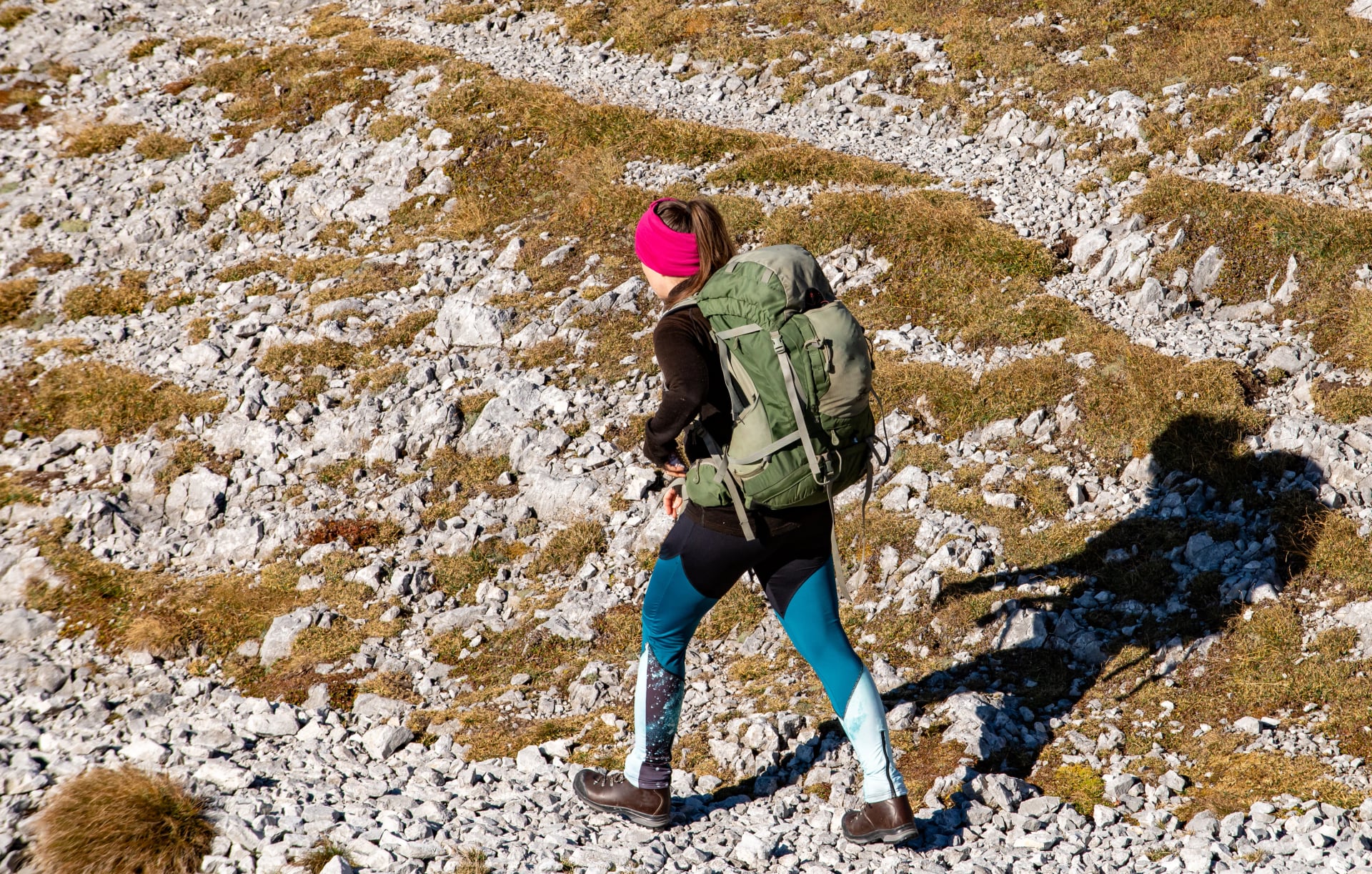
When preparing you need to pack appropriately, and make better decisions on the trail—regardless of which month you choose for your adventure. Here are some of the main weather insights to keep in mind:
1. Altitude matters significantly
Temperature drops approximately 6°C for every 1,000 meters of elevation gain. This isn't theoretical—it's a physical reality you'll feel immediately. A pleasant 20°C afternoon in Innsbruck at 574m elevation translates to roughly 8°C at 2,500m on a high pass. Factor elevation into every clothing decision, especially when planning what to wear for high passes or summit attempts.
2. Afternoon storms dominate the summer months
From June through August, expect thunderstorms developing between 2-5 PM on most days. This pattern is so reliable that experienced Alpine hikers build their entire schedule around it—start hiking early (ideally 7-8 AM), plan to reach your destination or safe shelter by early afternoon, and watch the storms roll through from the protection of a mountain hut or below treeline. Lightning strikes on exposed ridges are genuinely dangerous. Respect the pattern.
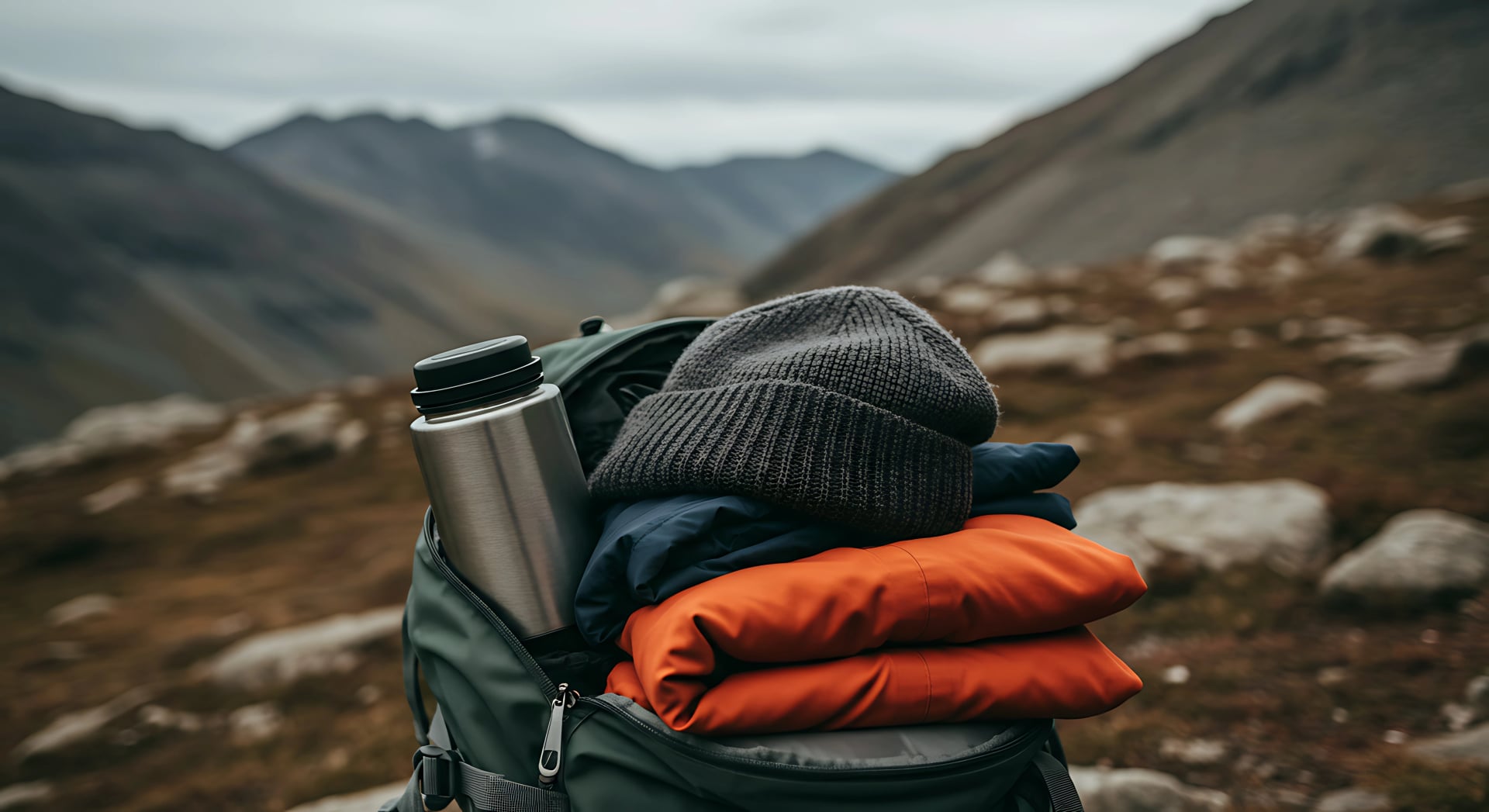
3. Layering remains essential year-round
Mountain weather changes faster and more dramatically than valley weather. Even in warm August, you need a complete layering system that can handle everything from hot valley starts to cold, windy high passes:
Moisture-wicking base layers (merino wool or synthetic—never cotton which holds moisture)
Insulating mid-layer (fleece jacket or lightweight down for warmth without bulk)
Waterproof, breathable shell jacket and pants (quality matters—cheap rain gear fails in Alpine storms)
Warm hat and gloves (yes, even in summer for early mornings, high passes, and unexpected weather)
4. Best weather months overall
Late June and September typically deliver the most stable, clear conditions with the fewest weather surprises. July and August are warmer but bring those predictable daily afternoon storms. September often offers the season's most reliable multi-day stable weather windows.
5. Worst weather months
May (still winter conditions at high altitude), October (increasingly unstable as winter approaches), and November (full winter arrives with snow and cold). These months demand maximum flexibility, strong weather assessment skills, and willingness to change or abandon plans.
For complete packing guidance tailored to Austrian Alpine conditions, see our ultimate Austrian hiking guide.
Crowds & Booking Considerations
Timing affects far more than just weather and trail conditions—it shapes your entire mountain experience, including how crowded trails feel, mountain hut availability, accommodation prices, and the overall atmosphere on popular routes.
Busiest Times
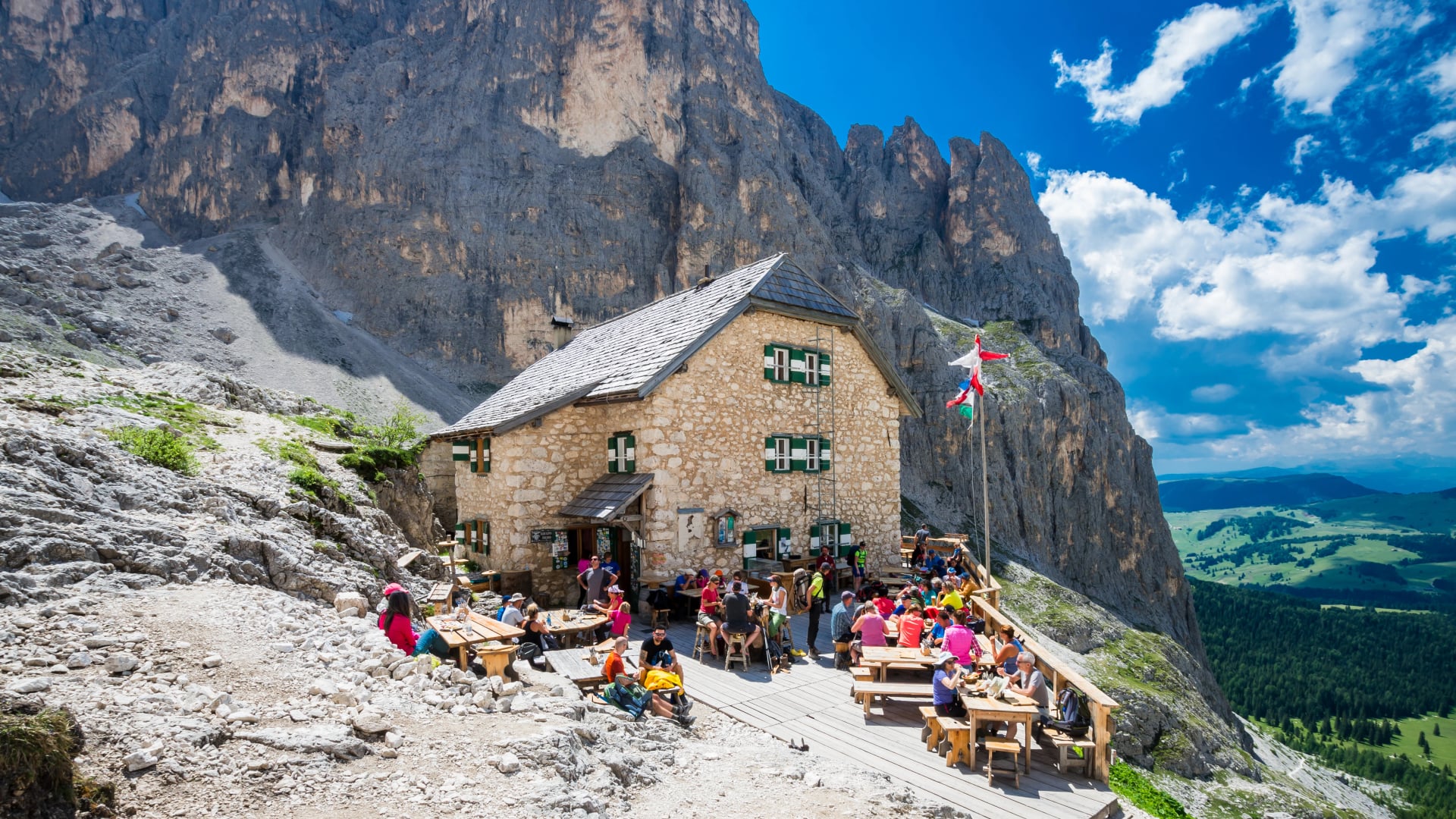
July 15 through August 31 represents absolute peak season when trails, huts, and mountain services operate at maximum capacity
Weekends throughout June and September see significantly more traffic than weekdays as European hikers take advantage of long weekends
Austrian school holidays vary slightly by province but generally run mid-July through early September, with peak family travel mid-July through mid-August
Quietest Times
First two weeks of June before school holidays begin and before most families start traveling
Mid-September onwards after schools restart across Austria and Germany, when trail traffic drops dramatically
Weekdays throughout the entire season offer noticeably fewer people than weekends—if your schedule allows midweek hiking, you'll have a superior experience
Booking timeline recommendations by month:
July-August (peak season): Book mountain huts 3-5 months in advance—ideally by March or April for popular routes like Stubai Höhenweg, Berliner Höhenweg, Venediger Höhenweg, and sections of the Adlerweg. Some huts sell out completely for peak weeks. Early booking is essential, not optional.
June and early September (shoulder season): Book mountain huts 2-3 months ahead. You have significantly more flexibility than peak summer, but popular huts on major routes still fill up, especially for weekends. Don't assume last-minute availability.
Late September and October (late shoulder): Book 4-6 weeks ahead. Fewer huts remain open, which limits options, but availability at operating huts is generally good for those that maintain services into autumn.
Weekend versus weekday strategy:
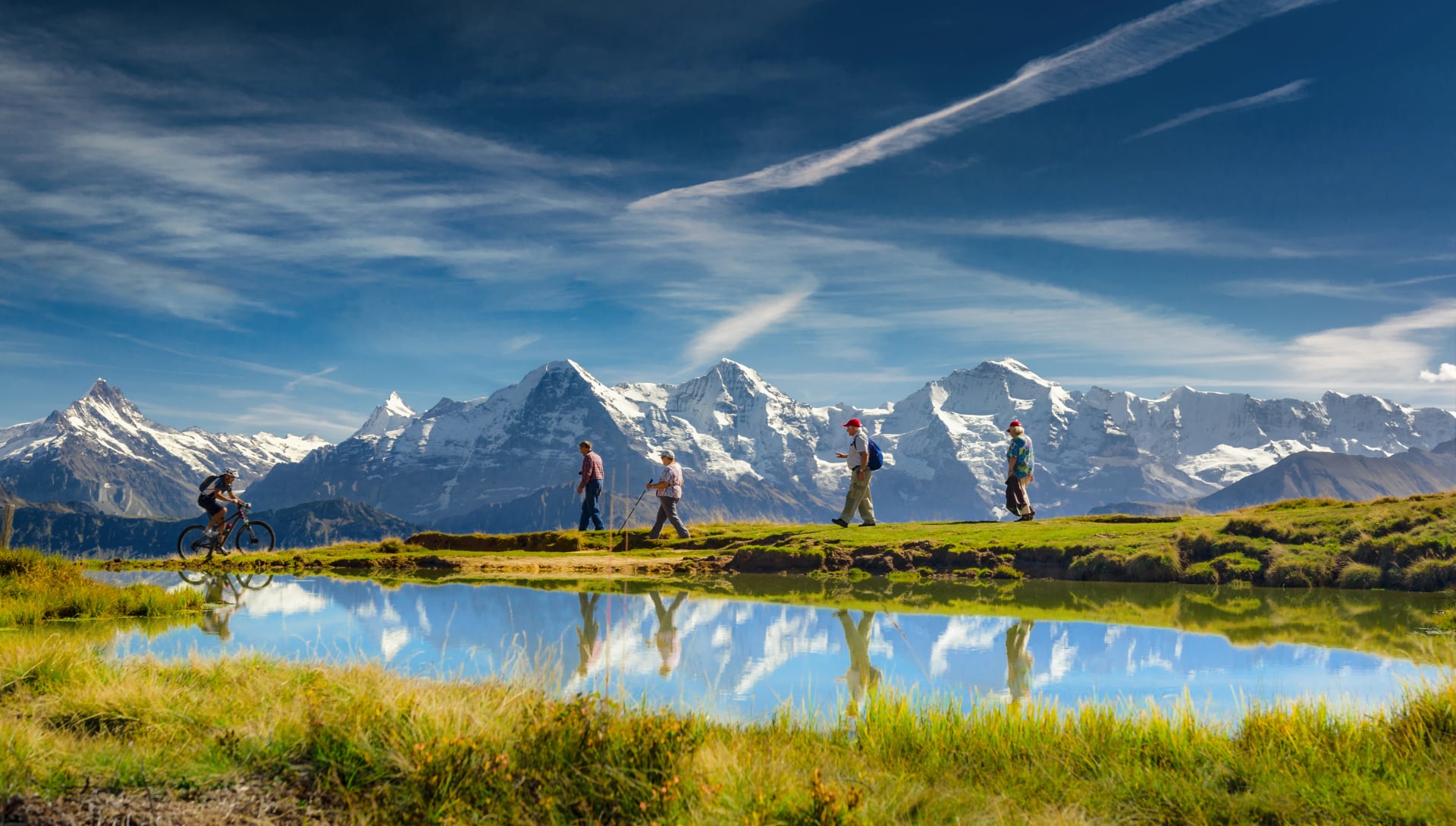
If your schedule offers any flexibility, start your trek on weekdays (Monday through Thursday) rather than Friday or Saturday. Weekend arrivals at mountain huts mean noticeably more crowds, less availability, and a busier atmosphere. Midweek trekking consistently delivers a quieter, more contemplative experience.
Our tours handle all mountain hut bookings, timing logistics, and seasonal planning coordination—you simply choose your preferred dates and route, and we secure everything. Browse our complete tour collection to explore options across the entire Austrian hiking season.
When to Go Hiking?
There's no universal "best" time to hike Austria's Alps—only the best time for your specific priorities, experience level, and what you hope to experience in these magnificent mountains.
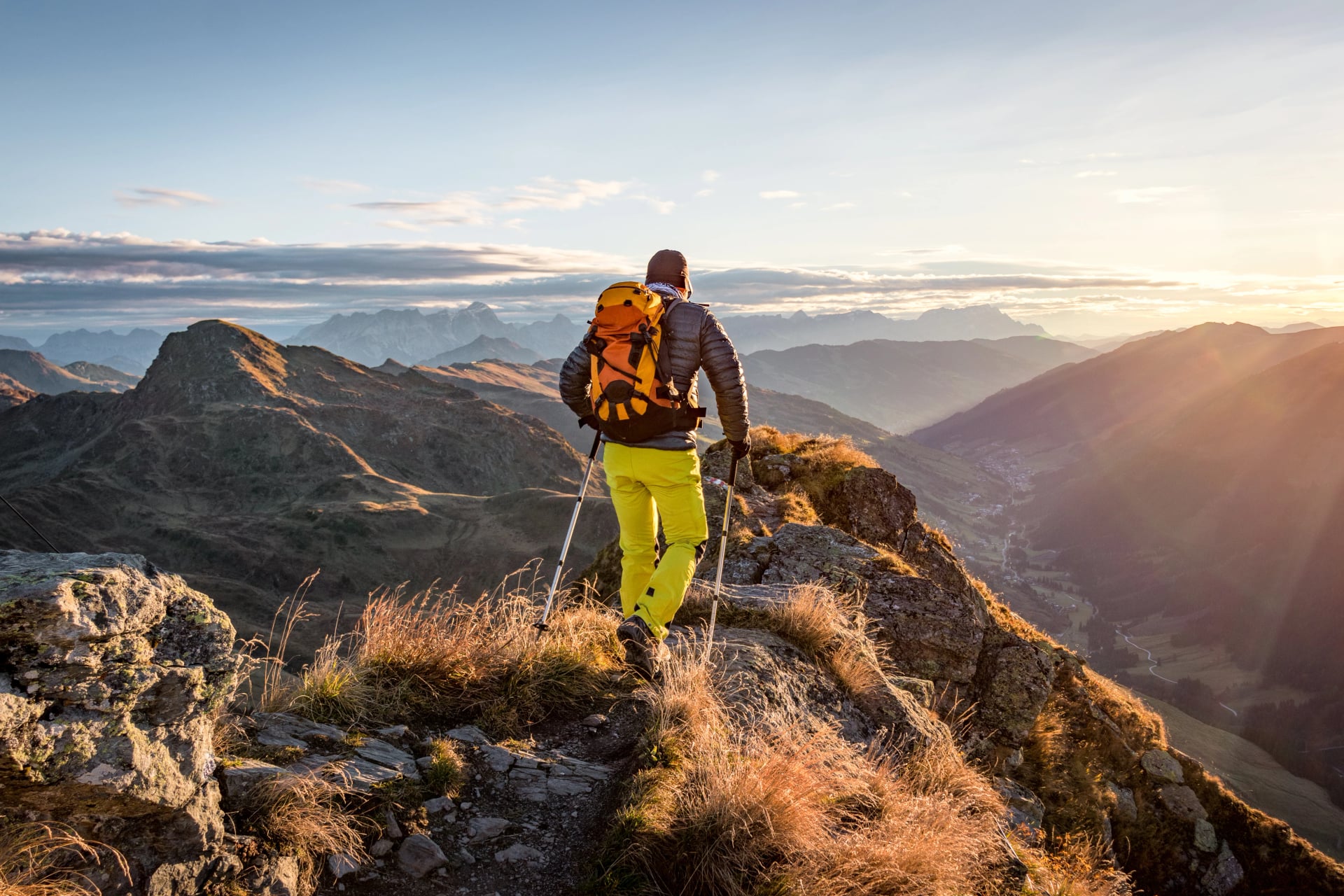
For maximum weather certainty and full mountain services: Late June through August
For fewer crowds combined with lower prices: Early June or September (first three weeks)
For spectacular autumn colors and photography: Late September through early October
For winter sports and skiing: December through March—better for ski holidays
For peak Alpine wildflower displays: Mid-to-late June
For the optimal balance of stable weather and genuine solitude: First three weeks of September
For challenging yourself on Austria's best peaks: July through early September—see our guide to Austria's best peaks
Looking for help planning your Austrian hiking adventure? Explore our hiking tours in Austria covering classic routes and hidden gems, check out our top 5 treks in Austria for inspiration, or schedule a meeting to discuss timing, routes, and logistics with our team.
If you have questions about when to visit or which routes suit your experience level - get in touch with us and we'll help you plan the perfect Austrian hike.



Plan with a hiking expert
Free advice from a team that knows these routes inside out - real people, not a bot
.svg)
VALUE YOUR TIME
With everything on your plate, let us handle the vacation planning, so your valuable time stays exactly where you need it.
.svg)
TRIED & TESTED ADVENTURES
Only the best hut to hut hikes of Austria, cherry-picked by our local team with an in-depth knowledge of the region.
.svg)
TRUSTED BY MANY
We are a financially protected company operating since 2014, and with thousands of satisfied customers in the past, we still put you first.

SELF-GUIDED TRAVEL
Explore independently and with confidence while we keep everything running from behind the scenes.
.svg)
OUTDOOR SPECIALISTS
We are a team of outdoor specialists equipped with the knowledge and insight to bring you the best hiking experiences.