Best Mountain Huts in Austria's Hiking Regions: Where to Stay for Alpine Adventures

From accessible valley lodges to dramatic high-altitude refuges, discover Austria's most spectacular mountain huts across six distinct Alpine regions.

Anja

January 9, 2026

8 min read

Hero Image
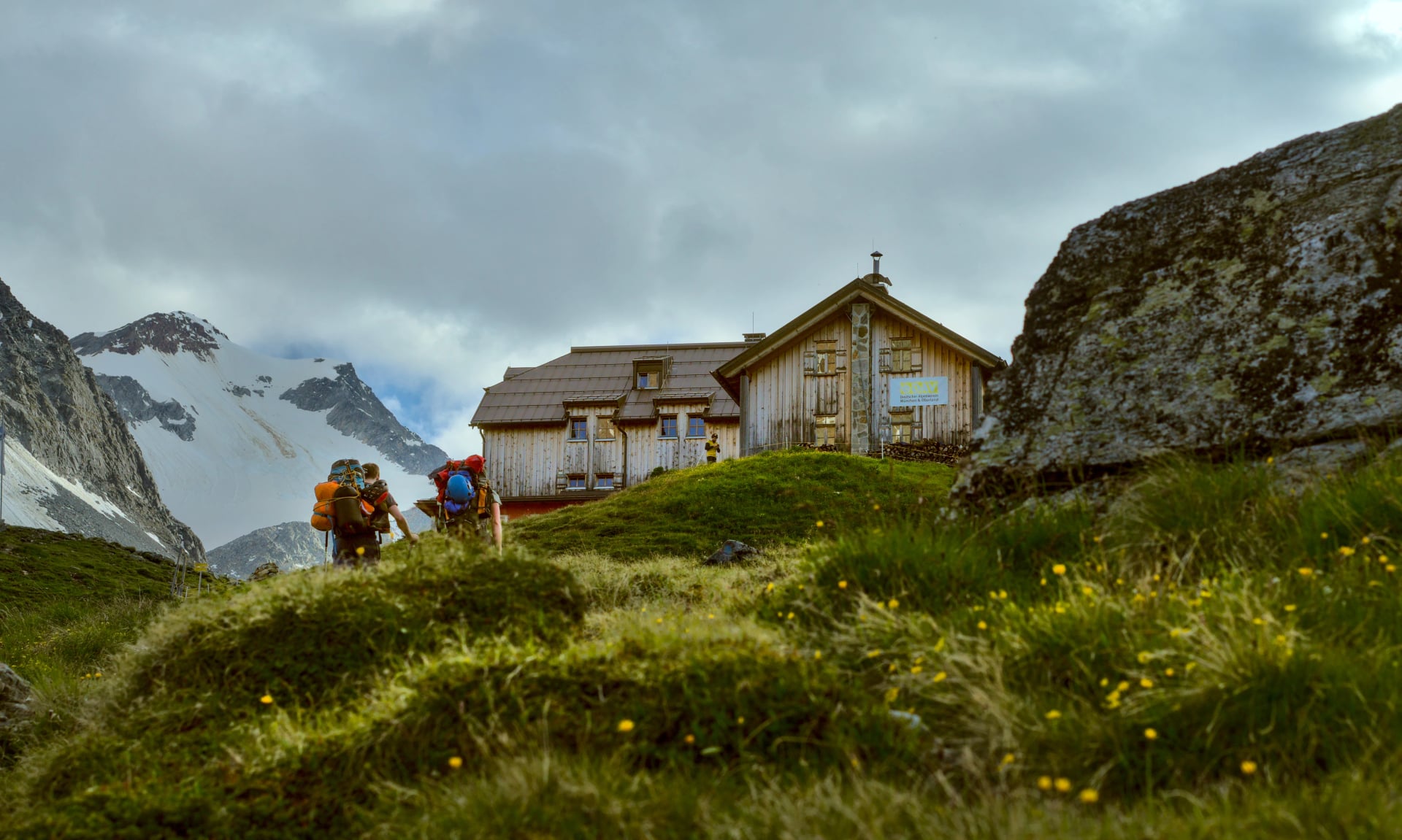
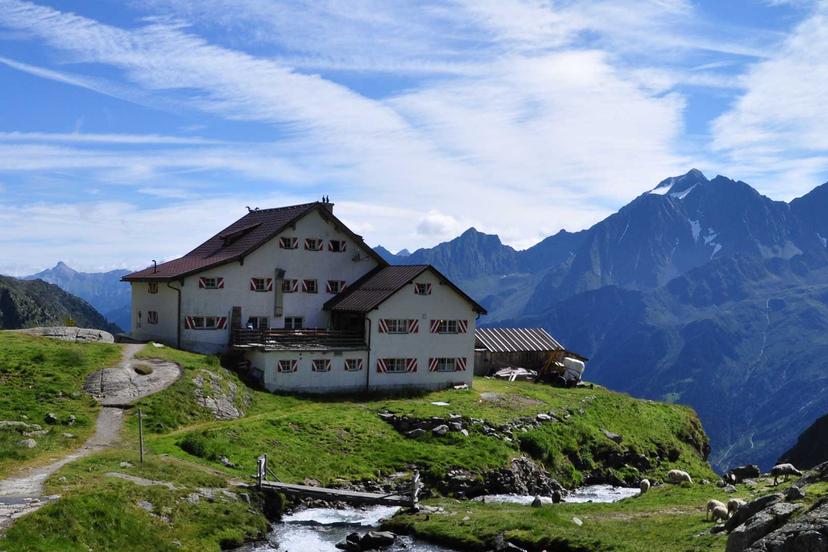
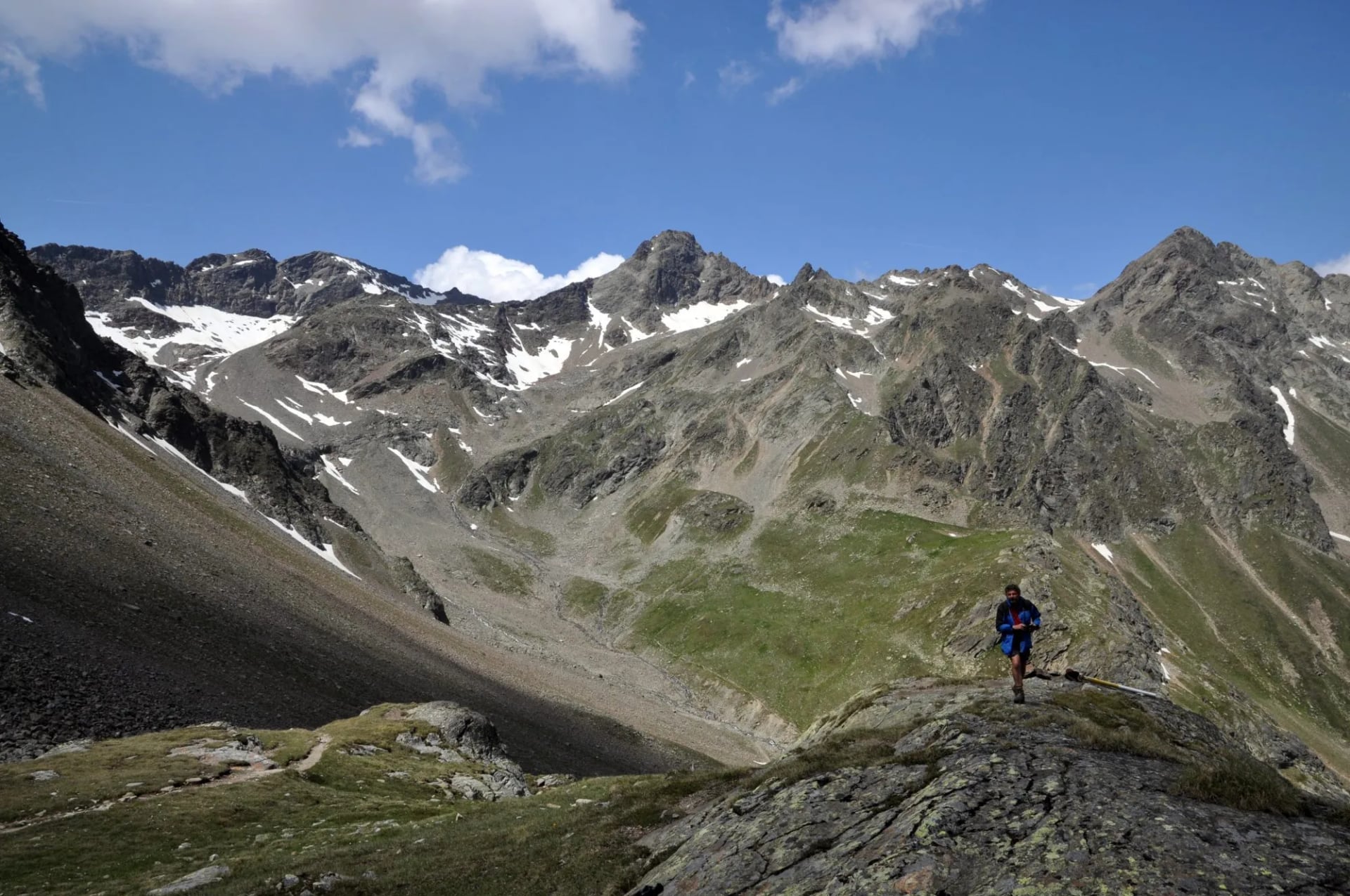
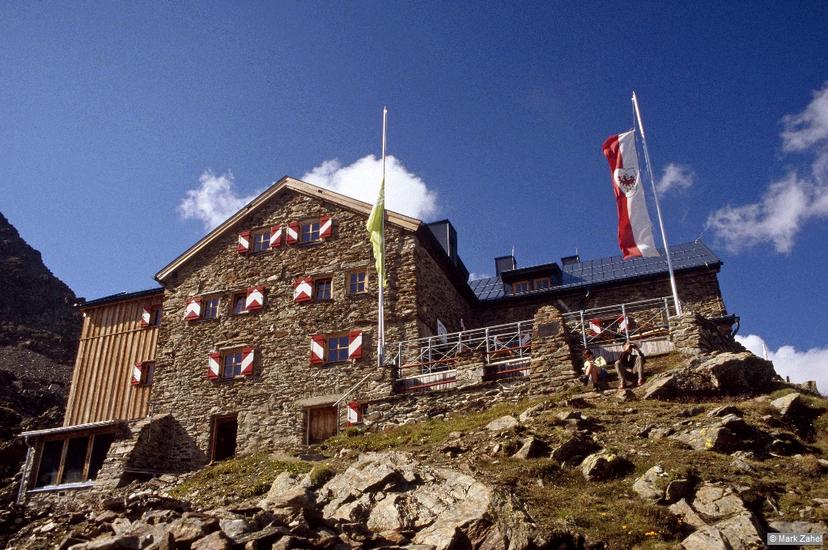
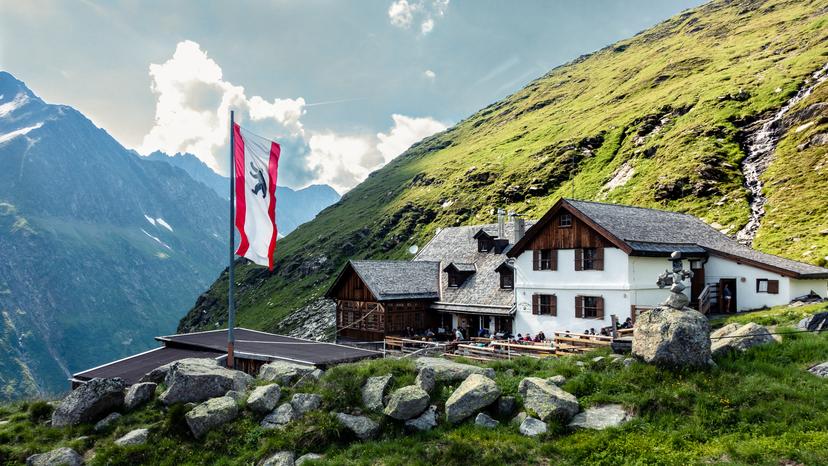
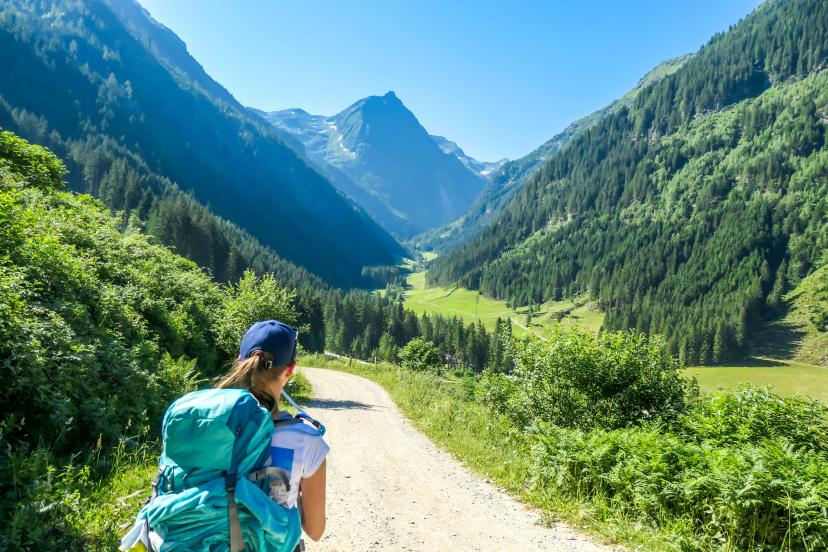
hikers on their way to the Taschachhaus mountain hut in Pitztal, Alps, Austria
Reaching a mountain hut at the end of a trek feels like arriving exactly where you’re meant to be

Austria offers two primary approaches: establish a base in valley hotels and explore different trails daily, or embark on hut-to-hut treks staying in mountain refuges each night. Many experienced hikers blend both styles.

This guide covers accommodation styles, which regions deliver the best hiking, the most spectacular mountain huts in each area, and how to choose based on your goals.

Two Approaches to Staying in the Austrian Alps

1. Valley-Based Hotel Hiking
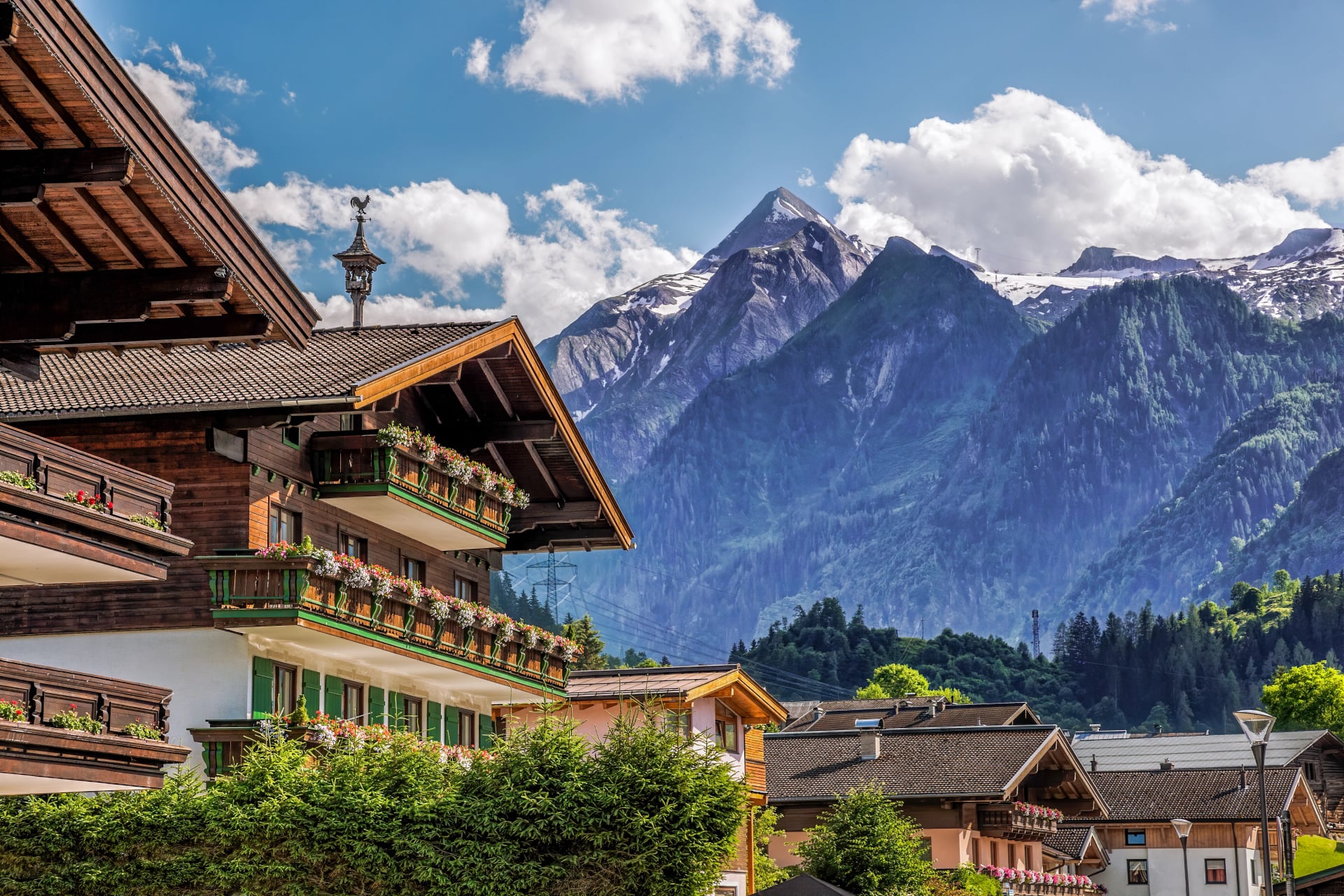
Kaprun village with typical pension against Kitzsteinhorn glacier in Salcburg region, Austrian Alps
Easy access to lifts, trails, cafés, and quiet evenings back in the same room

Settle into a hotel for several nights while exploring different trails each day via shuttle buses, cable cars, or direct town access. You return each evening to the same bed, private bathroom, and restaurant. Your accommodation stays constant while daily adventures vary—one day you tackle a high pass, the next you explore valleys, the third you ride cable cars and hike ridges.

Ideal for: Families with children, first-time Alpine visitors, those prioritizing comfort and flexibility, anyone valuing private rooms and hot showers.

2. Hut-to-Hut Mountain Trekking

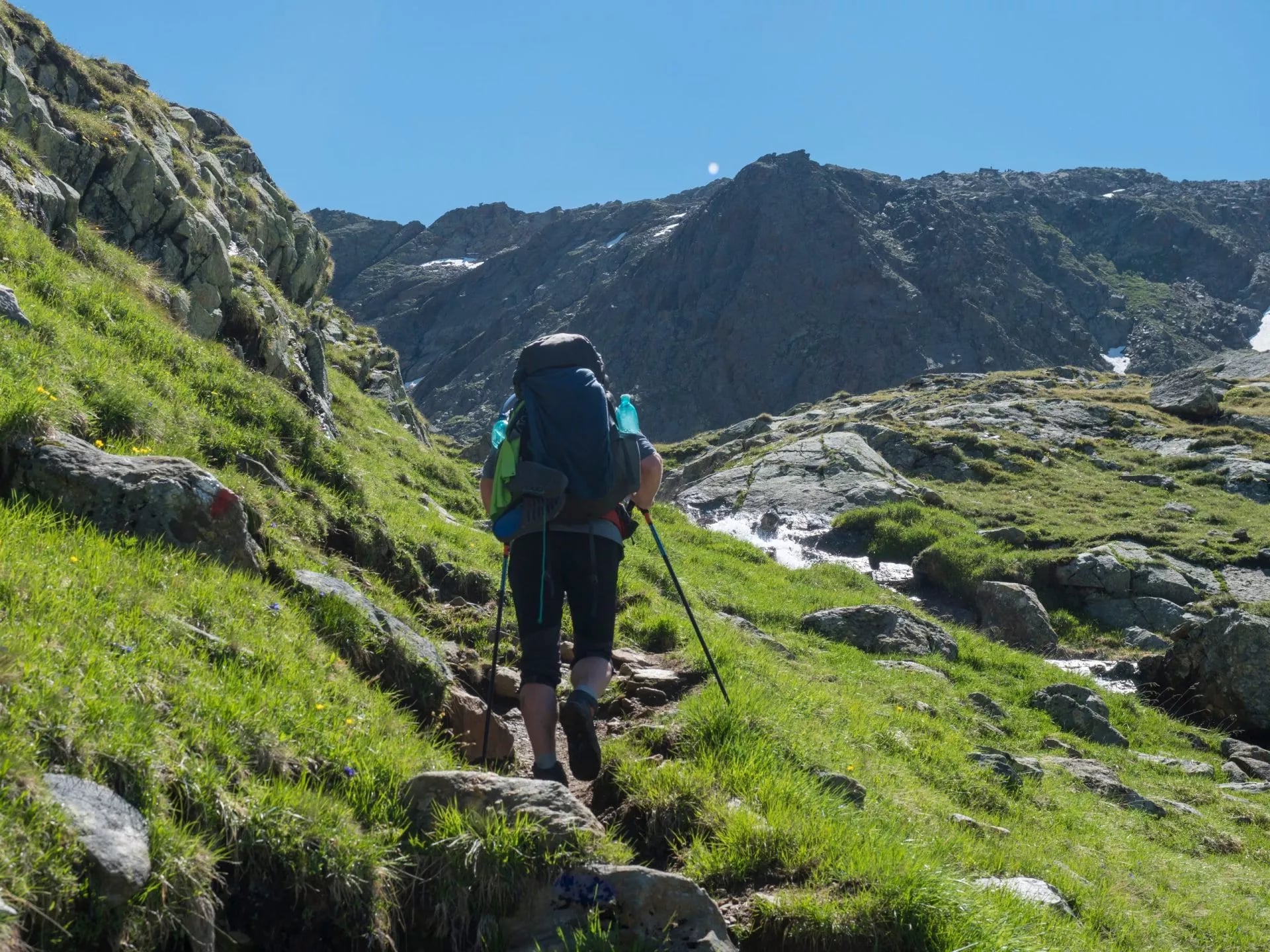
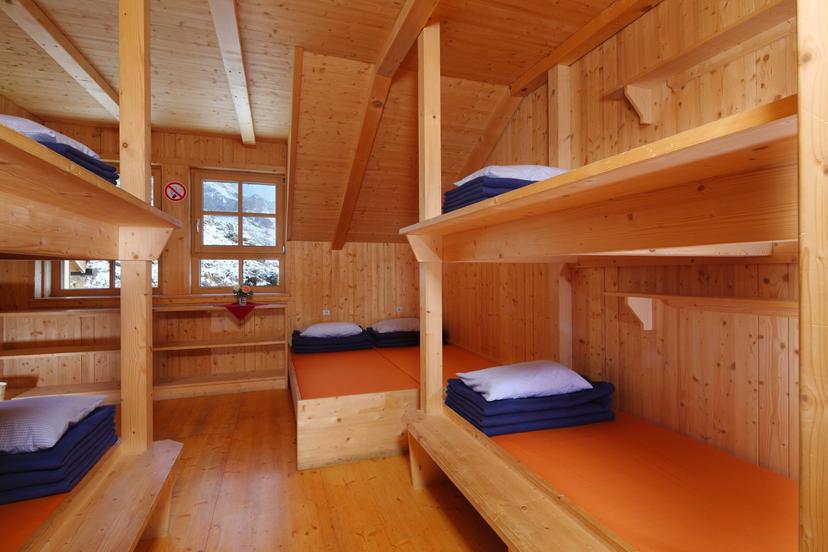
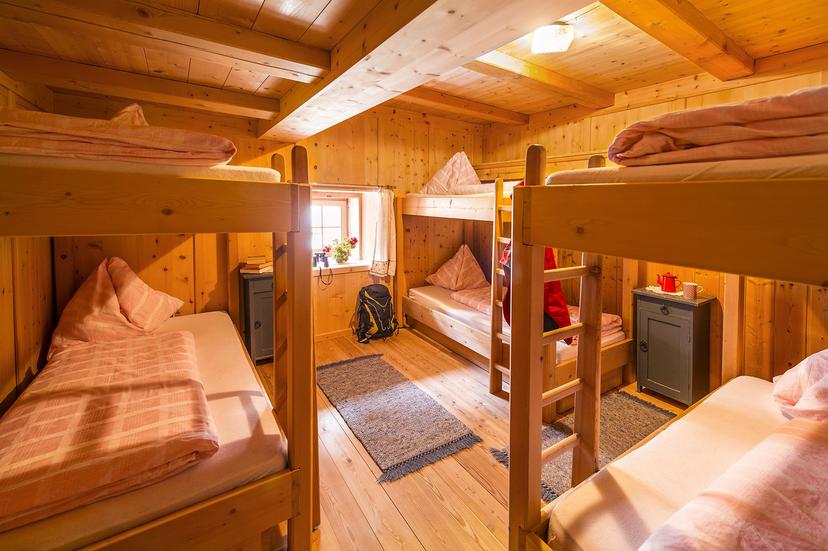
Progress to a different mountain hut each night on established routes like the Stubai Höhenweg or Adlerweg. You carry only a daypack—no tent or sleeping bag needed since huts provide beds, blankets, and meals—hiking 5-8 hours daily and sleeping in dormitories alongside fellow trekkers. Each morning you wake already immersed in mountains.
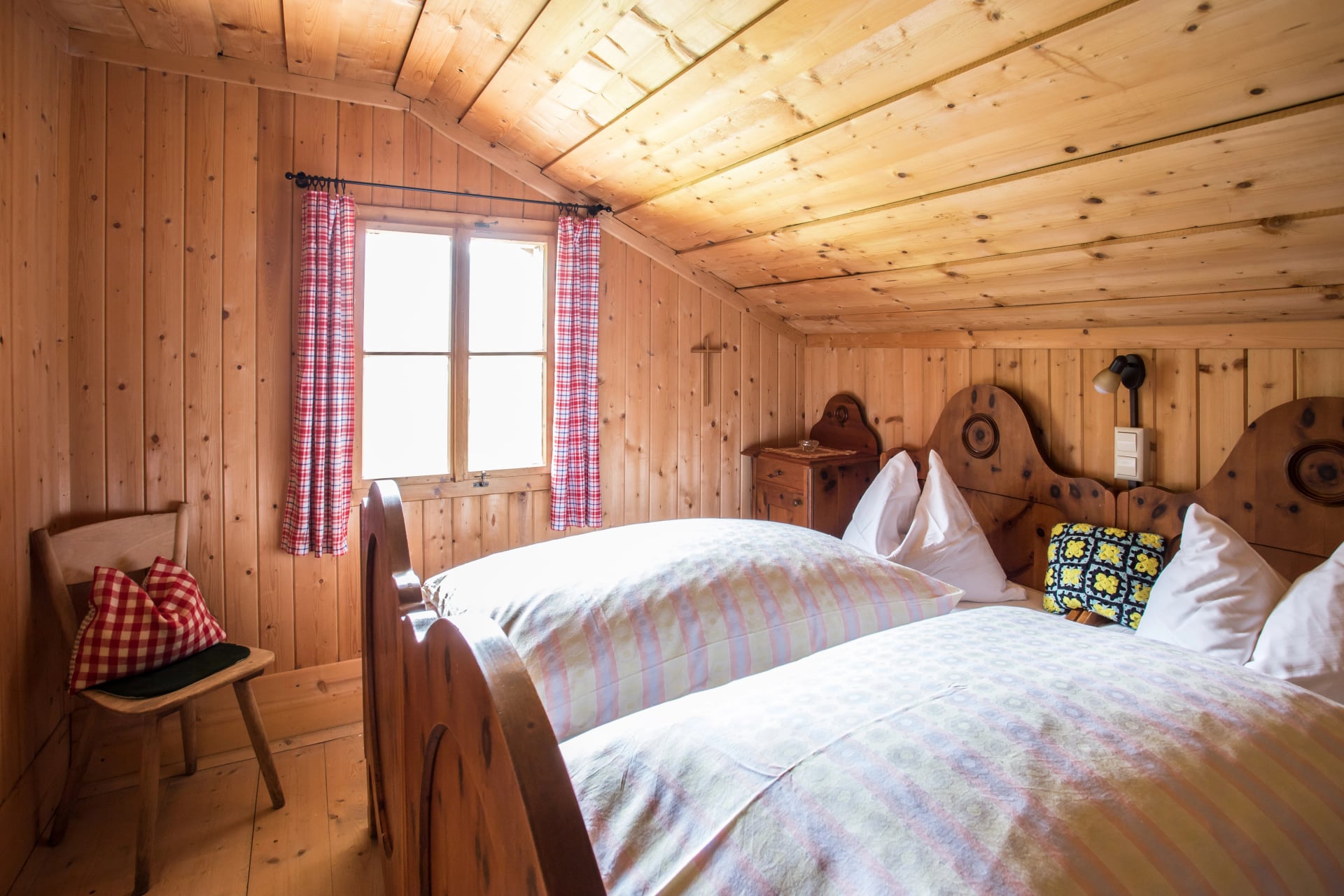
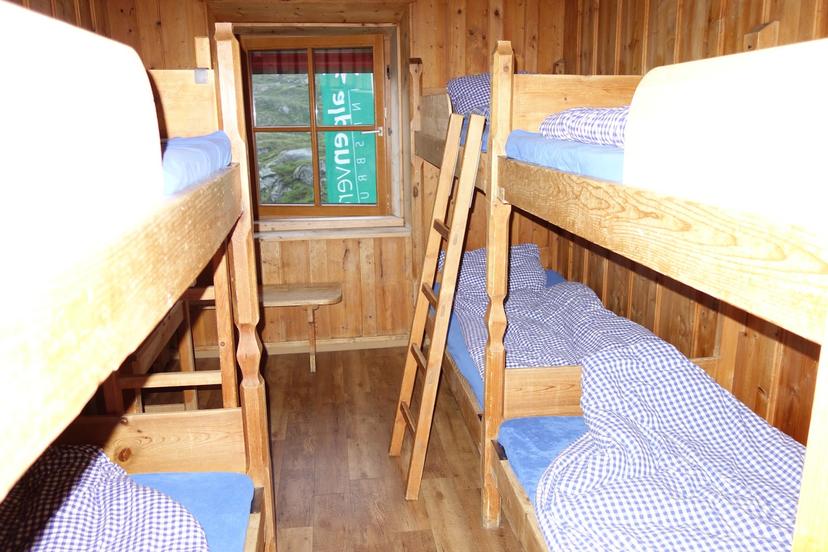
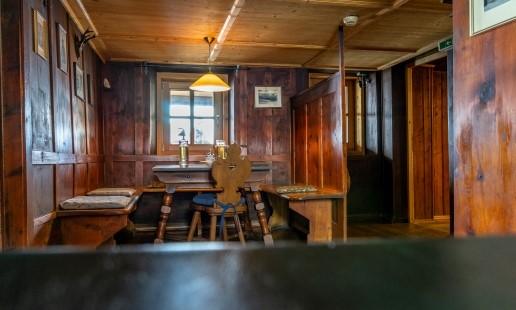
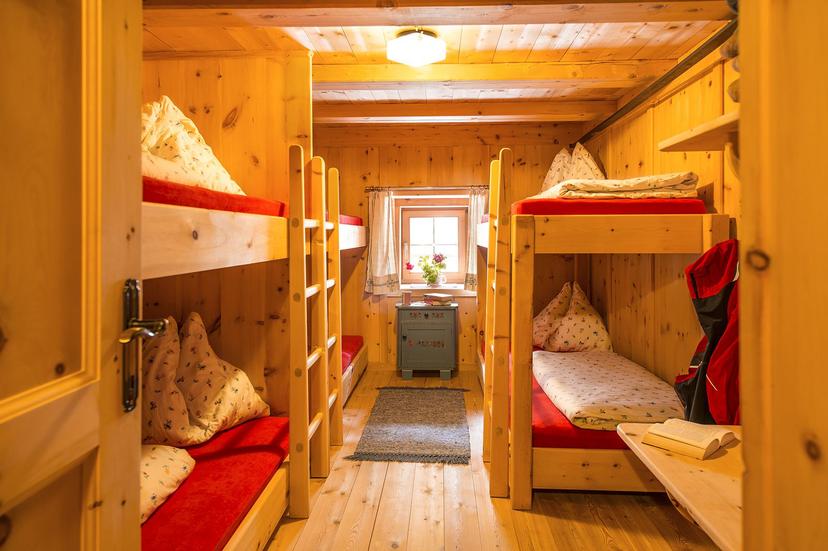
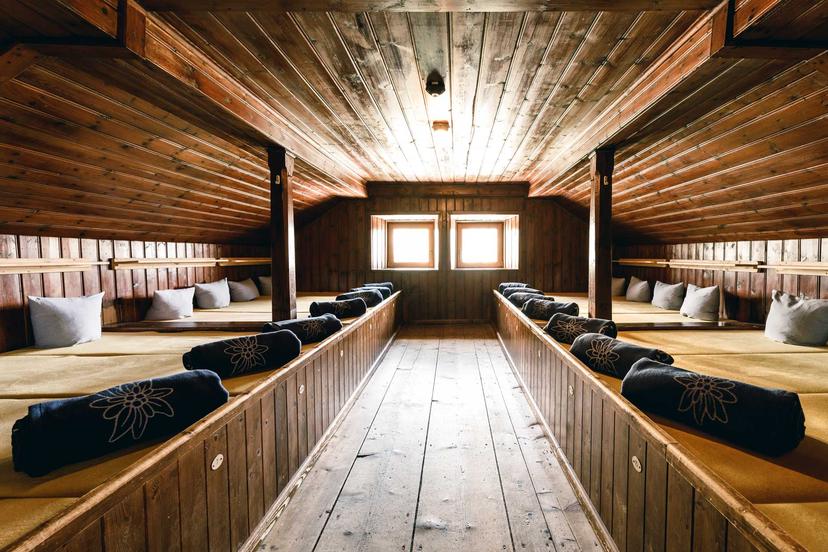
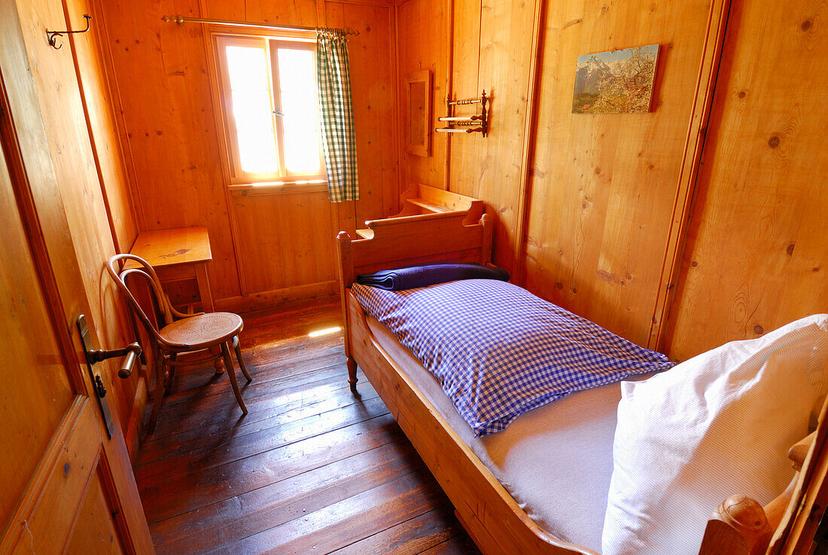
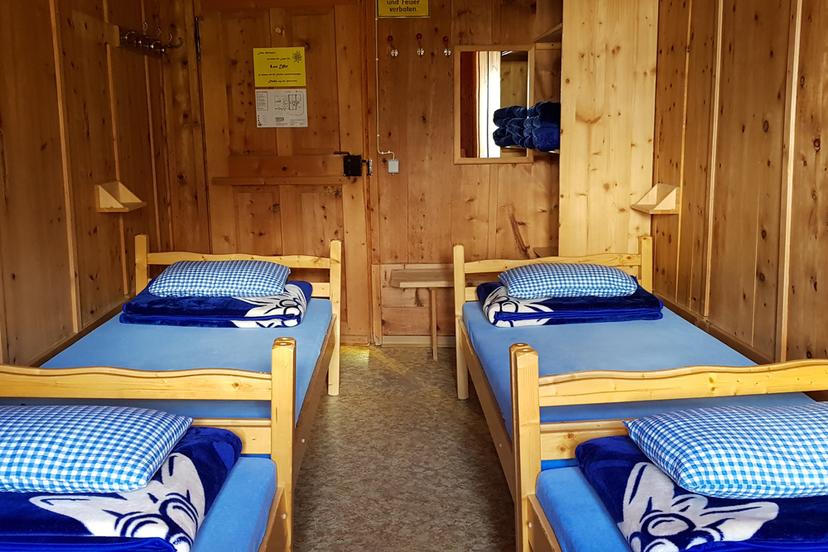
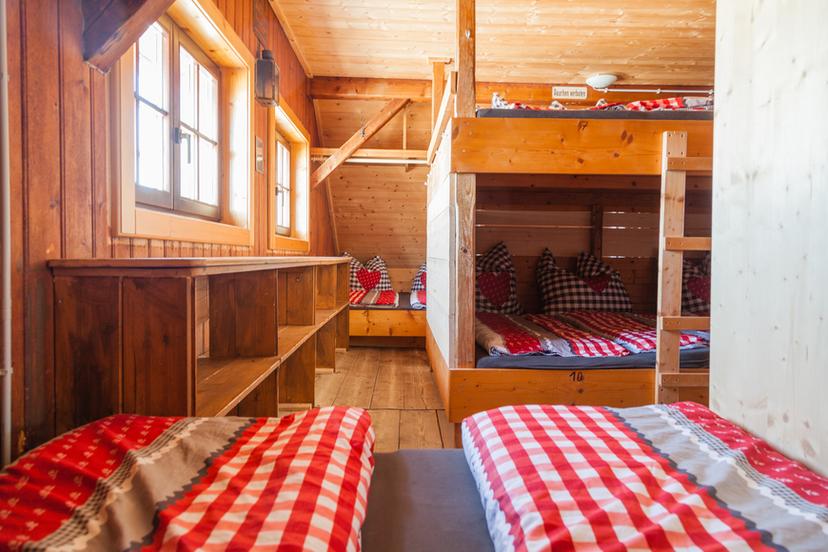
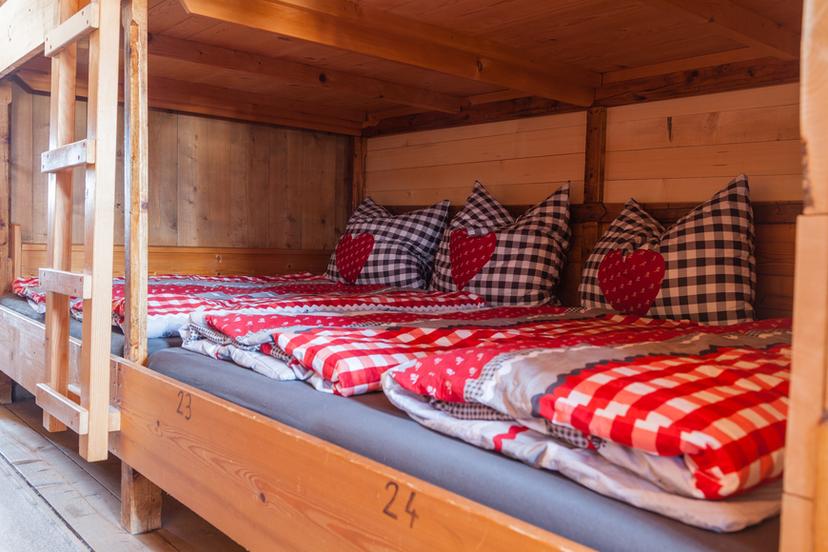
Holiday in the mountains: Rustic old wooden interior of a cabin or alpine hut
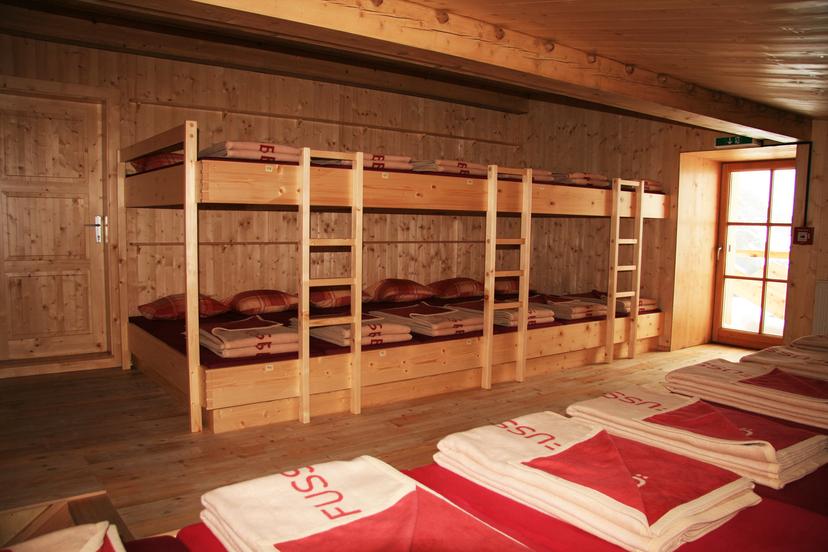
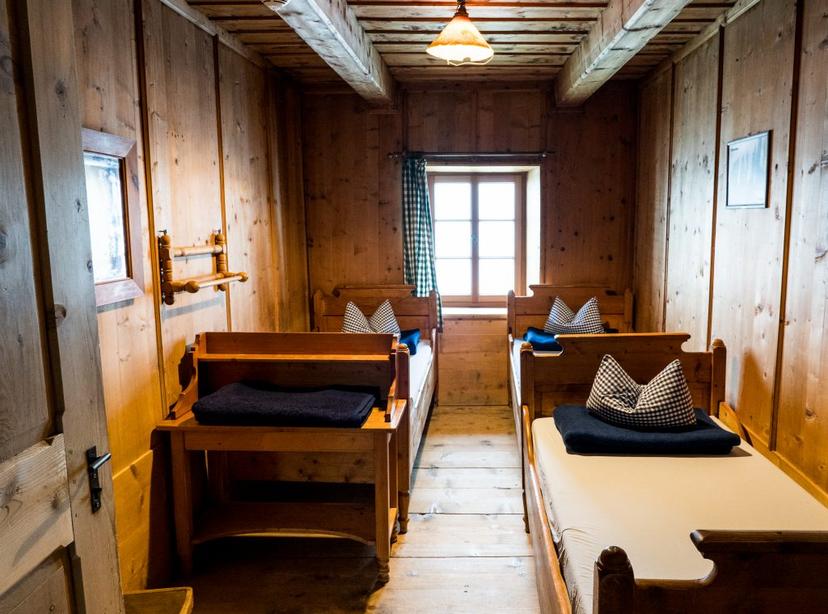
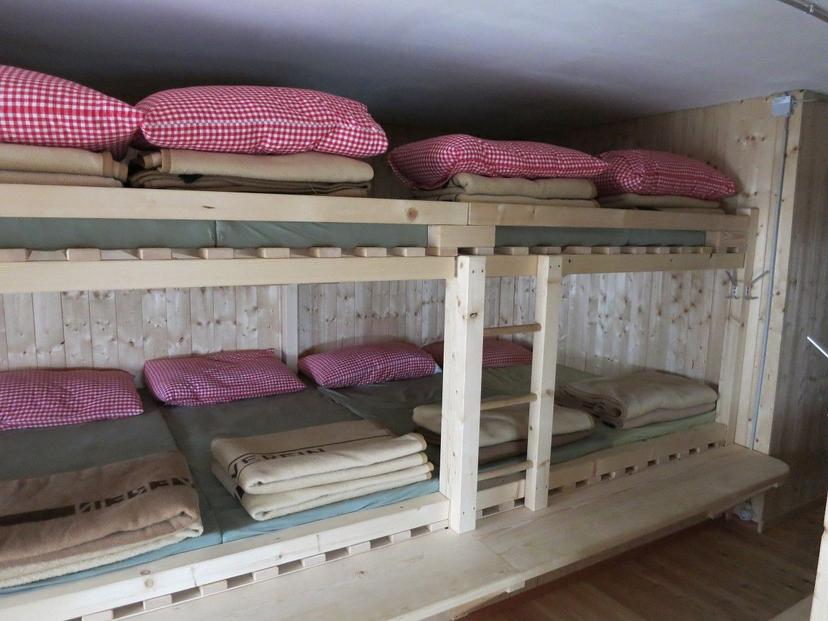
Solid beds, thick blankets, and the kind of sleep that only comes after a full day on the trail

The Combined Approach

Most experienced Alpine trekkers blend both: 2-3 nights in a valley hotel to acclimatize, 7-9 nights of hut-to-hut trekking. This delivers comfort at the start and finish while providing authentic high-mountain experience in between. Our team can tailor the stays according to your wishes.

Which Austrian Region Should You Choose?

The Austrian Alps span roughly 60% of the entire country covering dramatically different landscapes. Your location depends on which peaks interest you most.

  1. Tyrol & Stubai Alps: High-altitude glacier views, challenging Alpine routes, excellent hut infrastructure. Busier during peak season but spectacular glaciated scenery with reliable facilities.

  2. Hohe Tauern & Grossglockner Region: Austria's highest peaks, national park wilderness, wildlife spotting. Home to Grossglockner (3,798m) with protected wilderness and exceptional biodiversity.

  3. Karwendel & Northern Limestone Alps: Dramatic white limestone faces, proximity to Innsbruck, varied difficulty levels. Accessible from cities with excellent transport, distinct pale rock contrasting with dark forests.

  4. Zillertal Alps: Remote valley approaches, challenging routes, authentic atmosphere. Less internationally famous but equally spectacular with traditional Austrian hospitality.

  5. Salzkammergut & Dachstein Region: Mountain hiking with lake scenery, gentler terrain options, family-friendly routes. Unique Alpine-lake blend with trails from easy lakeside walks to challenging limestone scrambles. Accessible May through October.

  6. Salzburg Alps & Almenweg Region: Alpine pasture hiking at moderate elevations (1,500-2,200m), cultural immersion, gentler multi-day routes. Traditional farming landscapes with excellent hospitality and regional cuisine.
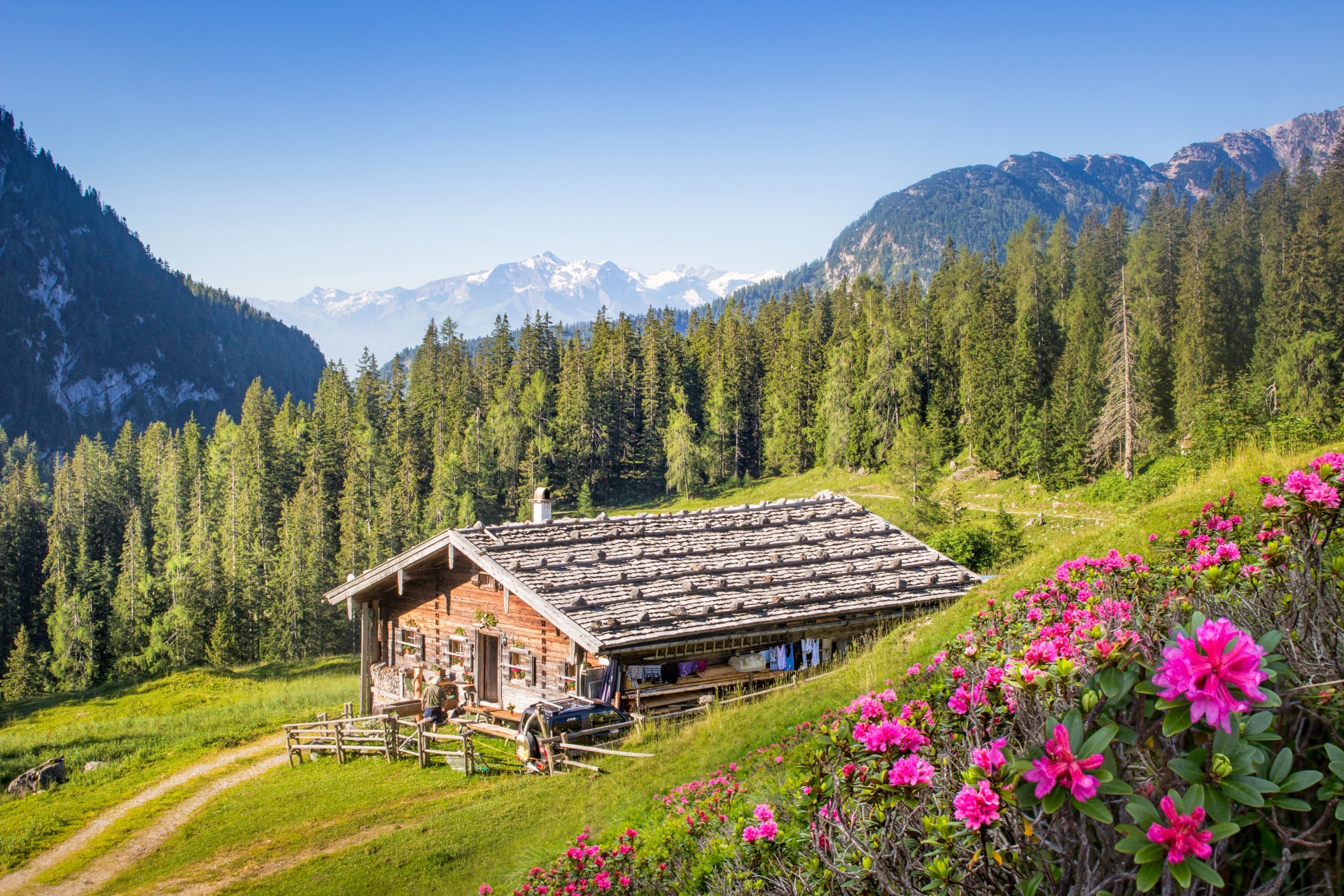
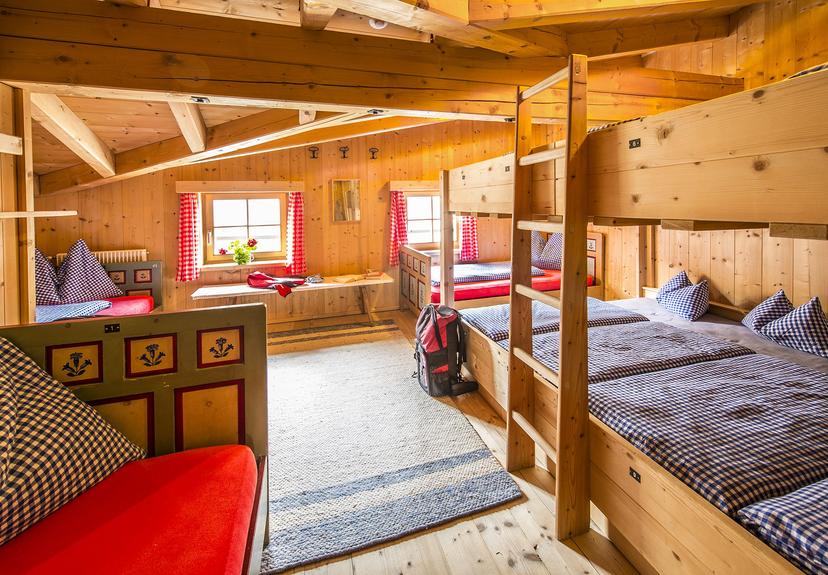
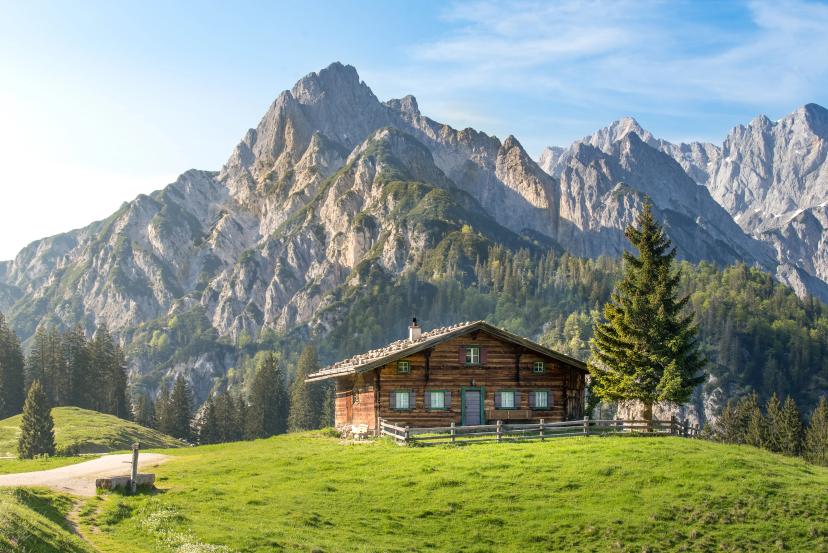
Wooden mountain hut in the alps, Salzburg, Austria
Solid beds, thick blankets, and the kind of sleep that only comes after a full day on the trail

Our recommendation: Start with Tyrol/Stubai Alps or Hohe Tauern regions for outstanding scenery, excellent infrastructure, and enough variety to fill a week.

For detailed seasonal guidance in each region, see our guide to the best time to hike in Austria.

Austria's Best Mountain Huts by Region

Austria's mountain hut system represents over a century of Alpine tradition—more than 500 huts positioned across mountain ranges. The following sections present the finest huts across six major regions, chosen for exceptional locations and memorable atmospheres.

1. Stubai Alps

The Stubai region hosts Austria's most dramatically positioned mountain huts, with refuges at 2,100-2,900m offering direct glacier access and high Alpine passes.

  • Location: South of Innsbruck, central Tyrol

  • Hut elevation range: 2,100-2,900m

  • Number of huts: Approximately 20 across the range

  • Best season: Late June through mid-September

  • Character: High-altitude refuges with glacier access, serious Alpine terrain

  • Notable feature: Austria's largest year-round ski area with summer hiking access

Experience the Stubai Alps in the best huts:

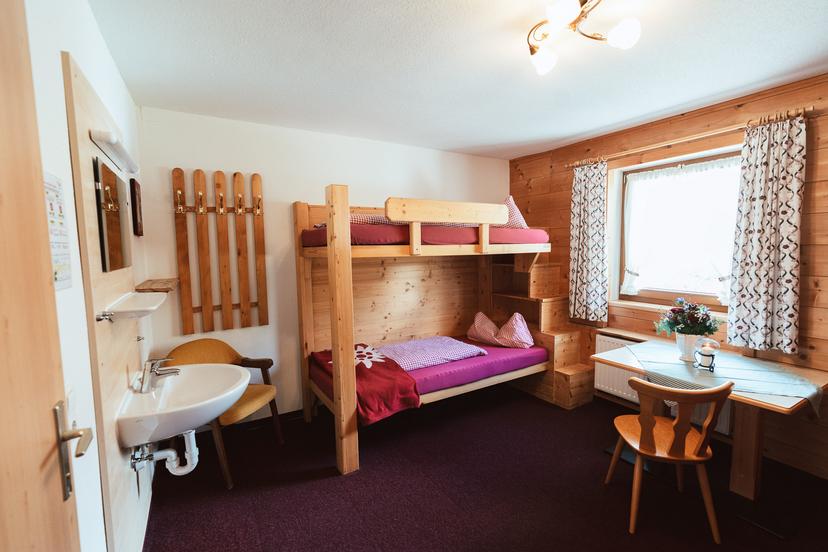
Cozy wooden cabin room with bunk beds, sink, and small dining table.
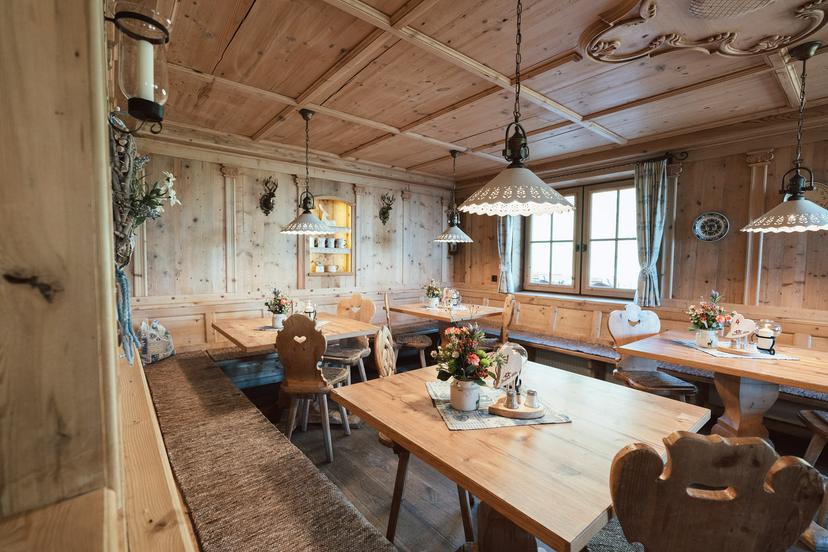
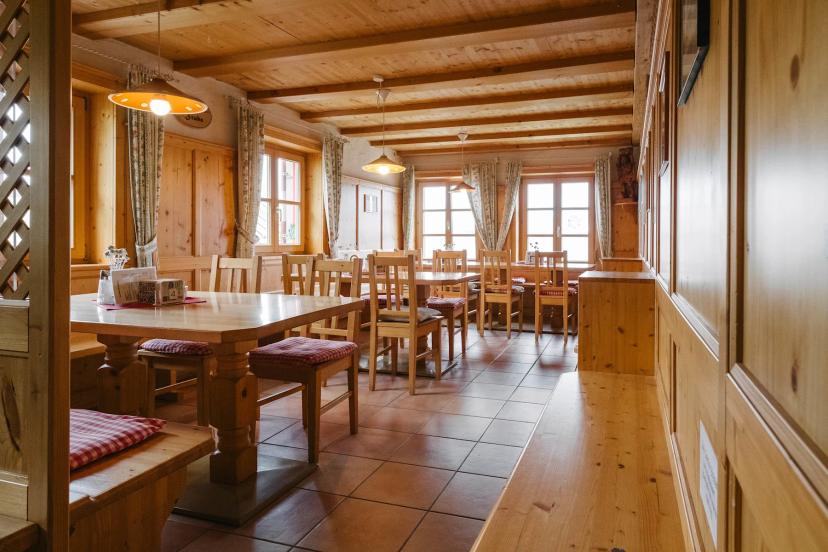
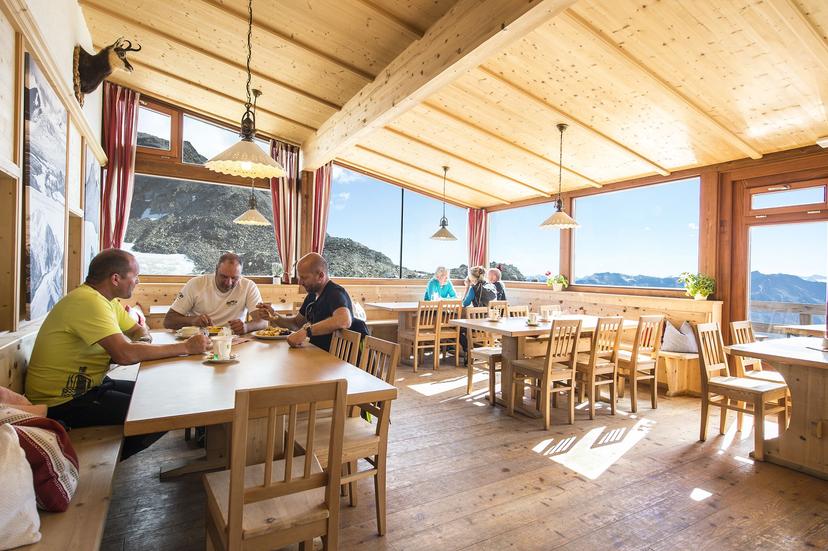
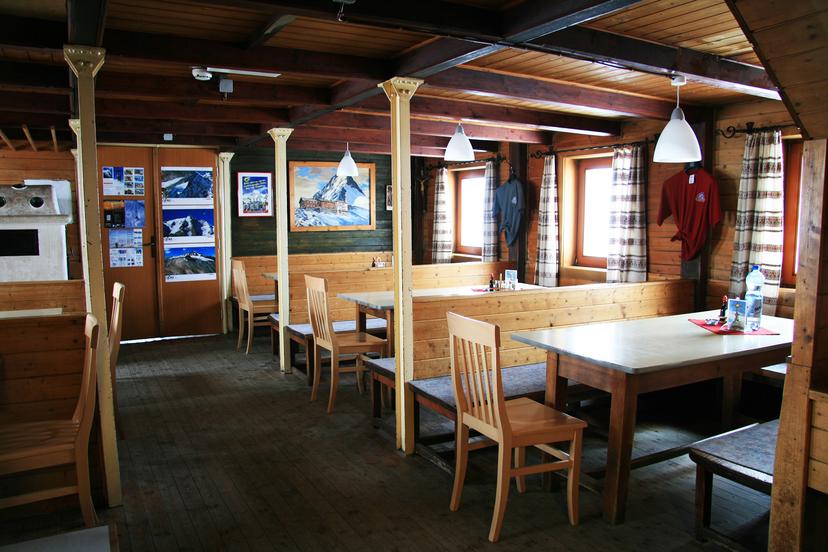
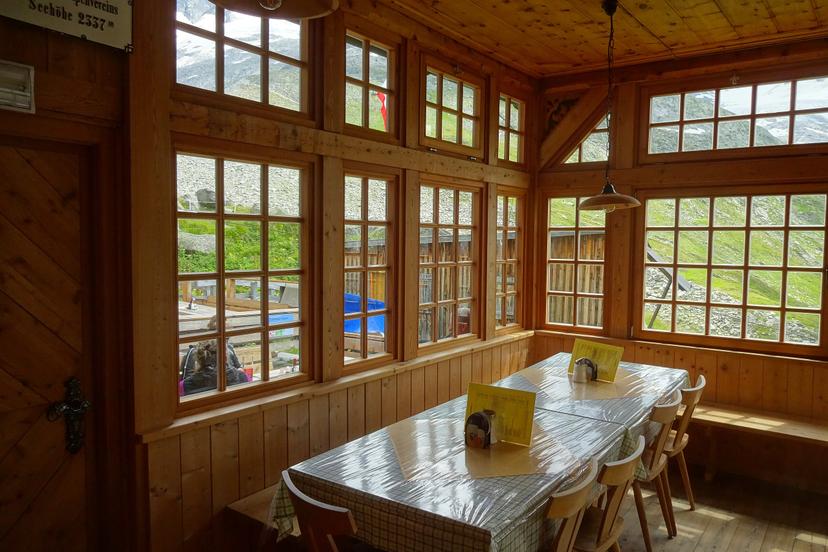
Rustic dining room with light wood paneling, carved chairs, and hanging lamps, likely in an alpine setting.

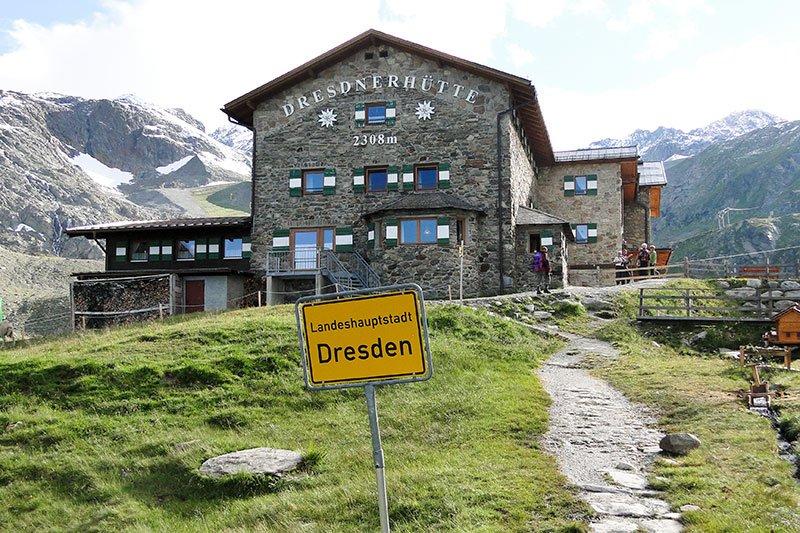
Dresdner Hütte (2,308m)

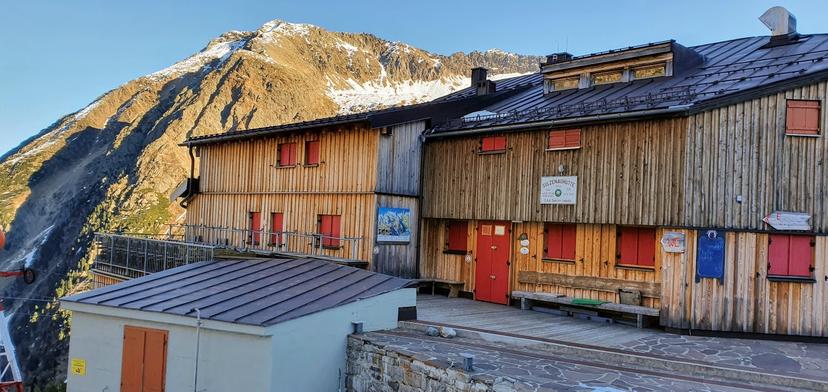
Positioned at the Stubai Valley head with commanding glacier views, Dresdner Hütte serves as the Stubai Höhenweg circuit's central hub. Its spacious terrace provides panoramas across Stubai Glacier and Wilder Freiger massif. Cable car access from Neustift eliminates valley approaches. Modern facilities including reliable showers and comfortable dormitories make it popular for high-altitude positioning without sacrificing comfort. Evening meals showcase traditional Tyrolean cuisine with generous mountain portions.

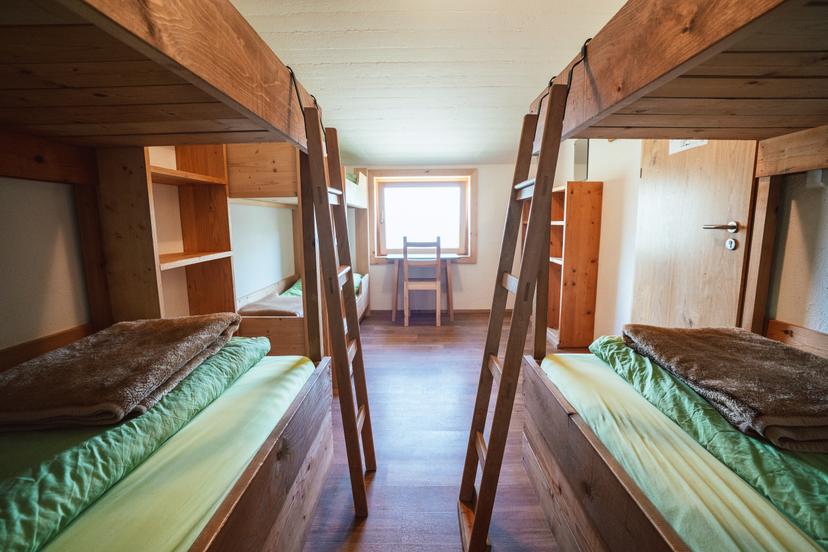
Interior of a wooden bunk room with green bedding, looking toward a window and desk area.
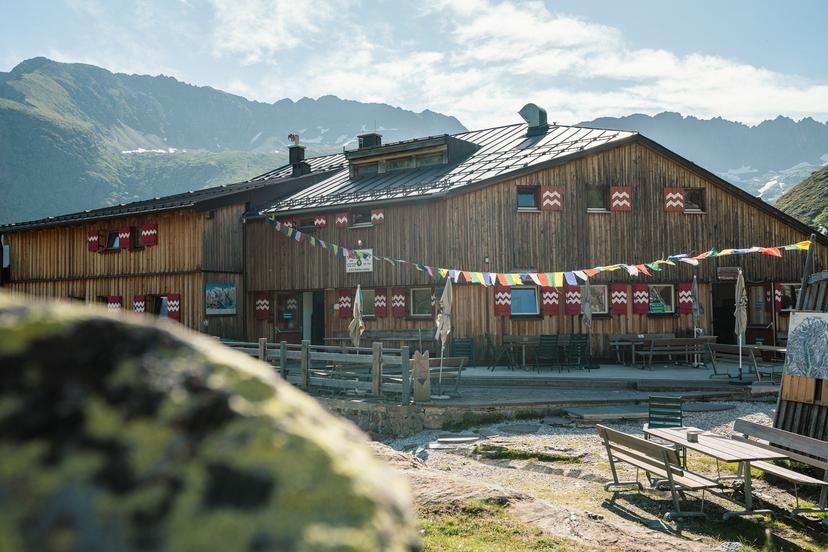
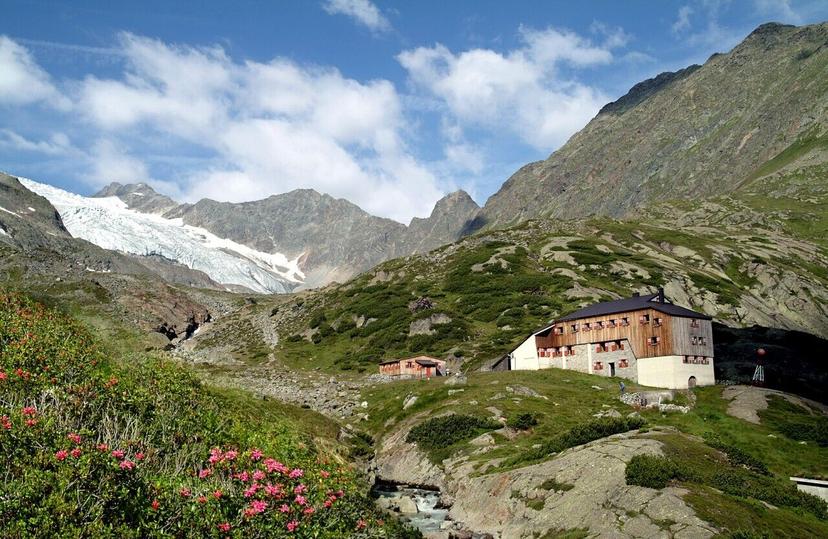
Sulzenauhütte mountain hut below a glacier and rugged peaks with pink alpine flowers.

Sulzenau Hütte (2,191m)

Situated in a dramatic cirque surrounded by glaciated peaks including Wilder Freiger, Sulzenau Hütte offers one of Stubai's most spectacular settings beside a small Alpine lake. Its position provides glacier access for mountaineers while maintaining accessibility for Stubai Höhenweg trekkers. The authentic Alpine atmosphere—wooden interior, friendly staff, communal dining—exemplifies traditional Austrian hospitality. Summer wildflower meadows surrounding the hut burst with color during late June and July.

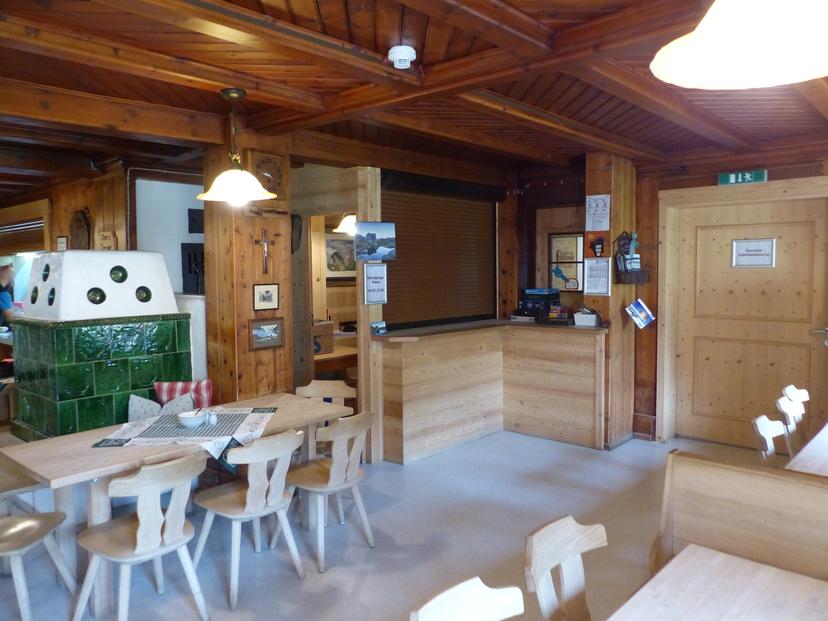
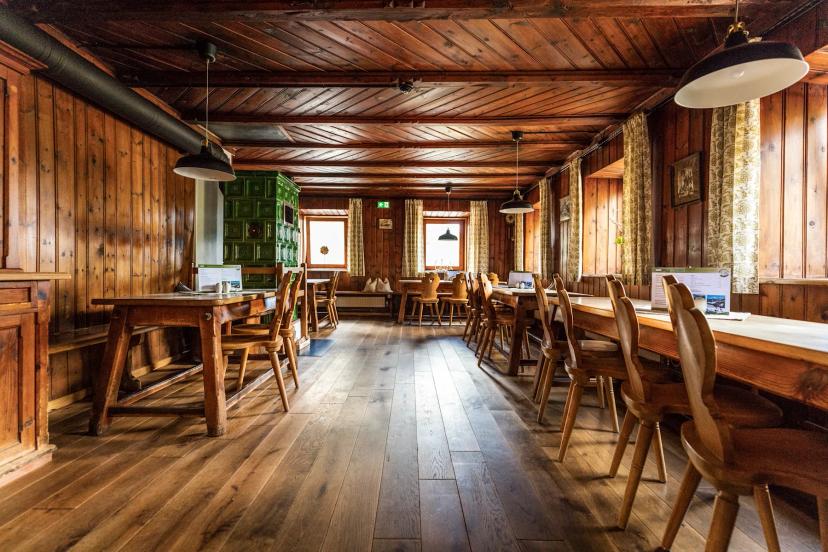
Dining area in Franz-Senn-Hütte with wood paneling and green tiled stove.
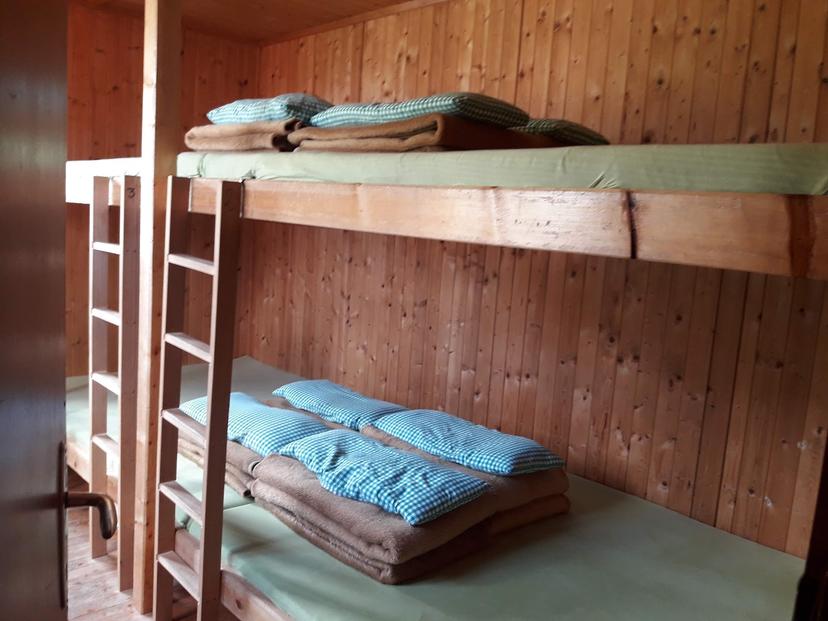
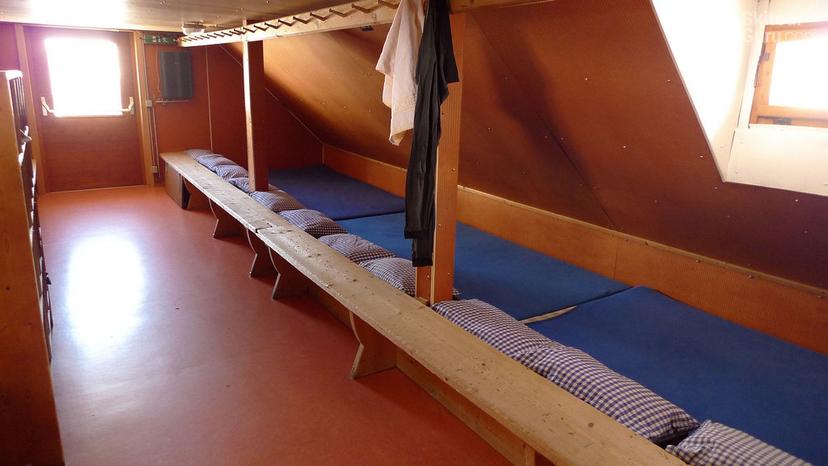
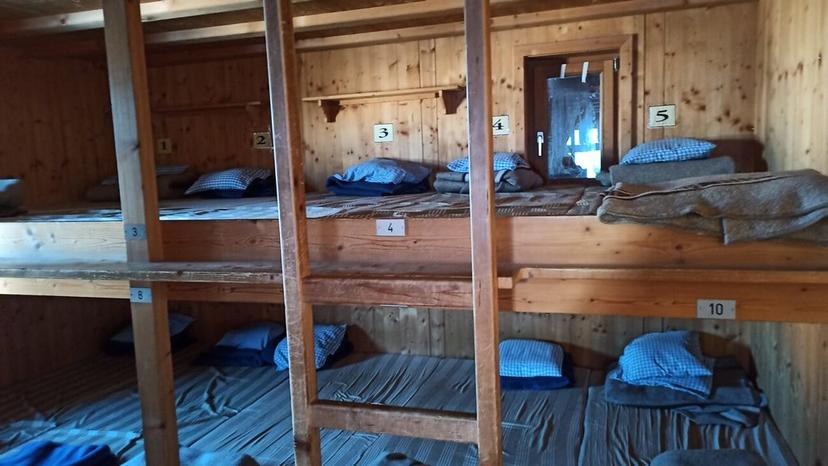
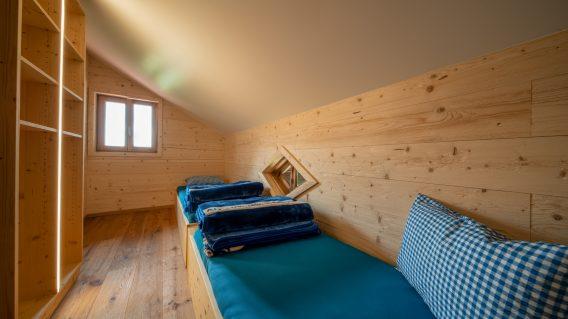
Bunk room interior with wooden benches, blue mattresses, and checkered pillows at Franz Senn Hütte.

Franz-Senn-Hütte (2,147m)

Named after the pioneering alpinist who established organized Austrian mountaineering, Franz-Senn-Hütte maintains exceptional hospitality and cuisine reputation. Its Oberbergtal valley position provides glacier approaches and high passes at moderate elevation for comfortable acclimatization. Famous multi-course dinners featuring homemade soups, hearty mains, and impressive desserts consistently earn praise. The sun terrace captures warm afternoon light, perfect for post-hike relaxation watching alpenglow illuminate surrounding peaks.

2. Ötztal Alps

The Ötztal's mountain huts rank among Austria's highest and most remote, with several above 2,800m providing access to serious high-altitude terrain.

  • Location: Western Tyrol, bordering Italy

  • Hut elevation range: 2,200-3,019m

  • Number of huts: Approximately 15 major huts

  • Best season: July through early September (shorter window due to elevation)

  • Character: Remote, high-altitude refuges requiring committed approaches

  • Notable feature: Contains three of Austria's five highest huts

Explore the Ötztal wilderness from these huts:

Breslauer Hütte (2,844m)

Perched at the Rofenkar cirque edge with Wildspitze—Austria's second-highest peak—rising directly above, Breslauer Hütte serves as the primary Wildspitze summit base. Its elevation makes it one of Austria's highest comfortable refuges with surprisingly modern facilities. Sunset views illuminate glaciated peaks surrounding the hut. Alpine starts for Wildspitze begin around 3-4 AM, creating unique atmosphere as mountaineers prepare in darkness. Staff possess extensive knowledge of glacier conditions and weather patterns.

Ramolhaus (3,006m)

Breaking the 3,000-meter barrier, Ramolhaus sits in rarefied air above Obergurgl as one of Austria's highest accessible huts. The approach gains substantial elevation but rewards with genuinely high-Alpine location—permanent snow patches visible in all directions even in August. It serves as basecamp for multiple 3,000m+ peaks achievable without glacier equipment. Its compact size creates intimate atmosphere where guests naturally interact. Clear nights reveal spectacular star fields rarely visible at lower elevations.

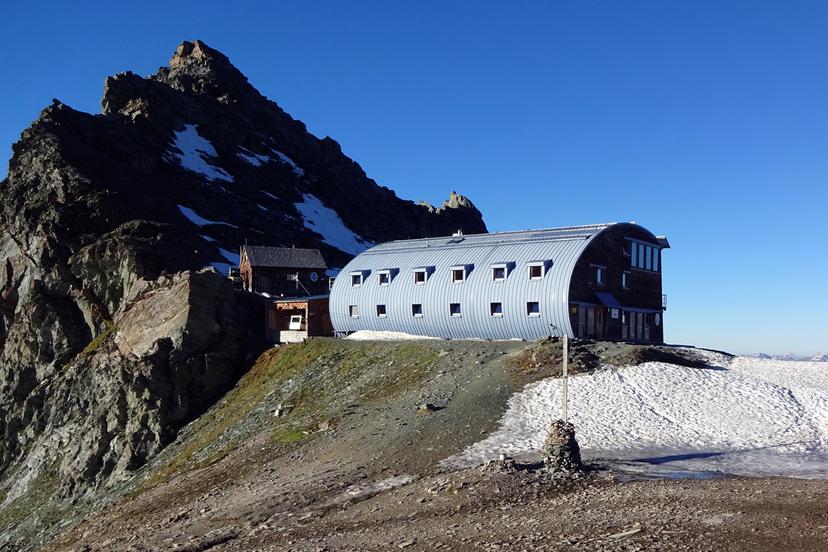
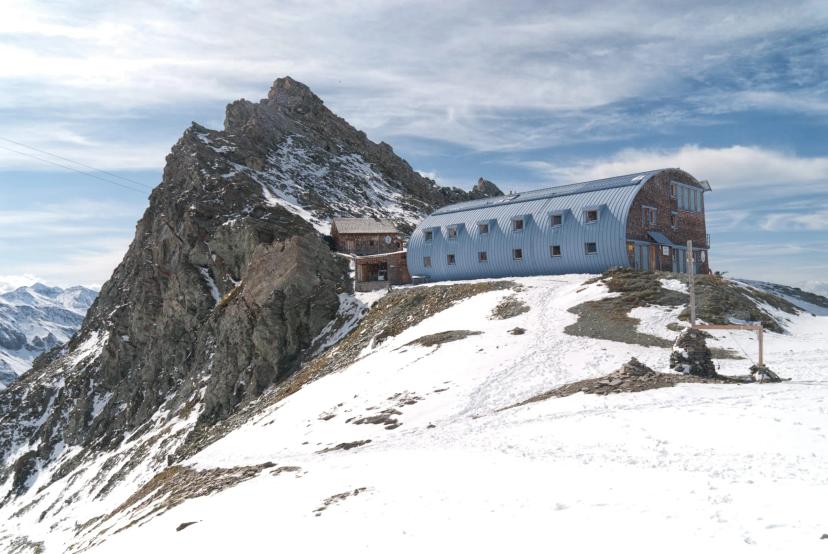
Similaunhütte (3,019m)

Austria's second-highest hut, Similaunhütte occupies a windswept ridge with views extending into Italy's South Tyrol. The location near Ötzi the Iceman's discovery site adds historical significance. Extreme elevation means weather changes rapidly—sunshine can turn to whiteout within an hour. Its Austrian-Italian border position creates unique cultural atmosphere with both influences apparent in cuisine and clientele. The final approach crosses exposed terrain requiring sure-footedness, filtering casual visitors and creating a community of serious enthusiasts.

3. Hohe Tauern & Grossglockner Region

The Hohe Tauern's huts provide access to Austria's highest peaks and most extensive glaciers, with refuges throughout the national park offering front-row seats to dramatic Alpine scenery.

  • Location: Spans Carinthia, Salzburg, and East Tyrol

  • Hut elevation range: 2,200-3,454m

  • Number of huts: Over 25 within national park boundaries

  • Best season: Late June through mid-September

  • Character: National park wilderness with mix of accessible and remote huts

  • Notable feature: Home to Erzherzog-Johann-Hütte, Austria's highest hut at 3,454m

For comprehensive planning guidance, see our Ultimate Guide to Hut-to-Hut Hiking in Austria.

Hike the Hohe Tauern:

Erzherzog-Johann-Hütte (3,454m)

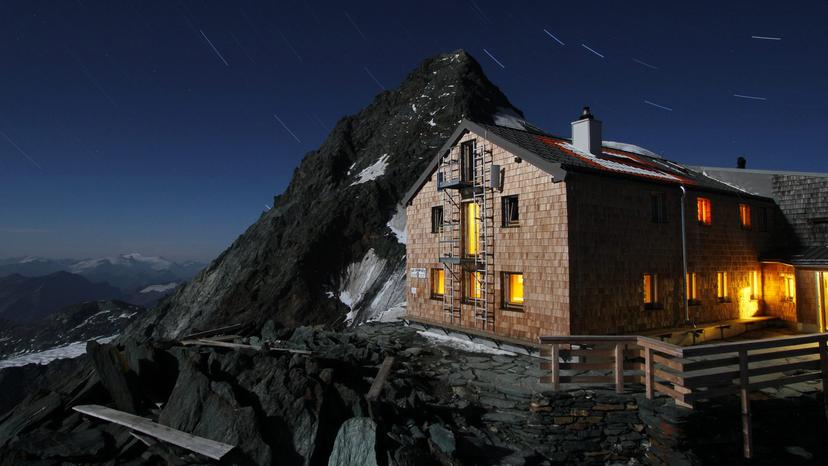
Austria's highest hut sits just below Grossglockner summit, serving as final basecamp for the country's most coveted peak. The location is extraordinary—perched on Adlersruhe ridge with Pasterze Glacier below and summit pyramid above. Staying here means true high-altitude conditions: thin air, freezing temperatures even in summer, and rapidly developing weather. Alpine starts for Grossglockner begin around 2-3 AM with headlamps ascending the Stüdlgrat ridge. The hut's compact size and extreme position create intense camaraderie among guests.

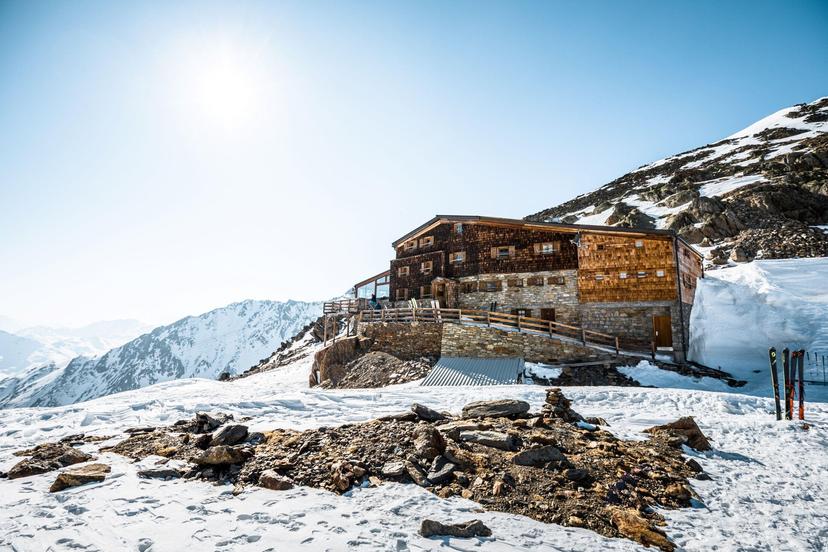
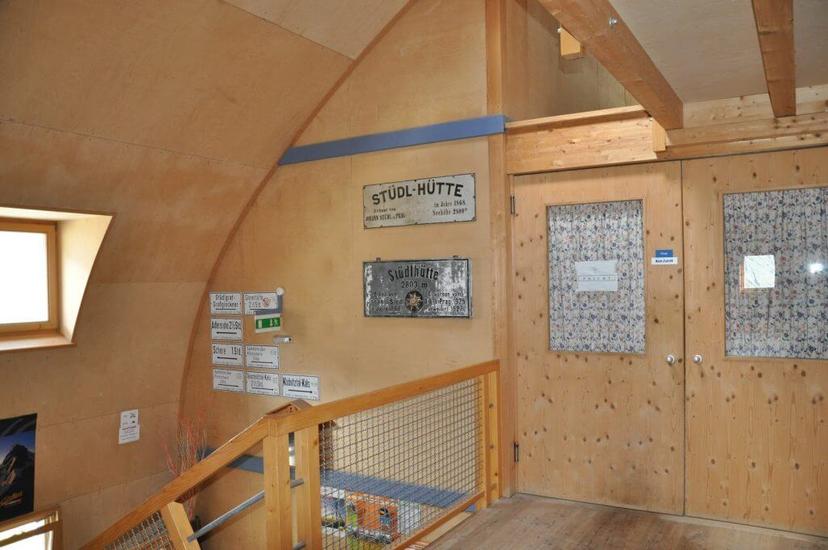
Snowbound Stüdlhütte in the alps, Austria

Stüdlhütte (2,802m)

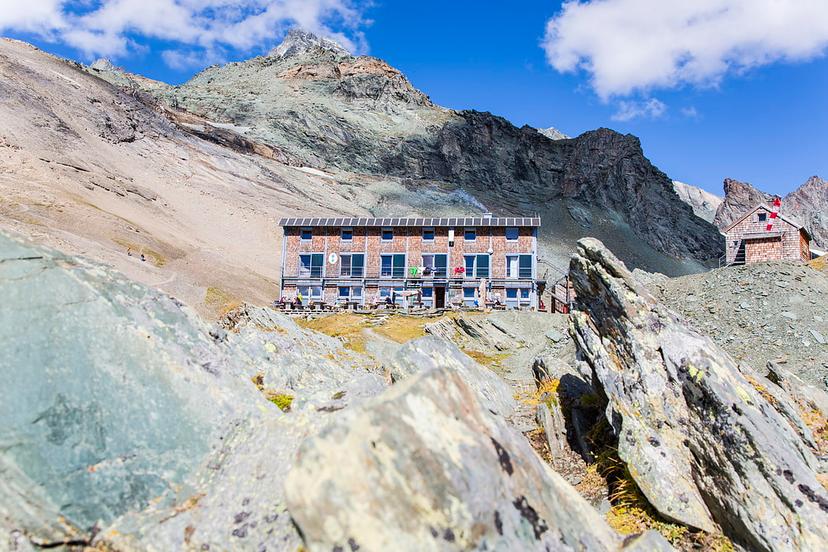
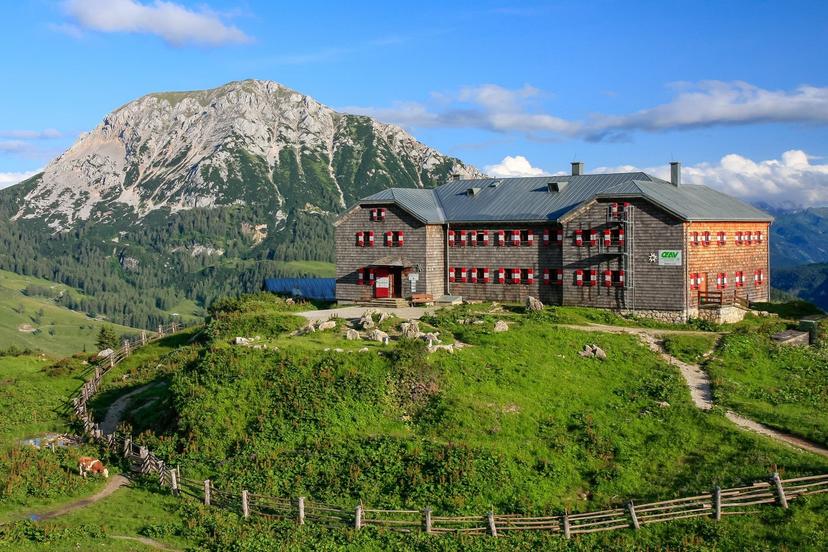
Positioned on the Grossglockner approach, Stüdlhütte serves as the primary acclimatization stop for summit attempts. The terrace provides unobstructed views of Grossglockner's north face and Pasterze Glacier—Austria's longest ice field stretching 8 kilometers below. Its elevation creates serious mountain atmosphere while maintaining accessibility for strong hikers without technical skills. Staff's extensive Grossglockner experience makes them invaluable for route conditions, weather windows, and realistic assessment. Evening alpenglow on the Grossglockner summit from the terrace ranks among Austria's finest mountain moments.

Rudolfshütte (2,315m)

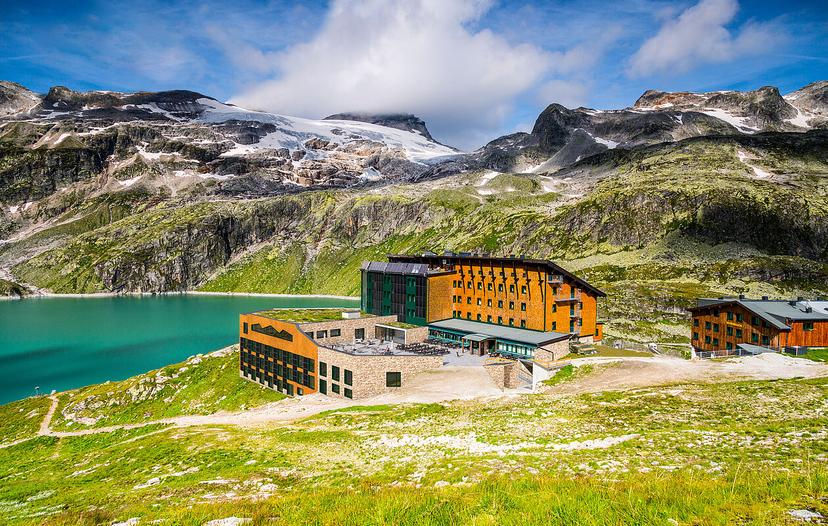
Situated on Weißsee reservoir shore with Hohe Tauern's glaciated peaks reflected in its waters, Rudolfshütte combines spectacular positioning with surprisingly comfortable facilities. The location makes it accessible for families and less experienced hikers while providing staging for serious Alpine objectives. Its national park core position means wildlife sightings—chamois, ibex, marmots—are common during early morning and evening. The hut operates a small mountain museum showcasing regional Alpine history. Larger capacity creates lively atmosphere with diverse clientele from casual hikers to technical climbers.

4. Karwendel & Northern Limestone Alps

The Karwendel's huts sit amid dramatic limestone landscapes north of Innsbruck, with refuges on cliff edges, in cirques, and along ridges providing distinctly different character from glaciated Central Alps.

  • Location: Northern Tyrol, extending to Bavarian border

  • Hut elevation range: 1,600-2,500m

  • Number of huts: Approximately 18 across the range

  • Best season: June through early October (longer than high Alpine regions)

  • Character: Limestone ridge huts with dramatic positioning

  • Notable feature: Several huts accessible directly from Innsbruck via cable car

Consider these on your Karwendel trek:

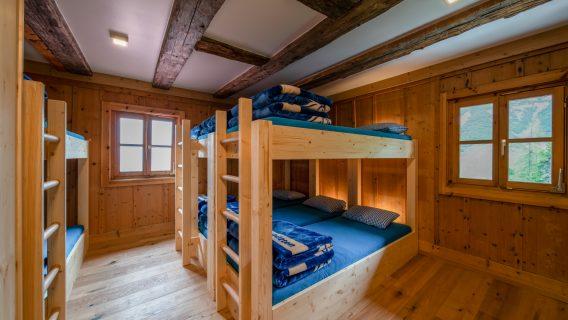
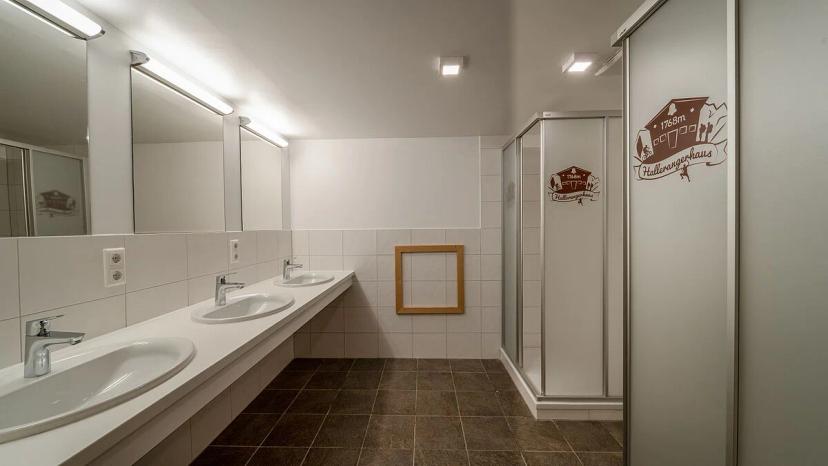
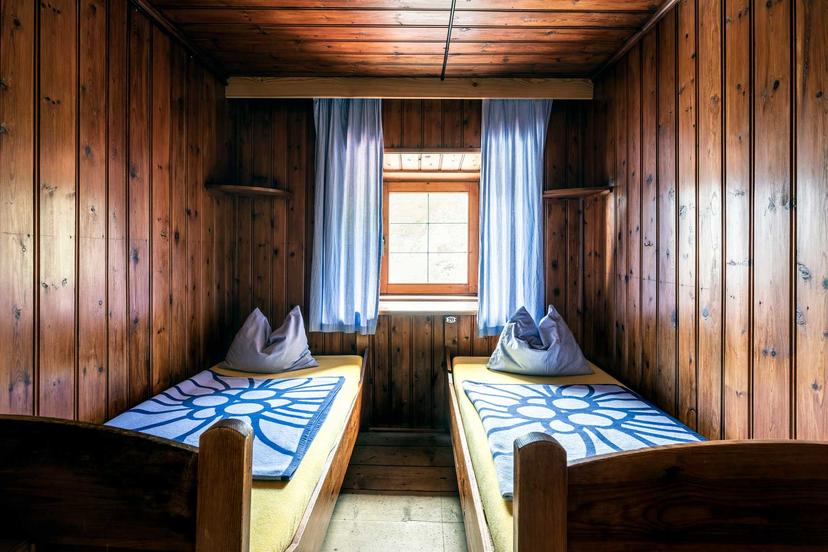
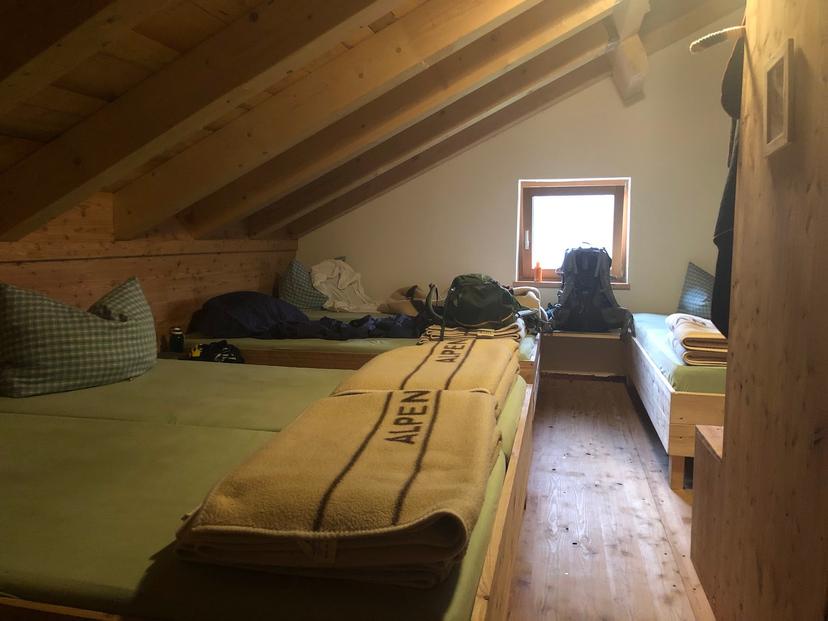
Bunk beds in a rustic wooden room with exposed beams, Hallerangerhaus.
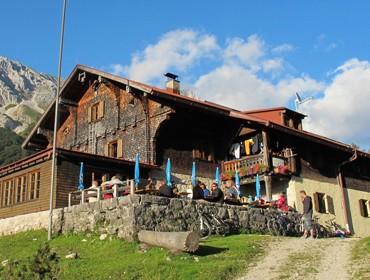
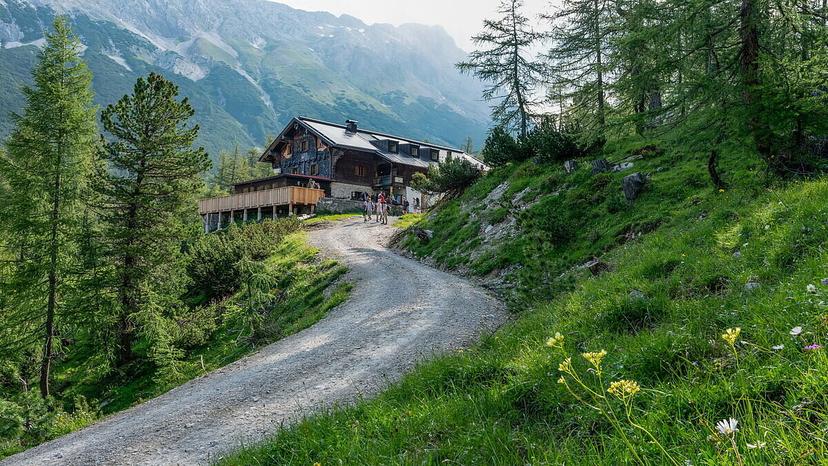
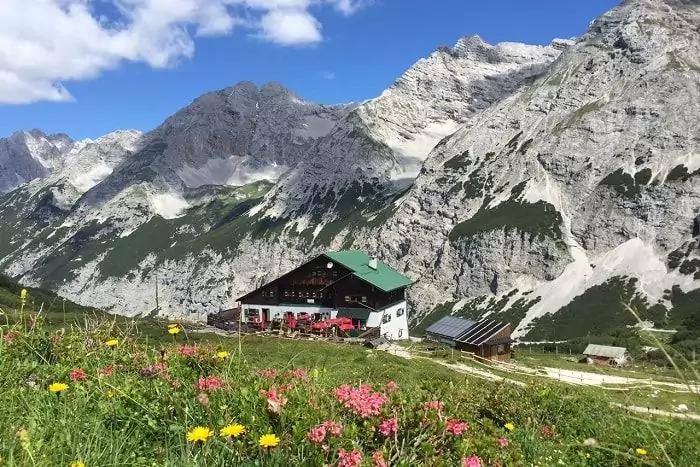
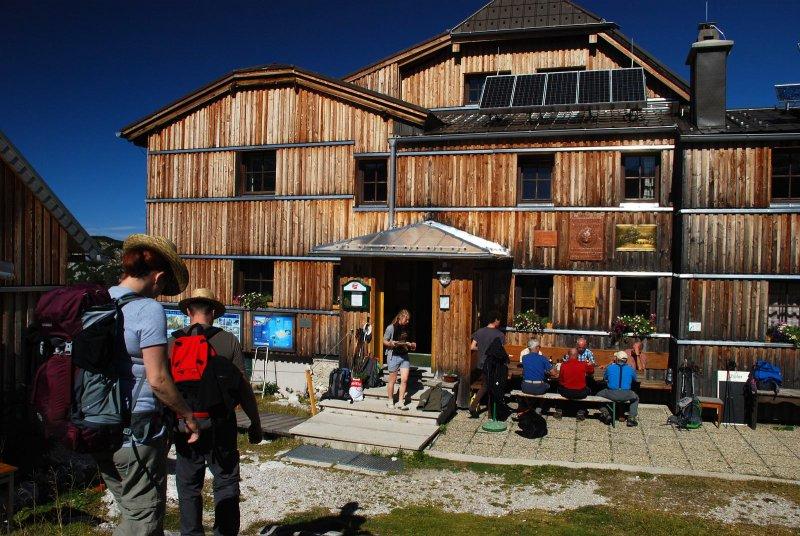
Hallerangerhaus mountain hut with outdoor terrace dining and bicycles parked nearby.

Hallerangerhaus (1,768m)

Positioned in Karwendel Nature Park heart, Hallerangerhaus sits at comfortable elevation ideal for families while delivering authentic mountain atmosphere. The location in a broad valley surrounded by dramatic limestone peaks provides spectacular scenery without extreme approaches. Its moderate elevation means wildflower displays during June-July are exceptionally vibrant. Staff's knowledge of local wildlife—including possible lynx sightings—adds educational interest. Evening light on pale limestone walls creates dramatic photography contrasts.

Lamsenjochhütte (1,953m)

Perched on Lamsenjoch saddle with commanding Inn Valley views toward Stubai Alps, Lamsenjochhütte occupies one of Karwendel's most photogenic positions. The exposed ridge location means weather impacts are immediate and dramatic—clouds rolling through create atmospheric conditions changing minute by minute. Its Adlerweg route position means consistent long-distance trekker traffic, creating social atmosphere with shared experiences. Sunrise views watching first light illuminate Stubai Glacier across the valley justify early wake-ups.

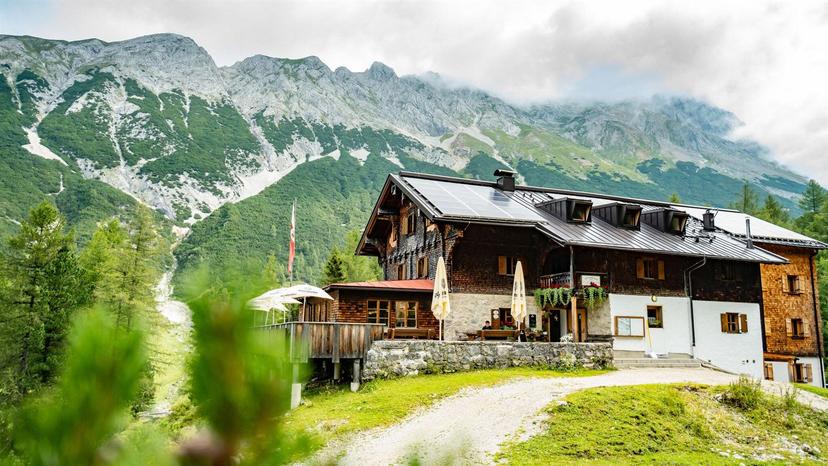
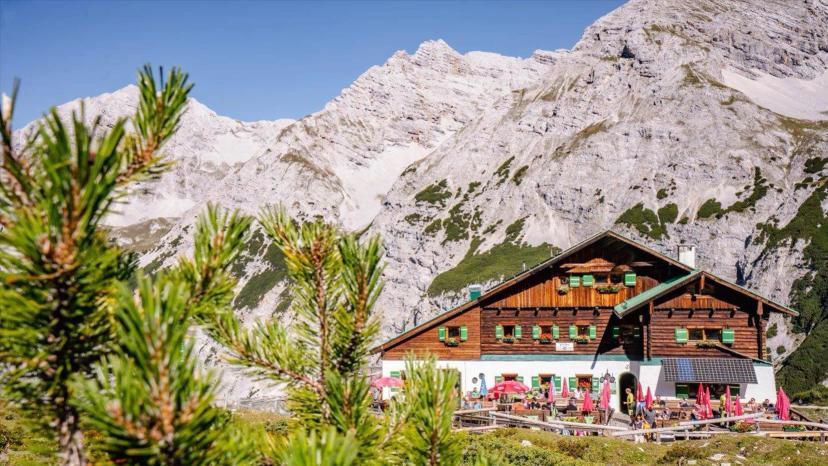
Alpine hut with outdoor dining below towering, rocky mountains, seen through pine branches. Pfeishütte ENA.
Alpine hut with green roof nestled below rugged, rocky mountains and summer wildflowers.

Pfeishütte (1,922m)

Situated below dramatic Bettelwurf peaks with Karwendel plateau views, Pfeishütte offers peaceful atmosphere away from busier Innsbruck-proximate routes. The position provides access to both gentle ridge walks and challenging scrambles, making it versatile for mixed-ability groups. Reputation for exceptional food—the keeper's cooking passion evident in creative menu variations—attracts hikers seeking good mountain cuisine. Relatively moderate approach from Hall in Tirol makes it achievable as a first multi-day hut experience. Wildlife, particularly chamois on surrounding cliffs, is commonly visible from the terrace.

5. Zillertal Alps

The Zillertal's huts maintain reputation for traditional Austrian hospitality combined with spectacular positioning along the Austro-Italian border ridge.

  • Location: Eastern Tyrol and Salzburg border region

  • Hut elevation range: 2,000-2,800m

  • Number of huts: Approximately 12 major huts

  • Best season: Late June through mid-September

  • Character: Traditional Austrian hut culture with remote valley approaches

  • Notable feature: Several huts sit directly on Austrian-Italian border with bilingual atmospheres

Trek through Zillertal and stay in the following:

Berliner Hütte (2,042m)

The Zillertal's most famous hut, Berliner Hütte combines impressive capacity (sleeping over 100) with location at multiple valley junctions providing access in all directions. Its long history—built in 1879—permeates atmosphere with historical photographs and mountaineering artifacts decorating dining rooms. Position makes it the natural Berliner Höhenweg circuit gathering point, meaning evening meals buzz with hikers swapping route information. The hut operates with impressive efficiency despite scale. Morning Schwarzenstein massif views, particularly when fresh snow dusts peaks even in August, provide spectacular wake-up scenes.

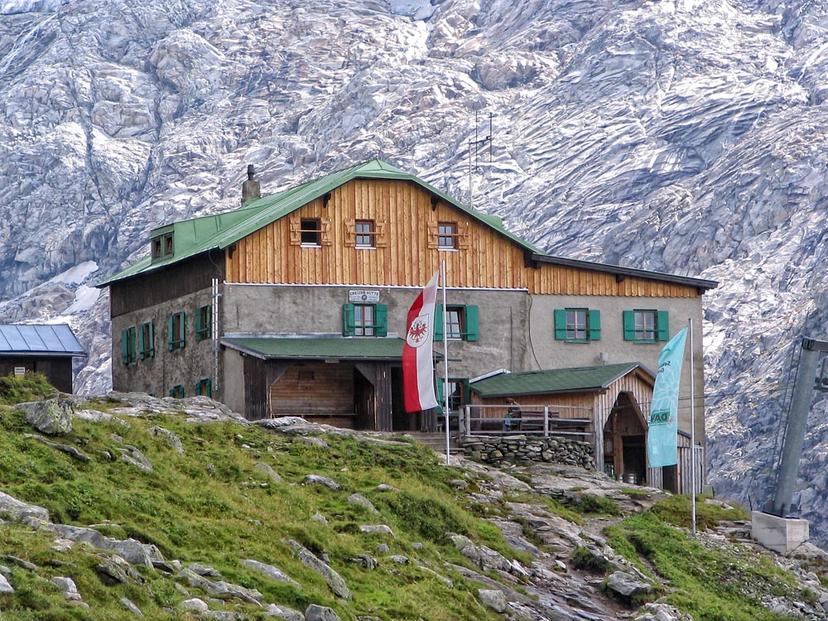
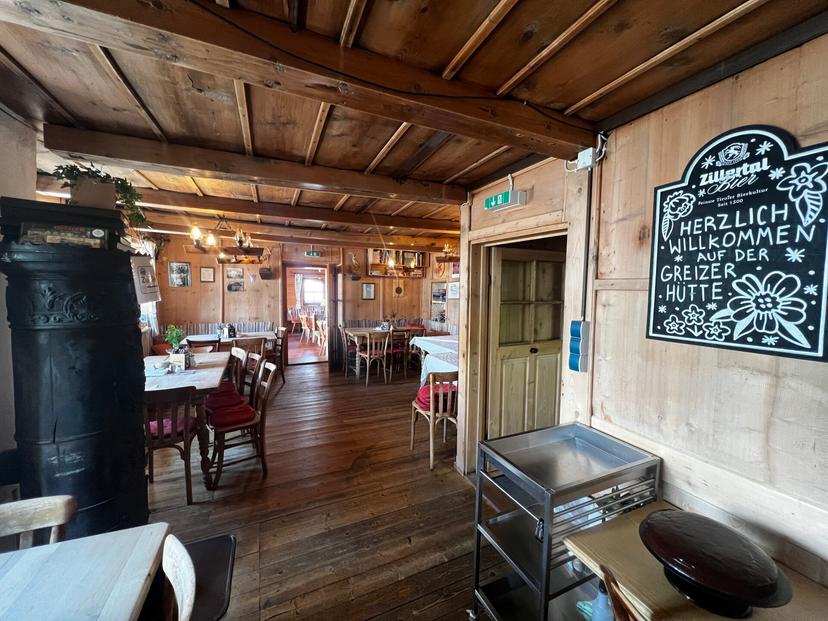
Greizer Hütte (2,227m)

Positioned at Zamsertal head with glaciated Hoher Riffler rising directly behind, Greizer Hütte occupies a dramatic cirque surrounded by ice and rock. The moderate size strikes ideal balance between social atmosphere and intimacy. Its location provides glacier approach staging for equipped mountaineers while offering accessible ridge walks for hikers. Sunset views from the terrace watching alpenglow develop on surrounding peaks as shadows fill valleys rank among Zillertal's finest moments. Traditional Tyrolean music occasionally accompanies dinners, adding cultural richness.

Furtschaglhaus (2,295m)

Sitting high above Schlegeis reservoir with panoramic dam and peak views, Furtschaglhaus combines accessibility—cable car and road access available—with genuine high-mountain positioning. The location makes it popular as a first-night staging point before heading deeper into the range. The terrace captures afternoon sun late into evening, creating warm, pleasant conditions even at 2,300m. Modern facilities including reliable showers make it ideal for hikers transitioning from valley hotels to rustic mountain huts. Views of artificial Schlegeis reservoir far below create interesting juxtaposition between human engineering and wild landscape.

6. Dachstein & Salzkammergut Region

The Dachstein region's huts range from accessible lake-district refuges to high limestone huts perched dramatically on cliff edges, offering Austria's broadest accommodation spectrum within a single region.

  • Location: Border of Salzburg, Styria, and Upper Austria

  • Hut elevation range: 1,400-2,700m

  • Number of huts: Over 20 spanning lake district and high Dachstein

  • Best season: May through October (longer due to elevation range)

  • Character: Diverse hut types from gentle lakeside lodges to exposed limestone refuges

  • Notable feature: Only region combining Alpine peaks with mountain lake scenery

Experience the Dachstein region with the comfort of these refuges:

Simony Hütte (2,206m)

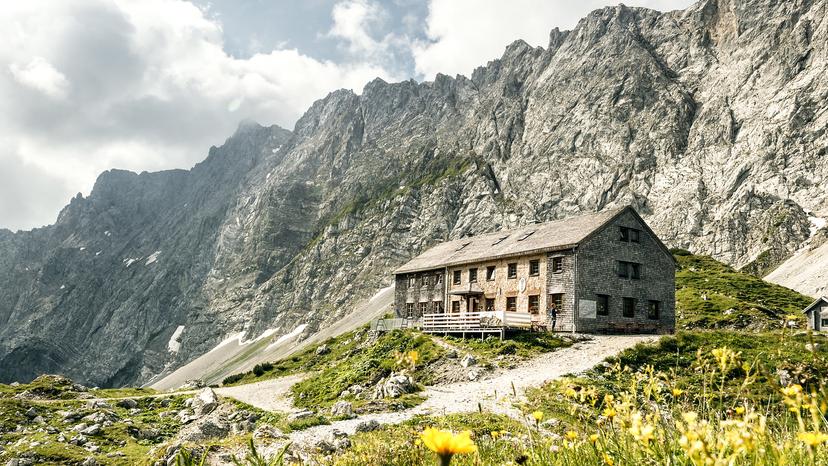
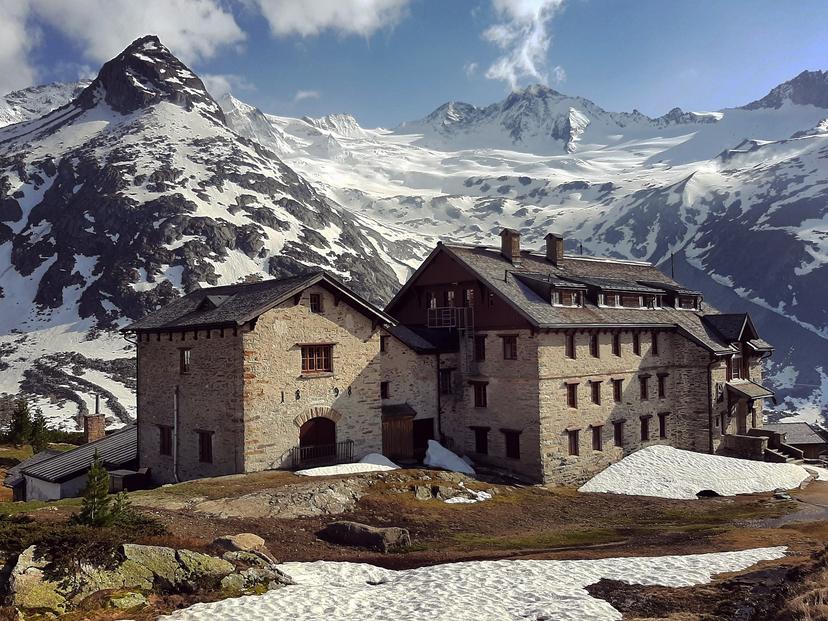
Perched on Dachstein plateau with the glacier and Austria's highest via ferrata routes nearby, Simony Hütte occupies unique positioning at the interface between hiking terrain and technical mountaineering objectives. Stone construction and exposed location create fortress-like appearance appropriate to the serious environment. Weather changes with remarkable speed—clear mornings can transform into whiteout snowstorms within hours even in summer. History dating to 1877 makes it one of Austria's oldest continuously operating refuges.

Hofpürglhütte
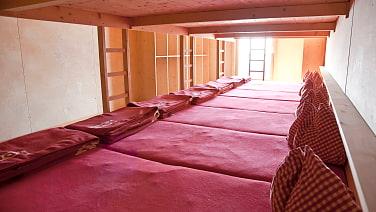
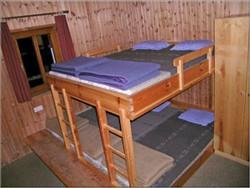
Wooden bunk beds with purple blankets inside a room with wood-paneled walls.

Hofpürglhütte (1,705m)

Situated in a protected cirque below Dachstein's south face, Hofpürglhütte provides comfortable staging for multiple routes while maintaining peaceful, away-from-it-all atmosphere. Moderate elevation makes it accessible for families and less experienced hikers. The famous Dachstein south face—a 1,000-meter limestone wall—dominates terrace views, creating dramatic meal backdrop. Wildlife including chamois and marmots frequent surrounding meadows during early morning and evening hours.

Wiesberghaus (1,884m)

Positioned in Gosau Valley with Gosausee lakes and Dachstein massif views, Wiesberghaus combines mountain refuge atmosphere with remarkable accessibility. The hut sits on Dachstein circuit while providing access for valley day hikers, creating diverse clientele from serious trekkers to families on first hut experiences. Location in transition zone between forests and Alpine terrain means exceptional botanical diversity. The position offers both sunrise views over Gosau lakes and sunset alpenglow on Dachstein peaks—rare dual-aspect scenery.

Planning Your Mountain Hut Adventure

Booking Timeline: Peak season (July-August) requires booking 3-5 months in advance for popular routes. Shoulder season (June, September) allows 6-8 weeks ahead with good availability.

Budget: Mountain huts charge approximately €60-90 per person per night for half-board (dinner and breakfast). The half-board system often costs less than valley hotels plus restaurant meals.

Austrian Alpine Club Membership: Provides 30-50% discounts on hut fees, priority booking, and mountain rescue insurance. Pays for itself within 3-4 nights.
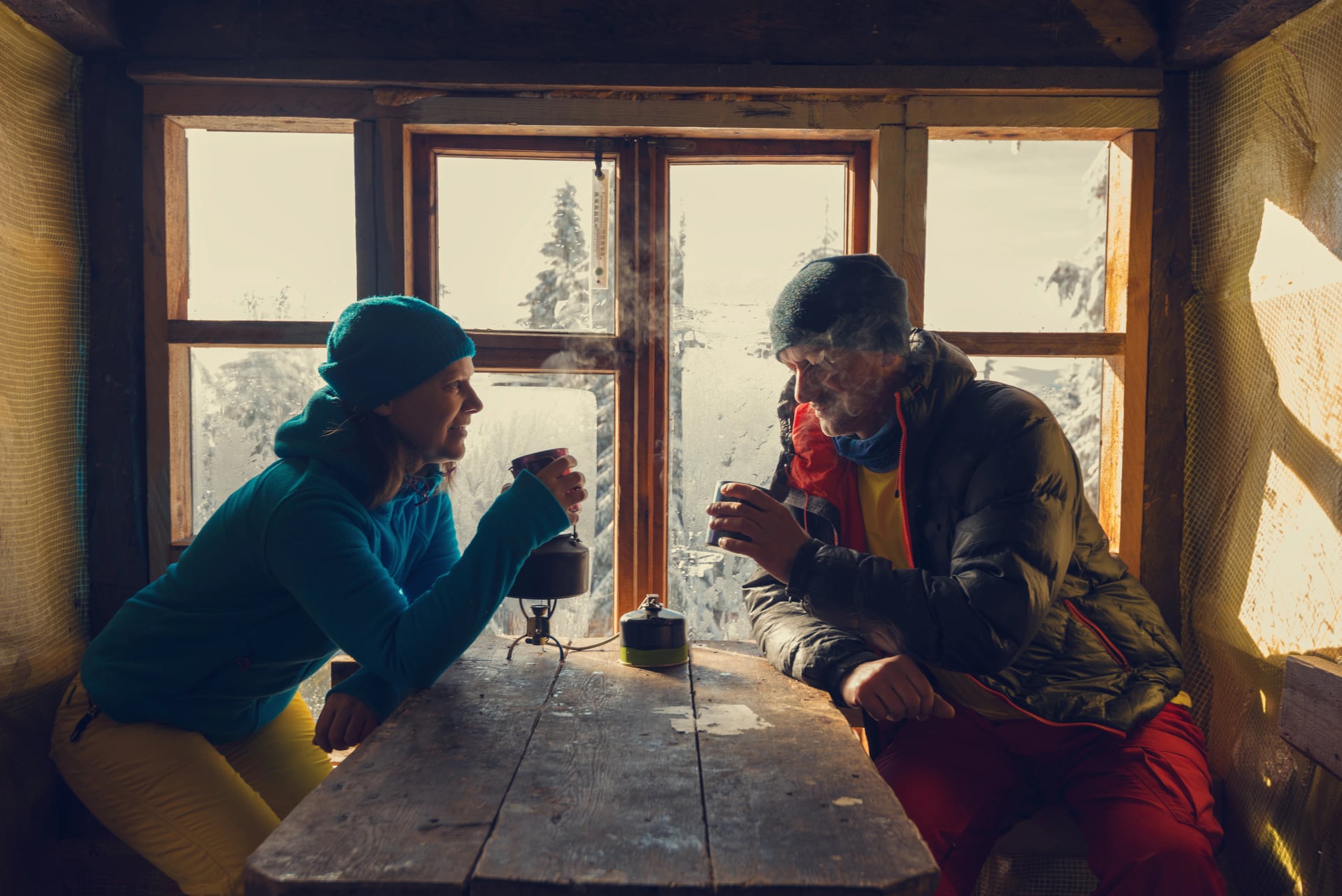
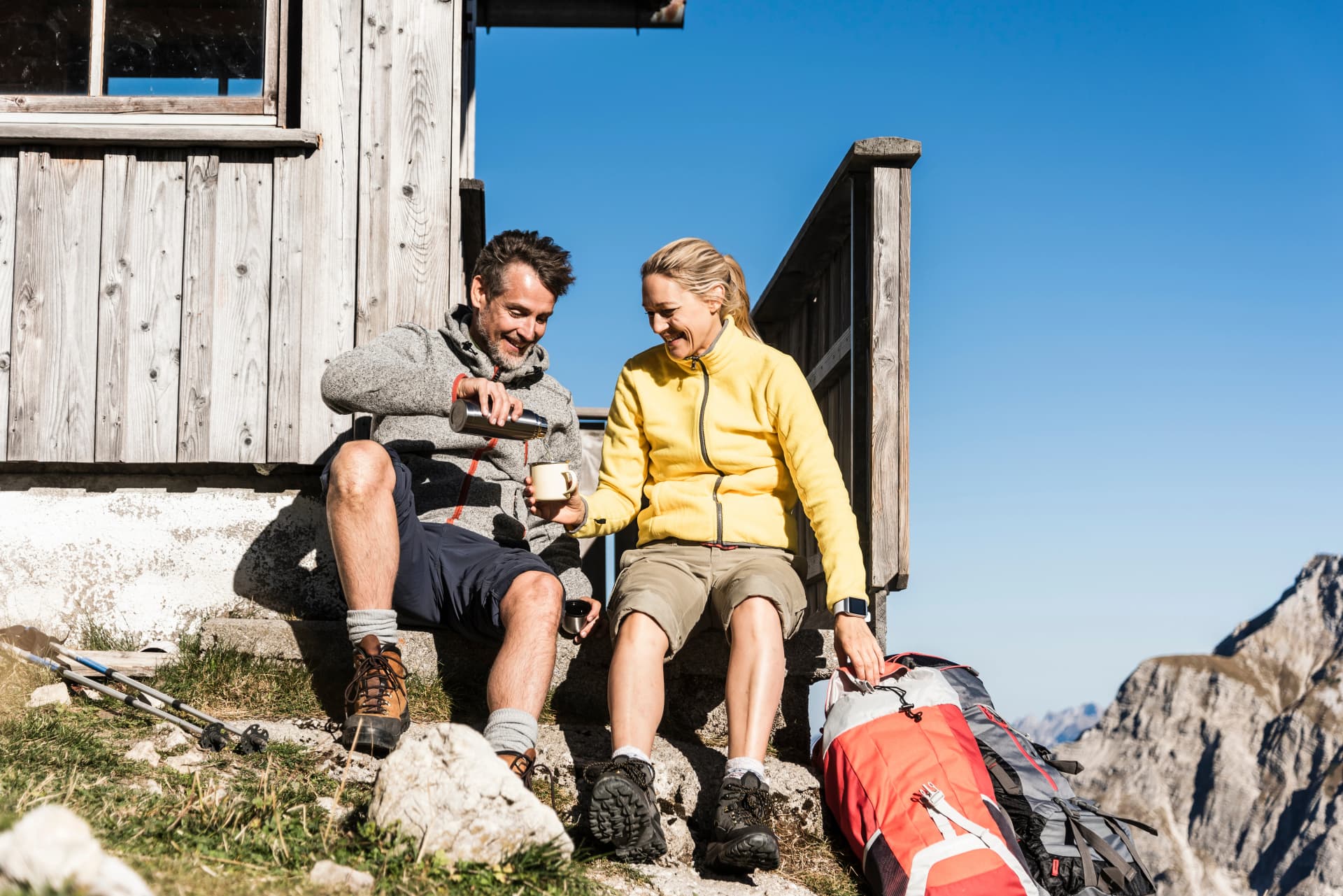
Happy couple of travelers is drinking coffee
Warm meals, shared tables, and the kind of evenings that make early starts easy

What to Expect:

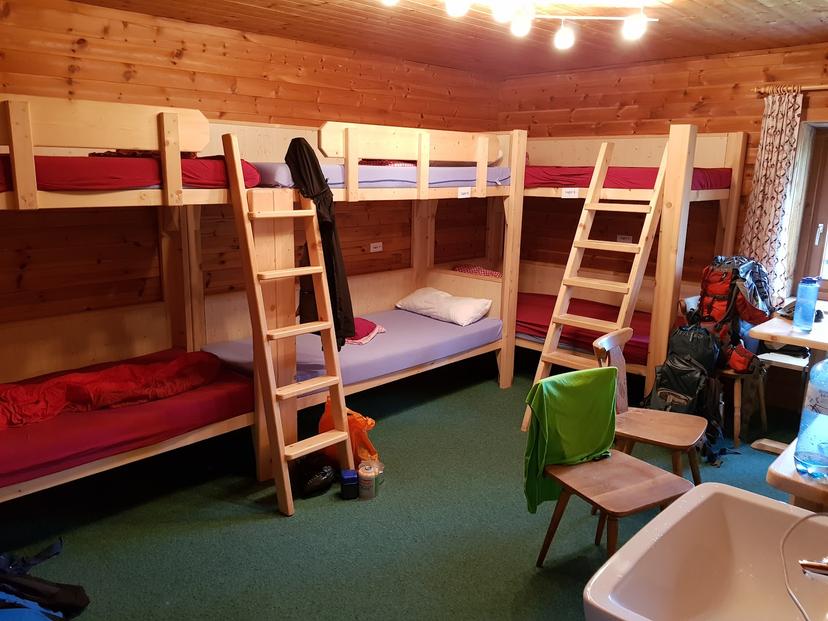
  • Dormitory sleeping (6-20+ beds per room)

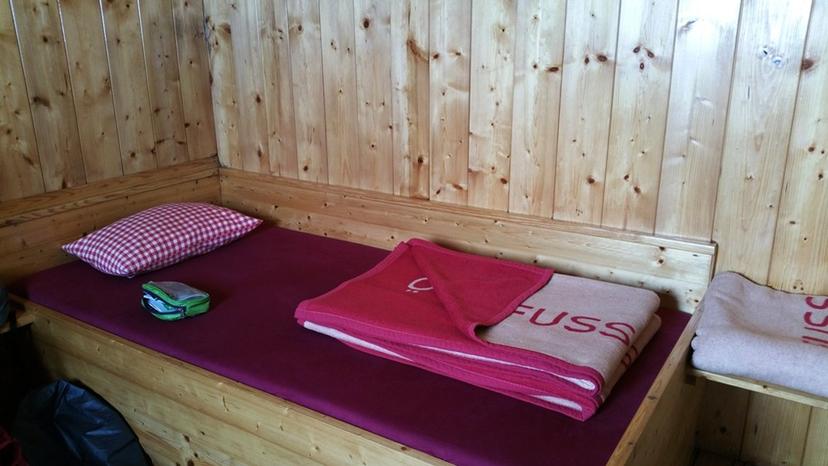
  • Blankets and pillows provided—bring mandatory sleeping bag liner

  • Shared bathrooms, limited showers (€3-5 when available)

  • Multi-course dinners and hearty breakfasts

  • Social atmosphere with communal dining

  • Quiet hours after 10 PM strictly observed

Our tours handle all mountain hut bookings, coordinate with hut keepers, provide GPS tracks, and ensure guaranteed beds every night. If you are feeling like setting off on a challenging trek- we have curated the top-5 treks in austria.
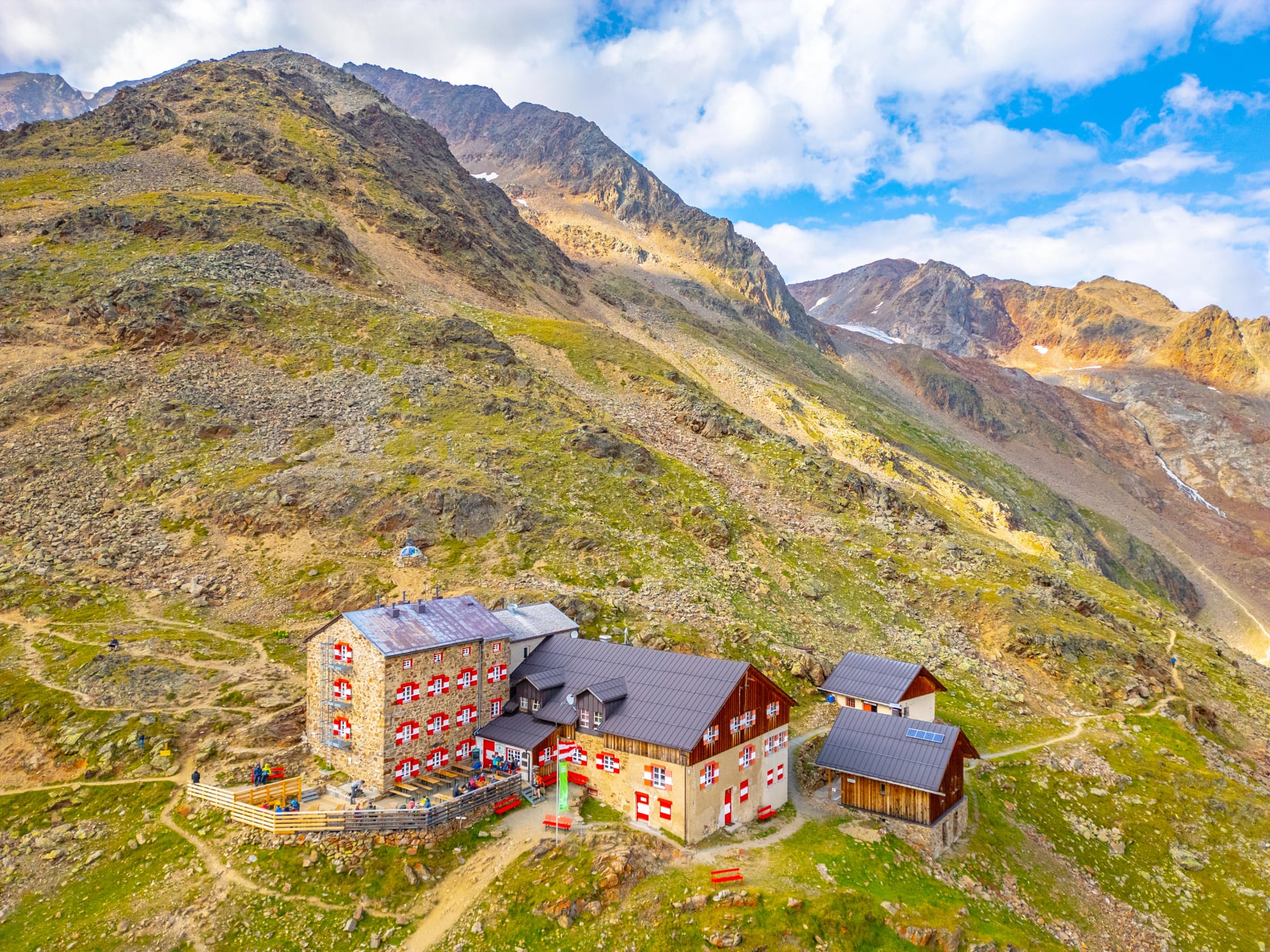
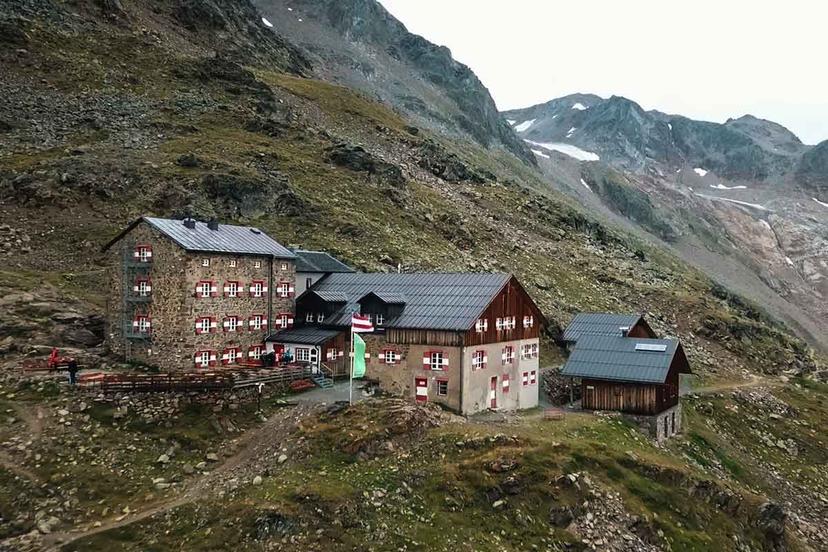
Nestled in the breathtaking Otztal Alps, Breslauer Hut provides a perfect resting spot for hikers and adventurers. The majestic peaks and colorful landscape enhance the beauty of this alpine refuge.
Warm meals, shared tables, and the kind of evenings that make early starts easy

Choosing Your Accommodation Style

Choose valley hotels if: You prioritize private rooms and comfort, you're traveling with family, you want daily flexibility, or you prefer day hikes over point-to-point treks.

Choose mountain hut trekking if: You want complete Alpine immersion, you're comfortable with dormitory sleeping, you seek social mountain meals, you're tackling established multi-day routes, or you value authentic experiences over luxury.

Combine both if: You have 7-10+ days, want comfort at start and end with adventure in middle, or you're testing hut-to-hut trekking before full commitment.

Uncertain which approach suits you? Get in touch and we'll help plan the perfect itinerary based on your preferences and fitness level.
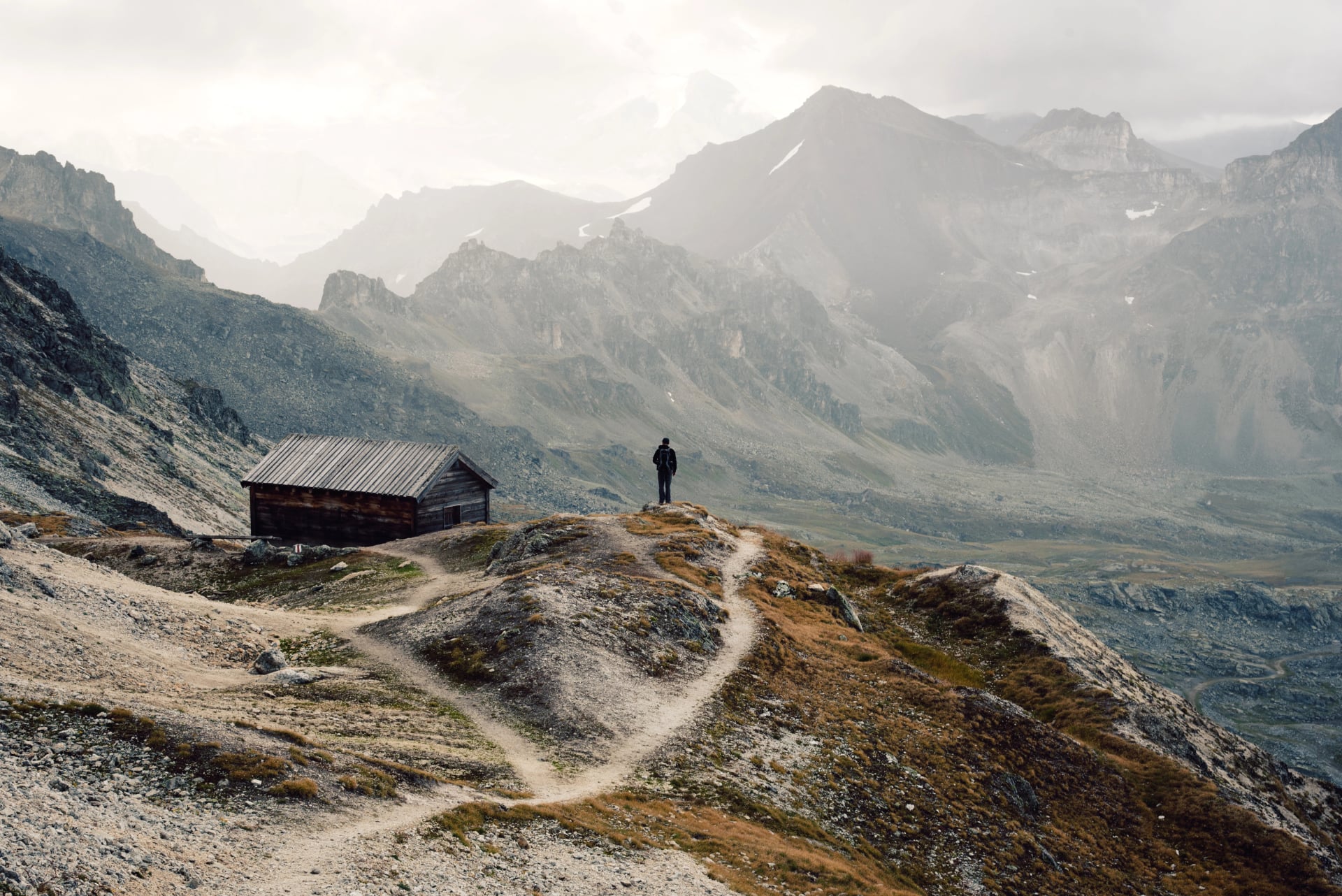
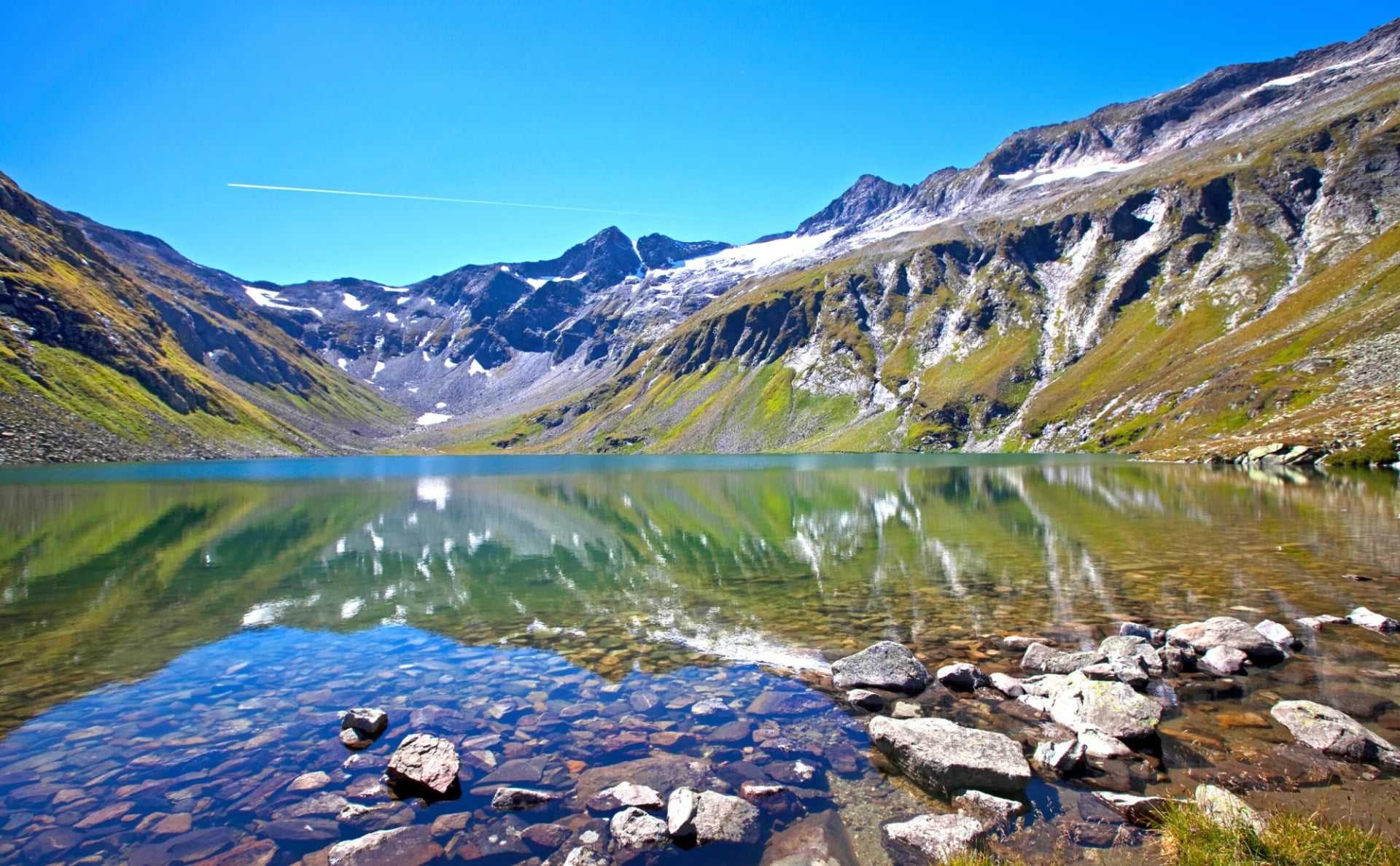
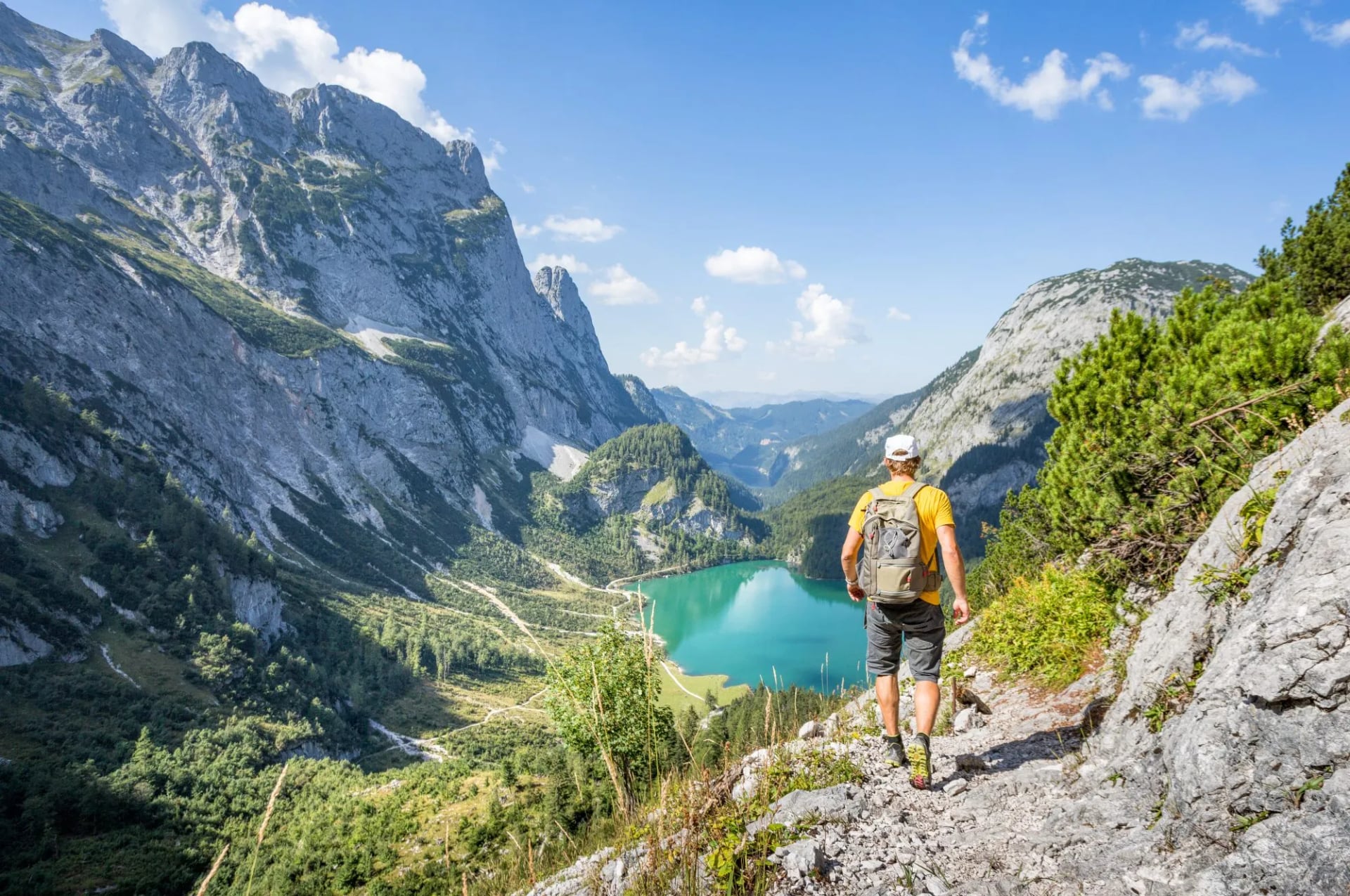
View of beautiful moody landscape in the Alps.
Need assistance booking your huts? Our team will make planning hassle-free. Reach out!

Pick Your Stays Now

Austria's mountain huts represent over a century of Alpine tradition—authentic refuges in spectacular locations accessible only on foot. From comfortable low-altitude lodges to serious high-mountain refuges above 3,000m, Austria's hut system accommodates every ambition.

Browse all Austria hiking tours or schedule a consultation to design your perfect Alpine adventure and decide what fits you best.

The huts are waiting—your Alpine journey begins here!

A young woman with a big hiking backpack walking on a wide pathway in a valley. Beauty of the nature. Lush green grass and trees overgrowing the meadow. Spring in the Alps.
Top 5 Treks in Austria: Expert Picks

Explore Austria’s top trekking routes, from iconic high Alpine circuits to remote wilderness hikes, with expert insights on difficulty, seasons, and highlights

7 min read

Read more
Peaks and rocks scenery in Totes Gebirge (Alps, Austria)
Best Peaks to Visit When Hiking in Austria

From non-technical Alpine hikes to via ferrata and glaciated summits, explore Austria’s best peaks by difficulty and region.
5 min read

Read more
Nationalpark Hohe Tauern / Österreich
Best National Parks for Hiking in Austria

Explore Austria’s six national parks protecting over 2,300 square kilometers of Alpine wilderness and river gorges, with outstanding hiking experiences

7 min read

Read more
Alpine hut in the Austrian mountains
Top 5 Hut-to-Hut Hikes in Austria

Experience Austria’s finest hut-to-hut hikes with routes that balance challenge and comfort, delivering real Alpine trekking without technical mountaineering

9 min read

Read more